Can You Recycle LED Bulbs Safely

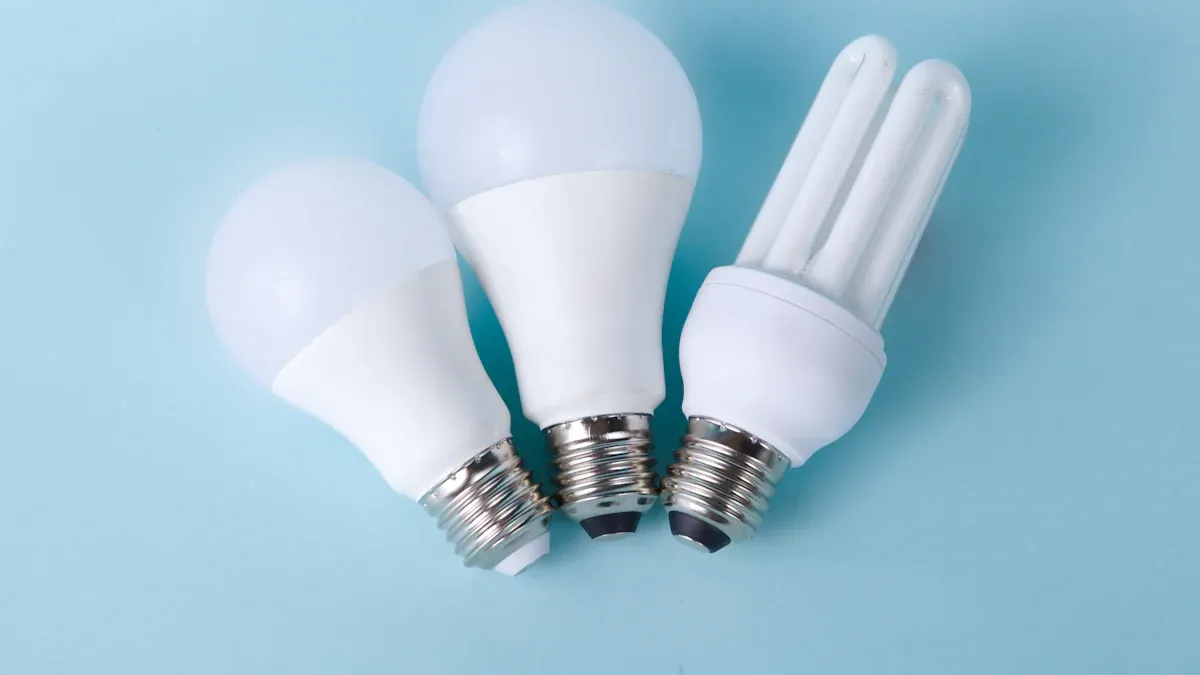
Yes, LED Bulbs Recyclable options are available, but you should not throw them in your Home trash bin. Recycling LED bulbs is important for community safety and helps you follow local regulations. These bulbs are considered e-waste because they contain some hazardous materials. By choosing to recycle, you help conserve valuable metals and glass, and you prevent toxins from contaminating soil and water. Recycling also reduces greenhouse gas emissions. If you care about us, want to learn more About Us, or are interested in our Product and the future of Led Light, always choose to recycle every bulb.
Key Takeaways
Recycling LED bulbs is important for safety and the environment. It stops dangerous stuff from getting into soil and water.
LED bulbs have useful things like gold, silver, and copper. Recycling saves these materials and means less mining is needed.
Always get LED bulbs ready for recycling by looking for damage and wearing safety gear. Be careful with broken bulbs so you do not touch anything harmful.
You can recycle LED bulbs at stores like Home Depot and Lowe's. You can also use mail-in programs. Always look up local rules to see what types are allowed.
Never put LED bulbs in the regular trash. This can hurt the environment and break the law because of hazardous waste rules.
Are LED Bulbs Recyclable?
LED Bulb Materials
You might wonder why people can recycle LED bulbs. These bulbs have many useful materials inside them. You can take these materials out and use them again. If you look inside an LED bulb, you will see more than just glass or plastic. Some of the main things inside are:
Gold
Silver
Copper
Gallium
Indium
Rare earth metals
Manufacturers put these materials in the printed circuit boards and the LEDs. LED bulbs sometimes have more of these metals than what is found in nature. This is why recycling LED bulbs helps save resources. It also means we do not need to mine as much.
Why LED Light Bulbs Are Recyclable
You may wonder why LED bulbs are called e-waste. The reason is simple. LED bulbs have circuit board parts and metals like copper. The US EPA calls these "Universal Waste." This is because they can hurt the environment if you throw them in the trash. LED bulbs do not have mercury, but they can have small amounts of other harmful things.
Let’s look at how LED bulbs compare to other bulbs:
CFL bulbs have mercury, which is dangerous and needs special care.
LED bulbs do not have mercury, so they are safer for people and the planet.
About 95% of an LED bulb can be recycled.
Many stores and local programs will take LED bulbs for recycling.
Some LED bulbs have a little lead, arsenic, or nickel. These are usually in the colored parts of the bulb. The table below shows what you might find in different LED bulbs:
Hazardous Substance | Quantity in Low-Intensity Red LEDs | Quantity in White LEDs |
|---|---|---|
Lead | Up to 8 times the allowed amount | Least amount |
Arsenic | Significant cancer potential | Not specified |
Nickel | Not specified | High levels |
Because of these materials, you should not put LED bulbs in your regular trash. Recycling helps protect the environment and follows the rules in your area. It also makes sure that valuable metals get used again. If you want to know if you can recycle LED bulbs near you, ask your local recycling center or a big store. Most places will take LED bulbs and make recycling easy for everyone.
How to Recycle LED Bulbs Safely
Preparing to Recycle LED Bulbs
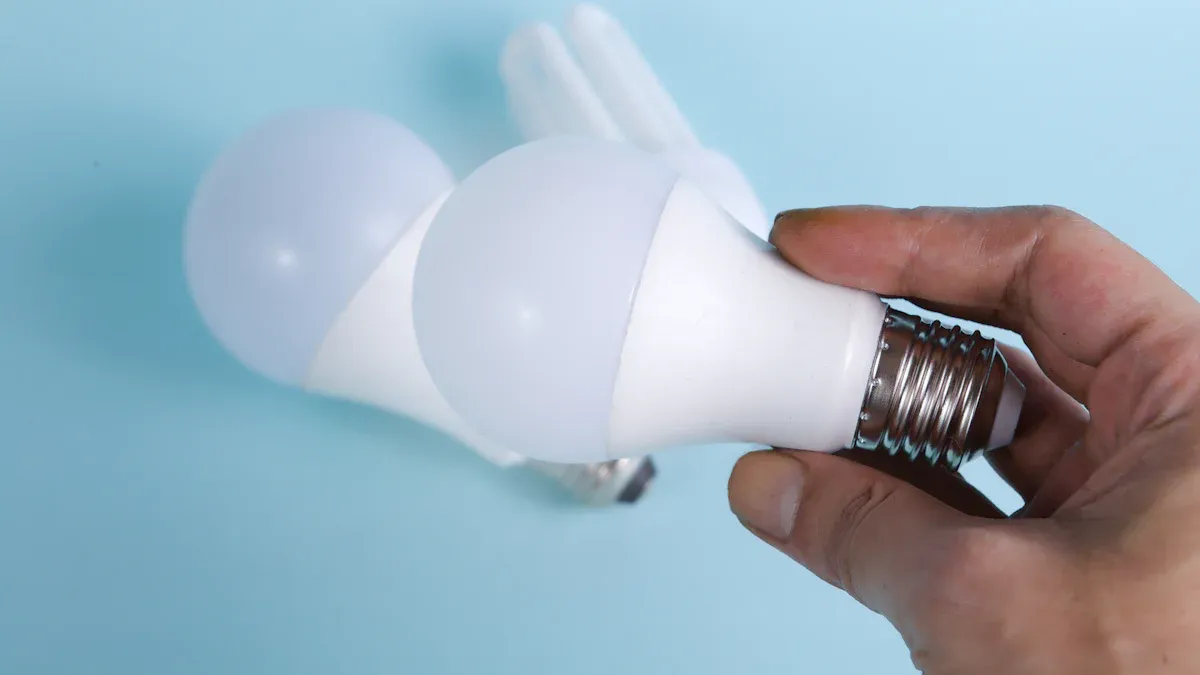
You need to prepare your bulbs before you recycle led light bulbs. This helps keep you safe and makes sure the recycling process works well. Start by gathering all the LED bulbs you want to recycle. Check each bulb for cracks or damage. If you find a broken bulb, handle it with care. Broken bulbs can release toxic materials. You should wear gloves and safety goggles when picking up any pieces. Never throw broken bulbs in the regular trash. They can break more in landfills and harm the environment.
When you collect your bulbs, place them in a sturdy box. Use padding, like newspaper or bubble wrap, to keep them from breaking during transport. If you use a recycling kit, seal the box and insert any liners that come with it. Label the box with the date you started collecting bulbs. Keep the box closed and store it in a safe place until you are ready to ship or drop it off. Before sending the box, seal it tightly and fill out any shipping information. Many recycling kits come with a prepaid shipping label. You can schedule a pickup with a shipping company like FedEx Ground.
Tip: Always keep bulbs whole. Do not try to take them apart or crush them. This keeps you safe and helps recycling centers recover more materials.
Step-by-Step Guide to Recycle LED Light Bulbs
You can follow these steps to recycle led light bulbs safely:
Turn off the lamp or light fixture. Wait for the bulb to cool down.
Remove the bulb gently. Hold the base, not the glass, to avoid breaking it.
Wrap each bulb in newspaper or bubble wrap. This prevents breakage during transport.
If you have string lights, remove them from displays or trees before recycling.
Place all bulbs in a sturdy box with padding.
Label the box with the date and your contact information if needed.
Take the box to a recycling drop-off location or use a mail-in program.
When you recycle led light bulbs, you help protect the environment. Recycling centers sort the bulbs by type and material. Workers separate glass, metals, and plastics. They recover valuable materials and send them to factories to make new products. Any parts that cannot be recycled get disposed of safely.
Note: Most recycling centers accept all types of LED bulbs, including tubes, strips, and vehicle bulbs. Always check with your local center for their rules.
You play an important role in keeping your community safe and clean. By following these steps, you make sure that led bulbs recyclable materials get used again. You also prevent harmful substances from entering the soil and water. Remember, recycling led light bulbs is easy when you prepare and handle them with care. Make it a habit to recycle them every time.
Where to Recycle LED Light Bulbs
Retail Drop-Off Locations
You can find many recycling locations for your used LED bulbs. Several large retailers in the United States offer drop-off bins for old bulbs. You can bring your bulbs to these stores during regular business hours. Here are some common places that accept LED bulbs:
Home Depot
Lowe's
Ikea
True Value
Aubuchon Hardware
Bartell Drugs
These stores make it easy for you to recycle. You just need to bring your bulbs and place them in the marked bins. Store staff can answer questions if you need help. Always check with your local store to make sure they accept the type of bulb you have.
Mail-In and Community Programs
If you do not live near a drop-off location, you can use mail-in recycling programs. These programs let you recycle from home. Here is how a typical mail-in program works:
Buy a mail-in box online or by phone.
Fill the box with your used bulbs and pack them safely.
Attach the prepaid shipping label that comes with the box.
Take the box to a FedEx location. You will get a recycling certificate online.
Some companies also offer mail-back programs. You can buy a recycling kit, fill it with bulbs, and send it to a special recycling center. Many towns and cities have community recycling events. These events collect items like LED bulbs and other e-waste.
Tip: Ask your city or county about local recycling programs. They may have special days for collecting bulbs and electronics.
Types of LED Bulbs You Can Recycle
Most recycling programs accept almost all types of LED bulbs. You can recycle standard bulbs, tubes, strips, and even vehicle bulbs. Some areas have strict rules about electronic waste. For example, California does not allow you to throw LED bulbs in the trash because they may contain toxic metals. Always check with your local recycling center to see which types of bulbs they accept.
You help the environment when you use led bulbs recyclable options. Recycling led light bulbs keeps harmful materials out of landfills. You also make sure valuable metals get used again. Most LED bulbs are recyclable, but rules can change by location. Always ask your recycling locations if you have questions.
What Not to Do When Recycling LED Bulbs
Avoiding Regular Trash and Curbside Bins
Never put led light bulbs in your home trash or curbside bins. These bulbs have dangerous substances that can hurt people and nature. If you throw them away, toxic stuff can get into the ground and water. This can harm plants, animals, and even your drinking water. Here are some reasons to keep bulbs out of regular bins:
Dangerous things from LED bulbs can leak into the dirt and mess up groundwater.
Toxic things like lead can make people and animals sick.
Broken bulbs can cut you because of sharp pieces.
Throwing bulbs away the right way keeps your town safe and clean.
If you do not get rid of led light bulbs the right way, you can cause pollution that hurts whole ecosystems. Recycling centers know how to handle these bulbs safely.
Tip: Always use approved recycling programs or drop-off spots for your LED bulbs.
Legal and Environmental Concerns
Many places have rules for throwing away LED bulbs. These rules protect people and the planet from dangerous waste. If you break these rules, you might have to pay a fine or get in trouble with the law. Towns can also get in trouble if bad stuff from bulbs gets into food or water.
Regulation Type | Description |
|---|---|
Federal Regulations on GSLs | General service lamps must give at least 45 lumens per watt, which changes rules for incandescent and halogen products. |
State Regulations on CFLs | Some states do not allow CFLs because they have mercury, even if they meet federal rules. |
State Regulations on GSFLs | Some states are making new rules for general service fluorescent lamps, which also have mercury. |
Basel Convention | This is a world rule about getting rid of dangerous waste, and it matters for lighting products. |
Throwing away LED bulbs the wrong way can cause big problems for the earth. Bad things like lead, arsenic, and nickel can get into the ground and water. Dust from broken bulbs can make the air dirty. These things make more carbon and help cause global warming. You stop these problems when you recycle LED bulbs the right way.
You make a big difference when you recycle LED bulbs. Recycling lets you save resources like aluminum and glass and keeps harmful substances out of landfills. You can find recycling options at local centers, stores, or through mail-in programs. Always check your city’s rules before you throw away bulbs. Use the table below to see how you can recycle every type of LED bulb responsibly:
Method | Description |
|---|---|
Local recycling programs | Ask your city about electronics or hazardous waste drop-off for LED bulbs. |
Drop-off bins | Bring bulbs to bins at Home Depot, Lowe’s, or IKEA. |
Manufacturer take-back | Look for mail-in or take-back programs on the bulb’s packaging or website. |
Help protect the planet—recycle all your LED bulbs the right way!
FAQ
Can you recycle LED bulbs with regular glass recycling?
No, you cannot recycle LED bulbs with regular glass. LED bulbs have electronic parts. You need to take them to a special recycling center or drop-off location.
What should you do if an LED bulb breaks?
Wear gloves.
Pick up pieces carefully.
Place broken parts in a sealed bag.
Take them to a recycling center.
Do all recycling centers accept LED bulbs?
Not all centers accept LED bulbs. You should call your local center first. Many hardware stores and mail-in programs also take LED bulbs.
Are LED strip lights recyclable?
Type | Recyclable? | Where to Recycle |
|---|---|---|
LED Strip | Yes | Special e-waste centers |
You can recycle LED strip lights at e-waste centers. Always check local rules.
See Also
Your Complete Guide to Swapping Fluorescent Tubes for LEDs
Transforming to LED: An In-Depth Guide for Tube Replacement
Upgrading High Bay Lights to Energy-Efficient LEDs
Benefits of LED Street Lights: Efficiency, Longevity, and Setup