How to Choose the Right Track Fixture Light: Compatibility, Styles, and Technical Specifications

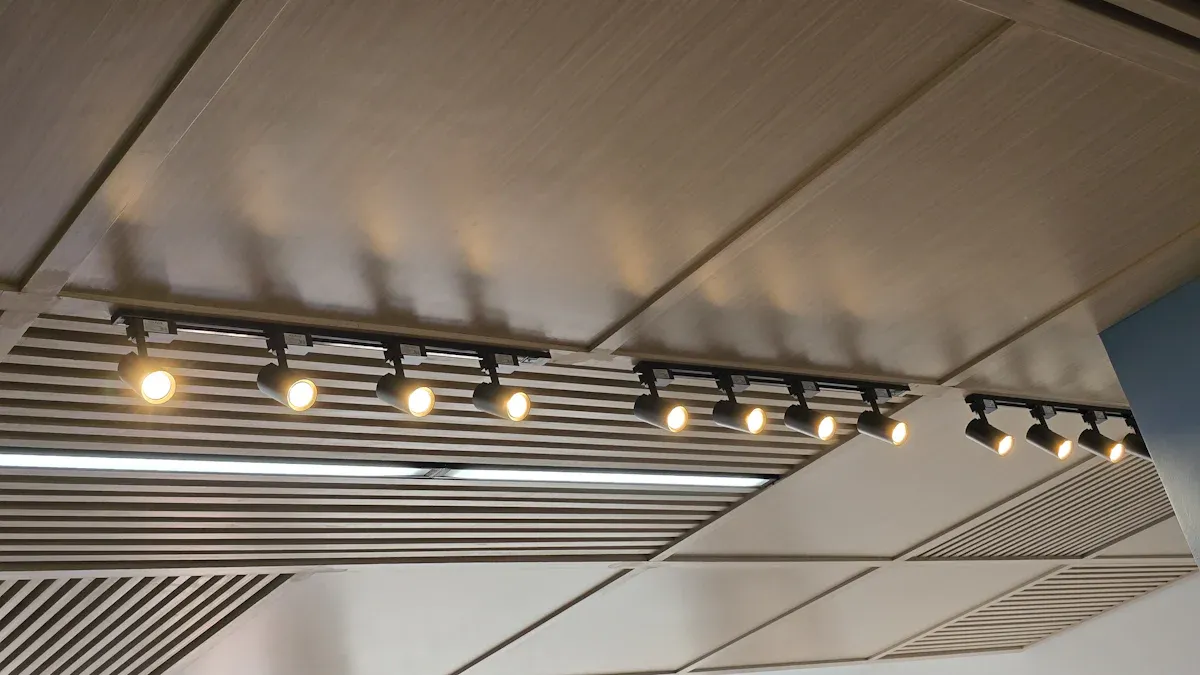
You want your Home to look great and feel comfortable, so picking the right Track Fixture Light matters. Start by looking at your ceiling height and room size. If your ceiling is over 9 feet, you can use suspended track lighting for a bold look. Older homes with lower ceilings do better with surface-mounted lights for balance. Think about your lighting needs and check the Product details. Compatibility, style, and technical specs all play a big part. If you feel stuck, About Us pages and expert advice can help you make a smart choice.
Key Takeaways
Measure your ceiling height and room size first. This helps you pick the right track lighting. Use suspended lights if your ceiling is high. Use surface-mounted lights if your ceiling is low.
Always check your track system type before buying new fixtures. The types are H, J, or L. Do not mix different types. Mixing them can cause problems when you install them.
Think about the voltage of your track lighting. Most homes use 120 volts. Low voltage options can help save energy. Make sure your fixtures match the voltage. This will help you avoid problems.
Pick the right bulb type for your fixtures. LED bulbs save energy and last a long time. Halogen and incandescent bulbs have good and bad points too.
Plan your lighting layout with care. Use both task and ambient lighting for balance. This makes your space feel nice. Move fixture angles to spread the light well.
Track Fixture Light Compatibility
Track System Types (H, J, L)
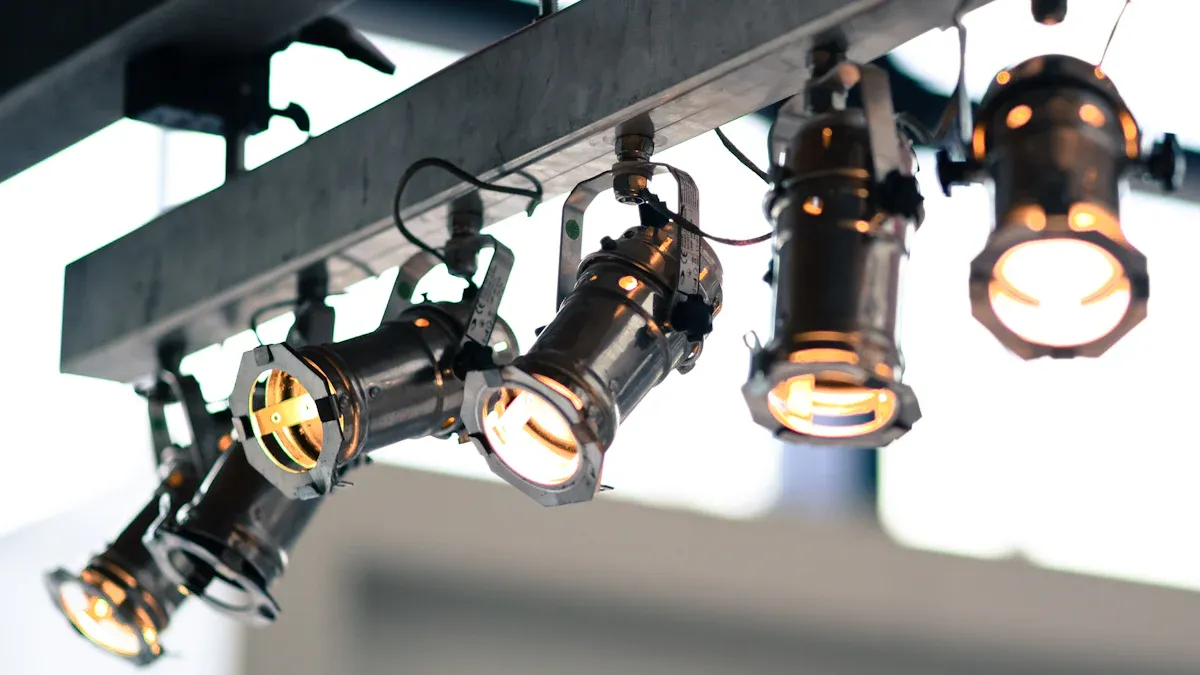
When you shop for a Track Fixture Light, you will see three main track system types. These are H-type (Halo), J-type (Juno), and L-type (Lightolier). Each system looks different and works in its own way. You cannot mix these types together. For example, a J-type fixture will not fit on an H-type track. It will not work if you try. You must check your track’s brand and style before buying new fixtures.
Here is a simple table that shows how H-type and J-type tracks are different:
Feature | H-Type (Halo) | J-Type (Juno) |
|---|---|---|
Contacts | 3 Points | 2 Strips |
Spacing | Close triangle shape | Wide (1 inch apart) |
Appearance | Three distinct clips | Two flat copper areas |
H-type tracks have three contact points. One of them is a ground tip. J-type tracks have two contact strips that are far apart. They do not have a ground tip. The electrical parts inside are not the same. This means you cannot swap fixtures between these systems.
Tip: Always check your track system type before you buy a new Track Fixture Light. If you are not sure, look for a label on the track or ask someone who works at the store.
Voltage and Electrical Match
You also need to think about voltage when you pick a Track Fixture Light. Most homes use line voltage systems, which are 120 volts. Some stores or offices use low voltage tracks, like 12 or 24 volts. These need a transformer. Low voltage systems use less energy. They can help you save money on your electric bill.
If you use the wrong voltage, you could have problems like:
Overheating
Electrical hazards
Damage to fixtures
Lights might look dim or flicker if the voltage does not match. Too much heat can make bulbs burn out faster. It can even damage your fixtures. Always check the voltage rating on your track and your fixture before you put anything in.
Note: Low voltage tracks are good for saving energy. But you must make sure your fixtures and bulbs are made for that system.
Fixture and Bulb Compatibility
Not every bulb works with every Track Fixture Light. There are three main types: halogen, LED, and incandescent. Each one has good things and bad things. Here is a table to help you compare:
Bulb Type | Advantages | Limitations |
|---|---|---|
Halogen | Bright, crisp light; excellent color rendering; dimmable. | Generates heat; less energy-efficient than LEDs. |
LED | Energy-efficient; long lifespan; versatile color temperatures; smart tech. | Higher initial cost; may require compatible fixtures. |
Incandescent | Warm light; affordable; compatible with many dimmers. | Shorter lifespan; less energy-efficient than others. |
LED bulbs are special because they last much longer than halogen or incandescent bulbs. Here are the average lifespans:
Bulb Type | Average Lifespan (hours) |
|---|---|
LED | 50,000 to 70,000 |
Halogen | 2,000 to 4,000 |
Incandescent | N/A |
If you want to save energy, choose LED bulbs. A 10-watt LED can be as bright as a 50-watt halogen. It uses much less power. Make sure your fixture can use LED bulbs. Some old tracks only work with halogen or incandescent bulbs.
Tip: Always check the bulb type and wattage your Track Fixture Light can use. Using the wrong bulb can cause problems or even break your fixture.
Style and Lighting Purpose
Fixture Styles and Finishes
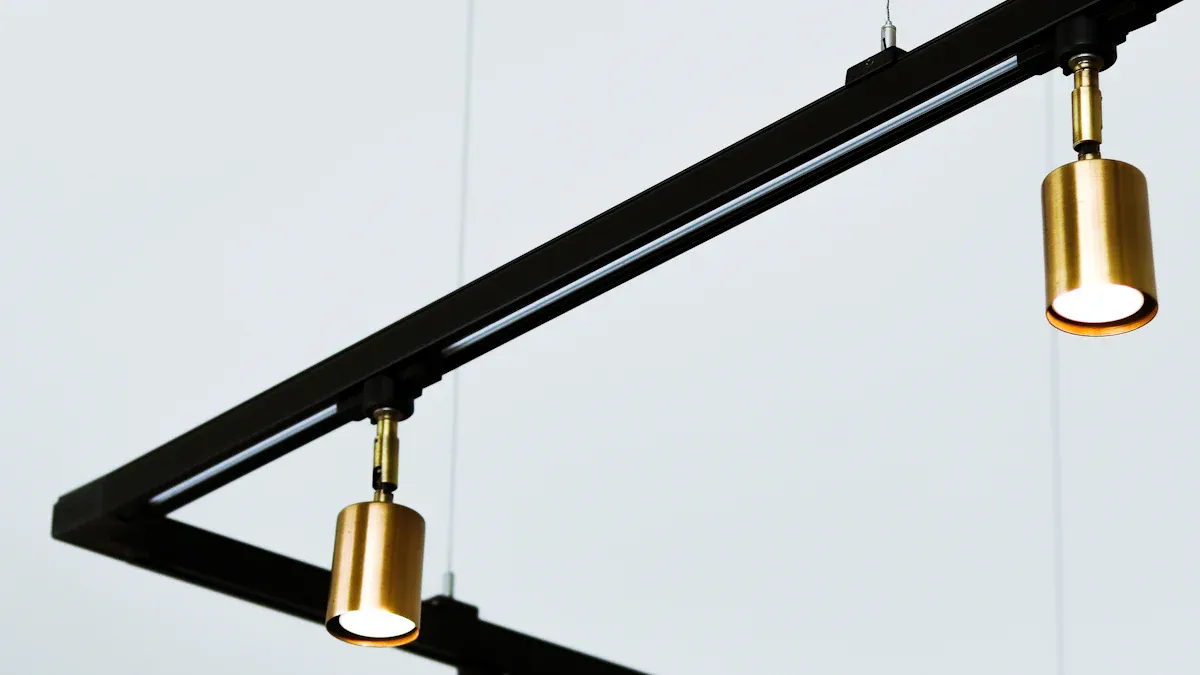
You have a lot of choices when it comes to the look of your Track Fixture Light. Some people like classic black or white for a clean, simple style. Others want metallic finishes like bronze, nickel, chrome, or brass. These finishes can make your space feel modern and even a little bit fancy. If you want your lights to stand out, try a black fixture on a white ceiling. That creates a bold contrast. If you want your lights to blend in, pick a color that matches your ceiling. This trick works well if you want to highlight artwork or special features without drawing attention to the fixture itself.
Track lighting is also flexible. You can point the lights at artwork, a kitchen counter, or your favorite chair. Hanging track lights add character and help you see better in busy spaces like kitchens.
Tip: Metallic finishes add a touch of luxury, while matching your fixture to the ceiling keeps things subtle and modern.
Matching Room Aesthetics
You want your lighting to fit the style of your room. Start by thinking about the size of your space and what you want the lights to do. If you have a modern room, choose sleek, simple fixtures. For a traditional space, vintage or classic designs work best. Always match the fixture style to your room’s theme. This helps everything look balanced and put together.
Consider the room’s main colors and materials.
Decide if you want the lights to stand out or blend in.
Think about what you want to highlight, like art or a cool wall.
A well-chosen Track Fixture Light can make your room feel bigger, brighter, and more inviting.
Task vs. Ambient Lighting
You need to decide if you want your track lights for tasks or for general light. Task lighting gives you bright, focused light for things like cooking or reading. Ambient lighting fills the whole room with a soft, comfortable glow.
Feature | Task Lighting | Ambient Lighting |
|---|---|---|
Purpose | Focused for specific activities | General light for the whole room |
Brightness | Brighter and more direct | Softer and more even |
Color Temperature | Cooler (3500–4500 K) | Warmer (2700–3000 K) |
Best For | Kitchens, offices, reading nooks | Living rooms, bedrooms, dining |
Brighter lights make a room feel energetic. Dimmer, warmer lights help you relax. You can even mix both types in one space for the best effect.
Technical Specs to Check
Wattage and Beam Spread
When you choose a Track Fixture Light, think about wattage and beam spread. Wattage shows how much light the fixture gives. More wattage means your room will be brighter. This is good for big rooms that need lots of light. But you should not always pick the highest wattage. You want enough light, but you also want to save energy. Beam spread is important too. A narrow beam puts light on one spot. This is great for showing off art or lighting a reading chair. A wide beam spreads light over a bigger area. This helps light up the whole room evenly. Try to match the wattage and beam spread to your room’s size and what you want to light up. This helps you get good light without wasting power.
Tip: More wattage gives more light, but check if you really need it. Sometimes a lower wattage with a wide beam is enough.
Color Temperature and Efficiency
Color temperature changes how your room looks and feels. Warm light makes a room feel cozy and relaxing. Cool light makes a space feel bright and helps you focus. Use this table to help you pick the right color temperature:
Application | Color Temperature Range (Kelvin) |
|---|---|
Residential | 2700K to 3500K |
Commercial | 6000K to 7000K |
Lower color temperatures (2700K to 3500K) make a warm, calm feeling. These are best for homes.
Higher color temperatures (6000K to 7000K) help people stay awake and alert. These are good for offices and stores.
LEDs use less energy than other bulbs. They last a long time and help you save money. If you want your Track Fixture Light to be efficient, choose LED bulbs. You get bright light and use less power.
Installation and Safety Codes
You want your lights to be safe and follow the rules. In the United States, the National Electrical Code (NEC) gives the rules for putting in track lighting. Here are some important codes and rules:
Safety Code | Description |
|---|---|
National Electrical Code | Sets rules for electrical work, including track lighting. |
Article 410 | Talks about luminaires, lampholders, and lamps, including track fixtures. |
Grounding Requirements | Makes sure metal parts are grounded to stop electric shock. |
Overcurrent Protection | Needs devices to protect wires from too much current or short circuits. |
Watch out for mistakes that break these rules:
Damaging the outside of non-metallic sheathed cable
Mixing line-voltage and low-voltage wires together
Not using a splice box when adding a new fixture
Putting too many wires in one hole
Placing HVAC ducts too close to carbon-monoxide or smoke detectors
If you follow these codes and avoid mistakes, your Track Fixture Light will be safe and work well.
Placement and Layout Tips
Spacing and Orientation
Getting the right spacing and orientation for your lights makes a big difference. You want your room to feel bright and balanced, not patchy or harsh. Start by spacing your fixtures about 2 to 4 feet apart. This helps spread light evenly and avoids dark corners. If you have a long hallway or a big living room, you can add more fixtures for extra coverage.
How you point each fixture matters, too. The plug twist lets you turn and aim the light where you need it most. Here’s what you should keep in mind:
The angle and height of each fixture change how the light falls in your room.
If you point lights straight down, you get strong pools of light. Angling them can wash light across walls or highlight art.
Adjusting the orientation helps you avoid shadows and keeps the space welcoming.
If you line up fixtures without thinking about direction, you might end up with spots that are too bright or too dark.
Tip: Try different angles and heights until you see an even spread of light. Move fixtures to balance brightness across the room.
Layering Light
Layering light means using more than one type of lighting in your space. You don’t want just one kind of light. Mixing different lights makes your room look better and work better for you. Here’s how you can do it:
Use large fixtures with bright bulbs for ambient lighting. This gives you general light for the whole room.
Add smaller or medium fixtures for task lighting. These help you see better when you read, cook, or work.
Place pinpoint fixtures to highlight special spots, like artwork or a cool shelf. This is accent lighting.
Lighting experts say you should combine track lights with other sources, like lamps or wall sconces. This layered approach gives you a well-rounded look. Ambient lighting fills the space, accent lighting draws attention to details, and task lighting helps you get things done.
Note: Layering light makes your room feel comfortable and flexible. You can change the mood by turning different lights on or off.
Common Mistakes to Avoid
Mismatched Components
You might feel tempted to mix and match parts from different brands when setting up your track lighting. That can cause big problems. Each manufacturer designs their tracks and fixtures a little differently. If you connect parts that do not match, you could run into these issues:
Fixtures may not fit or lock into the track.
Connections can fail, making your lights flicker or stop working.
Overheating can happen if the circuits do not line up right.
You might even damage your fixtures or the track itself.
You should always check the manufacturer’s guidelines before you buy new parts. Sticking with one brand or system helps you avoid headaches and keeps your lighting safe. Remember, H-Type, J-Type, and L-Type tracks do not work together. Using the wrong head in a track can lead to installation trouble, safety risks, and inconsistent performance.
Tip: If you are not sure about compatibility, ask a lighting expert or check the product label before you buy.
Ignoring Room Needs
You want your space to look and feel just right. If you ignore what your room needs, your lighting will not work well. Here are some common problems people face:
Relying on one central light can leave dark corners and harsh shadows.
Too many fixtures can make the room too bright, causing glare and discomfort.
Placing fixtures in the wrong spots can create uneven lighting and miss important areas.
Think about what you do in each room. Do you read, cook, or relax there? Plan your lighting to match those activities. Good lighting makes your space feel balanced and comfortable. Take time to look at your room and decide where you need more or less light.
Note: A little planning goes a long way. The right layout and fixtures can turn any room into a bright, welcoming place.
Choosing the right Track Fixture Light is easy when you follow a few simple steps:
Measure your space and check where the power supply sits.
Make sure your fixture matches the track system and fits your room’s style.
Check wattage, voltage, and beam angle for safe and bright lighting.
Ask a professional electrician if you feel unsure.
Remember, LED bulbs save energy and last longer. With good planning, you can create a space that looks great and feels just right.
FAQ
Can I mix different brands of track lighting?
You shouldn’t mix brands. Most tracks and fixtures only fit their own system. If you try to combine them, the parts may not connect or work right. Always check the brand and type before you buy new pieces.
How do I know which track system I have?
Look for a label on your track. You might see “H-Type,” “J-Type,” or “L-Type.” If you can’t find a label, count the contact points or ask a lighting expert. Matching the system is key for safe installation.
What bulbs work best for track lighting?
LED bulbs work best for most track lights. They last a long time and save energy. Halogen bulbs give bright light but use more power. Incandescent bulbs cost less but burn out faster. Always check your fixture’s bulb type before buying.
Do I need an electrician to install track lighting?
You can install track lighting yourself if you feel comfortable with basic wiring. If you’re unsure or your home has old wiring, call an electrician. Safety matters most. Never skip reading the instructions.
How many track lights do I need for my room?
Count your room size and what you want to light up. For a small room, three to four fixtures work well. Bigger rooms need more. Space each fixture about 2 to 4 feet apart for even coverage.
See Also
Eco-Friendly LED Choices for Business Track Lighting Systems
Selecting Ideal Outdoor Lighting Fixtures for Your Business Needs
Top LED Bulbs Available Now for Track Lighting Solutions
Ultimate Resource on High Bay Lights: Uses, Varieties, and Setup Tips
LED Track Lighting: Systems, Setup, and Design Considerations