Understanding 4 Pin Light Bulbs and How to Pick the Best One

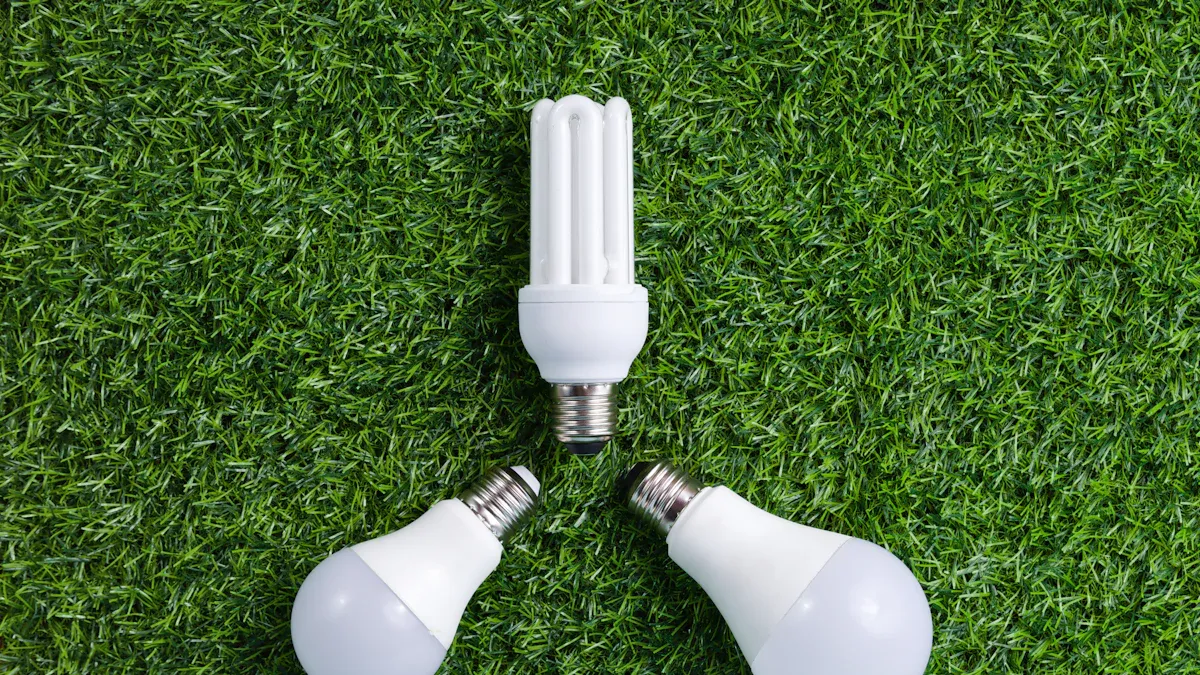
A four prong light bulb has four pins at the bottom. These pins help connect the bulb to a light fixture. You must choose the right light bulb so your light works well and safely. Four prong light bulbs are used in many places. You can find them in offices, stores, and homes. The table below shows why people pick four prong light bulbs more than other bulbs:
Reason | Description |
|---|---|
Energy Efficiency | Four prong light bulbs use less power than old bulbs. This helps you pay less for electricity. |
Longevity | These bulbs last longer. You do not need to change them often. This saves money on new bulbs. |
Versatility in Applications | Their small size lets you use them in many fixtures. They work well in offices, stores, and homes. |
Color Temperature Variety | You can buy these bulbs in different colors of light. This helps you pick the best light for each room. |
Four prong light bulbs are good for the planet. They last longer and make less trash. Many programs that save energy use these bulbs.
When you choose the right light bulb, look at the pin shape. Make sure it fits your light fixture. Check if you can dim the bulb. You may see choices like LED light or other types. If you need help, visit the About Us page for answers about our products.
Key Takeaways
Four prong light bulbs use less energy. They help you save money on your electric bill.
These bulbs work longer than regular bulbs. You do not have to change them often.
Always look at the pin shape before you buy a bulb. Make sure it fits your light fixture.
Think about the color temperature of the bulb. It helps you set the mood in your room.
Pick LED or circline bulbs for better energy savings. They also last a long time.
What Is a Four Prong Light Bulb?
Key Features and How It Works
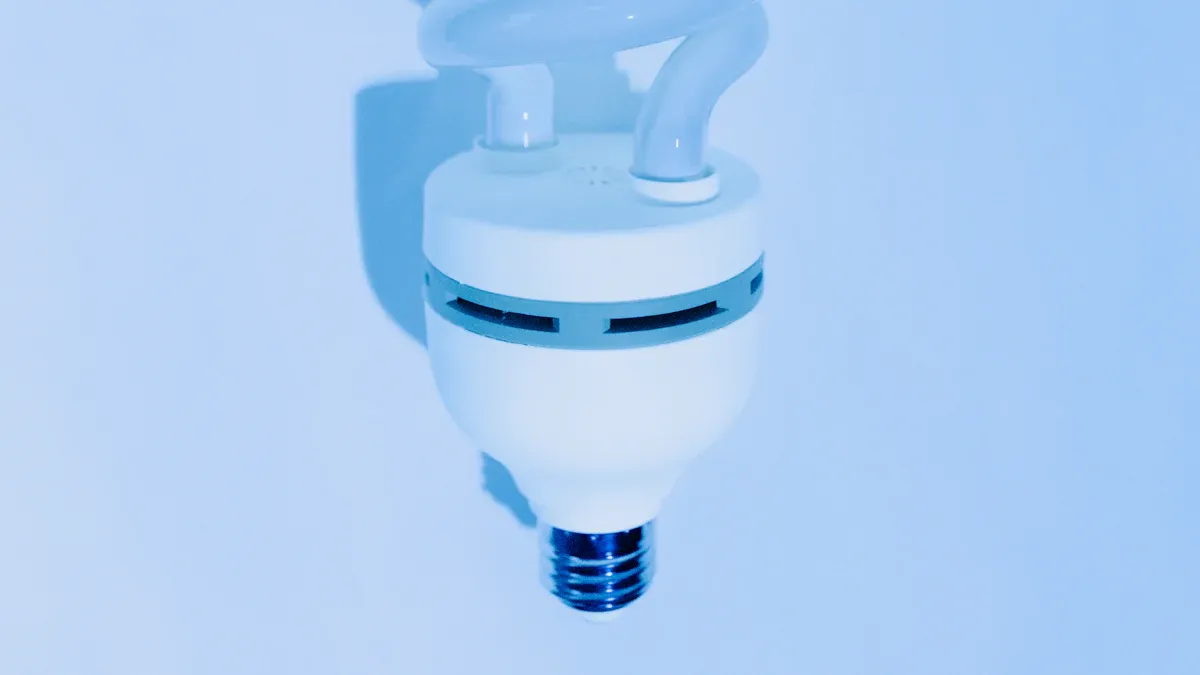
You see a four prong light bulb in many fixtures. This bulb has four metal pins at the base. These pins help the bulb connect to the socket. Each pin carries electricity to the bulb. The design keeps the bulb stable and safe. You must match the pin layout to your fixture. If the pins do not fit, the bulb will not work.
A four prong light bulb uses a special socket. You cannot use it in a regular screw-in socket. The four pins make sure the bulb gets the right power. Some bulbs use a ballast or driver. This part controls the flow of electricity. You get steady light and less flicker. Many bulbs with four pins use energy-saving technology.
Tip: Always check the pin shape before you buy a new bulb. The wrong pin type can damage your fixture.
Common Applications
You find four prong light bulbs in many places. Offices use them in ceiling lights. Stores use them in display cases. Homes use them in kitchens and bathrooms. These bulbs work well in places that need bright, even light.
Here are some common uses:
Ceiling fixtures in offices
Under-cabinet lights in kitchens
Display lighting in stores
Bathroom vanity lights
Location | Why Use a Four Prong Light Bulb? |
|---|---|
Office | Gives bright, steady light for work |
Kitchen | Fits slim fixtures under cabinets |
Store | Shows products with clear lighting |
Bathroom | Lights up mirrors and sinks |
You must pick a bulb that matches your fixture. The right four prong light bulb gives you safe, bright, and efficient light.
Types of 4 Pin Bulbs and Circline Bulb Overview
Compact Fluorescent (CFL) 4 Pin Bulbs
You often see a compact fluorescent bulb in office lights and kitchen fixtures. This type of fluorescent bulb uses four pins to connect to the socket. The most common pin bases are G24q and GX24q. These bases help you match the fluorescent bulb to your fixture. The NEMA system uses codes to help you pick the right fluorescent bulb for your needs.
A compact fluorescent bulb uses about 70% less energy than an old incandescent bulb. It lasts between 6,000 and 15,000 hours. You can find these bulbs in many shapes and sizes. Some compact fluorescent bulbs need a special ballast to work. Not all compact fluorescent bulbs are dimmable, so you should check the package before you buy.
Feature | CFL Bulbs |
|---|---|
Energy Use | 70% less than incandescent |
Lifespan | 6,000-15,000 hours |
Dimmable | Sometimes |
Ballast Needed | Yes |
Tip: Always check the pin base and ballast type before you buy a new compact fluorescent bulb.
LED 4 Pin Bulbs
LED 4 pin bulbs are a newer choice for many fixtures. These bulbs use even less energy than a fluorescent bulb. An LED bulb can last up to 50,000 hours or more. You will notice that LED bulbs do not get as hot as a fluorescent bulb. They also turn on right away and do not flicker.
LED 4 pin bulbs often work with the same fixtures as a fluorescent bulb. Some LED bulbs need a special driver instead of a ballast. Most LED bulbs are not only more efficient but also have better color quality. You can find smart LED bulbs that let you control the light with your phone.
Feature | LED Bulbs |
|---|---|
Lifespan | 50,000+ hours |
75% less than incandescent | |
Dimmable | Often |
Ballast/Driver Needed | Driver or compatible ballast |
LED bulbs last much longer than a fluorescent bulb.
You pay more at first, but you save money over time.
LED bulbs do not contain mercury, so they are safer for the environment.
Circline Bulb and Other Specialty Types
A circline bulb is a round fluorescent bulb with four pins. You see a circline bulb in ceiling lights, desk lamps, and some display cases. The circline shape lets you get even light in a wide area. Many people use a circline bulb to replace old round fluorescent bulbs.
Specialty circline bulbs have unique features. They use less energy than a regular fluorescent bulb. A circline bulb can last up to 25 times longer than a standard fluorescent bulb. You do not have to wait for a circline bulb to warm up. It turns on right away and does not buzz or flicker.
Circline bulbs work well for retrofitting old lighting systems.
You get four contact points for a stable connection.
Circline bulbs are quiet and do not contain mercury.
Some circline bulbs use LED technology for even better efficiency.
Note: New circline bulbs use smart technology. You can control them with your phone or set them to change color.
Feature | Circline Bulb |
|---|---|
Shape | Round, even light |
Lifespan | Up to 25x longer than CFL |
Energy Use | Less than standard fluorescent |
Dimmable | Sometimes |
You should always check if your fixture supports a circline bulb. Look for the right pin configuration and make sure the ballast or driver matches. Circline bulbs give you bright, even light and help you save energy.
Choose the Right Light Bulb: 4 Pin Guide
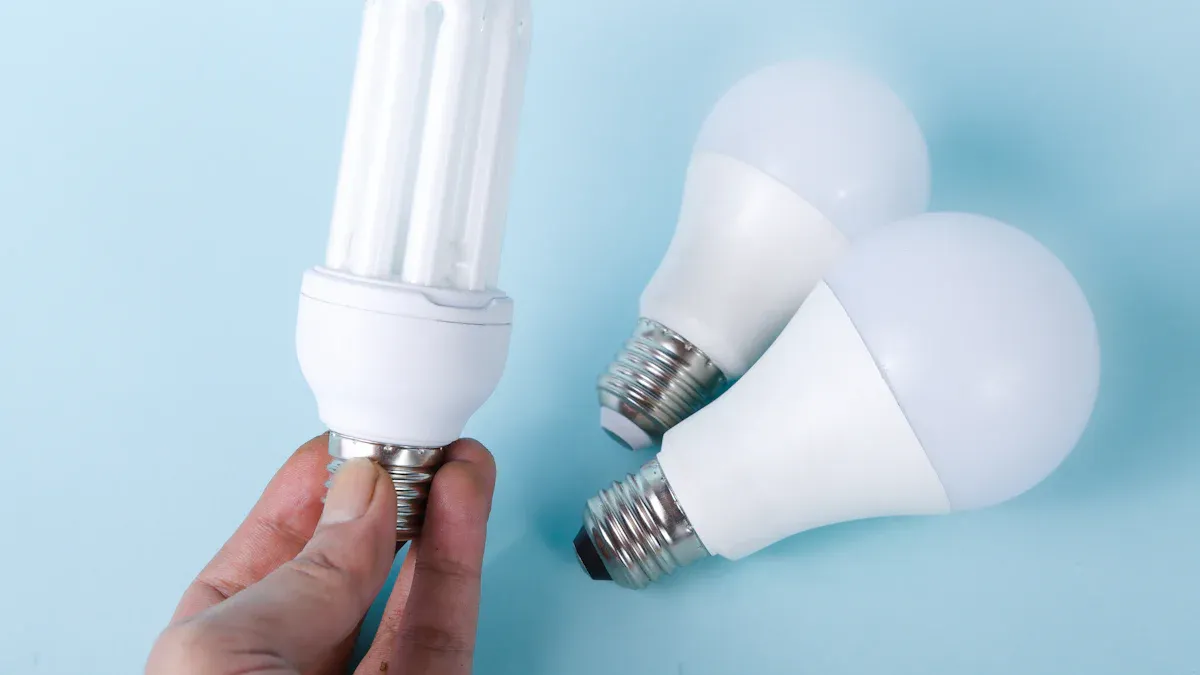
Choosing the right light bulb for your fixture can seem confusing. You want your lighting to work well, last long, and save energy. This guide will help you make smart choices for your home, office, or store.
Fixture and Pin Compatibility
Start by checking fixture compatibility. Look at your fixture and see what type of socket it uses. Four pin bulbs come in different pin shapes and sizes. If the pins do not match, the bulb will not fit or work. Circline bulbs also have unique pin layouts. Always compare the pin configuration on your old bulb with the new one.
Match the number and shape of pins to your fixture.
Check the base type, such as G24q or GX24q for compact bulbs, or the special base for a circline bulb.
Make sure the bulb fits snugly and does not wiggle.
Tip: If you are not sure about the pin type, bring your old bulb to the store or take a clear photo.
Dimmability and Control Gear
Some fixtures let you dim the light. Not all four pin bulbs can dim. If you want to control brightness, check the package for "dimmable." Circline bulbs and other four pin bulbs may need special control gear, like a ballast or driver. The control gear helps the bulb work safely and prevents flicker.
Use a dimmable bulb only with a dimmable fixture.
Make sure the ballast or driver matches the bulb type.
Circline bulbs often need a matching electronic ballast for smooth dimming.
Note: Using the wrong control gear can cause flickering or shorten the bulb's life.
Wattage, Voltage, and Color Temperature
You need to check wattage and voltage before you choose the right light bulb. The wattage tells you how much energy the bulb uses and how bright it will be. The voltage rating must match your fixture. Using the wrong voltage can damage the bulb or the fixture.
The voltage rating is essential for bulb operation; using the wrong voltage can lead to malfunction or damage.
Wattage determines energy consumption and light output; higher wattage can produce more light but may exceed fixture ratings, causing damage.
The base type of the bulb is also critical; an incompatible base will prevent the bulb from fitting into the fixture.
Color temperature affects how the light looks in your space. Circline bulbs and other four pin bulbs come in many color temperatures. Use the table below to pick the best one for your needs:
Color Temperature Range | Description |
|---|---|
2000K-3000K | Warm, yellowish light |
3500K-4100K | Neutral white light |
5000K-6500K | Cool, bluish light |
8000K-10000K | Daylight |
You can use these color temperatures in different places:
Residential Spaces: 2700K to 3000K for a warm, inviting atmosphere.
Kitchen and Bathroom: Around 3500K for clear, bright light.
Office and School: Typically 4000K for functional and comfortable lighting.
Industrial Areas: 5000K for high visibility and alertness.
Sports Venues: 5000K to 5700K for powerful lighting.
Outdoor Lighting: 3500K to 4000K for a warm glow, with 5000K for security.
Tip: Circline bulbs with higher color temperatures work well in workspaces and garages.
Application and Energy Efficiency
Think about where you will use the bulb. Circline bulbs fit well in ceiling fixtures, desk lamps, and display cases. You want to choose the right light bulb for each space. Energy efficiency matters for your wallet and the planet.
Look at the table below to compare energy efficiency and cost:
Bulb Type | Energy Efficiency | Lifespan (hours) | Cost to Run for 25,000 hours |
|---|---|---|---|
LED | 90% | 25,000 | $30 |
CFL | 85% | 8,000 | $50 |
Incandescent | 10% | 750 | $169 |
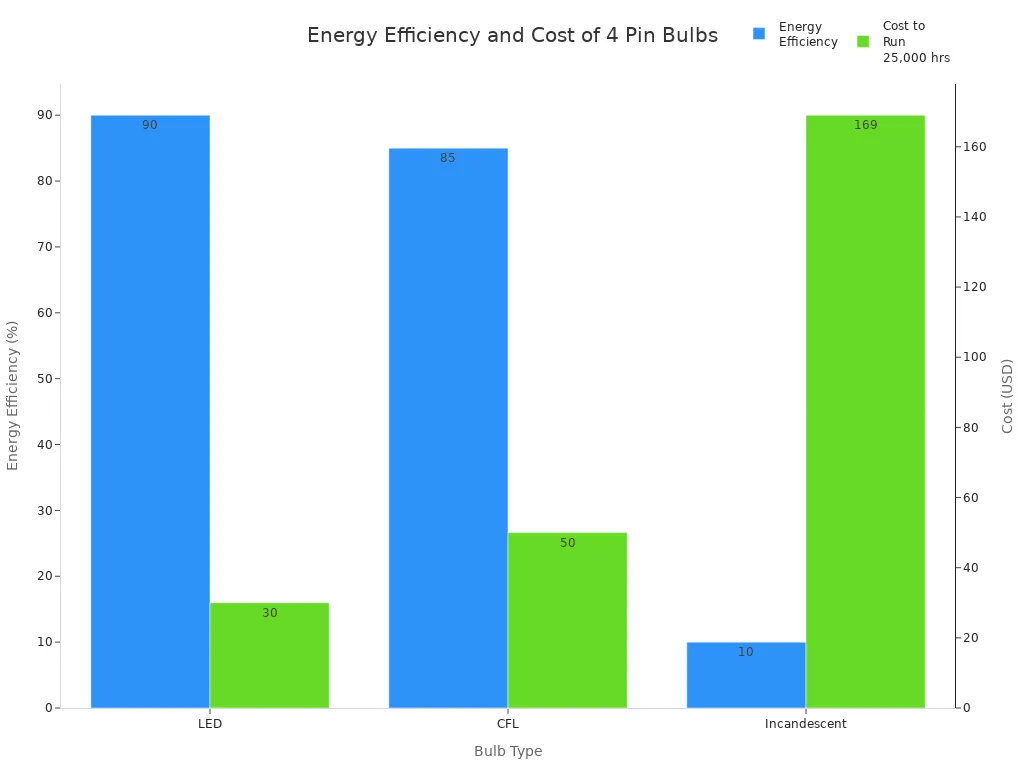
LED four pin bulbs and circline bulbs save the most energy. They last longer and cost less to run. CFL bulbs also offer good energy efficiency. Incandescent bulbs use much more power and burn out quickly.
You should also know about safety and standards. The government sets rules for energy efficiency. The Energy Independence and Security Act of 2007 started these rules. The Department of Energy made new rules in 2022. These rules say that most bulbs must give at least 45 lumens per watt. In July 2028, new bulbs must reach 120 lumens per watt. Circline bulbs and other four pin bulbs must meet these standards.
Note: Always check for energy efficient labels and make sure your bulb meets the latest standards.
When you choose the right light bulb, remember these steps:
Check fixture compatibility and pin configuration.
Decide if you need dimmable features and the right control gear.
Match wattage and voltage to your fixture.
Pick the best color temperature for your space.
Choose a bulb with high energy efficiency, like an LED or circline bulb.
Following these steps helps you get safe, bright, and energy efficient lighting for any room.
Installation and Troubleshooting Tips
Safe Installation Steps
You want your circline bulb to be safe and last long. First, turn off the power before touching the fixture. Always check if the socket matches your bulb. Look at things like pin shape and wattage before installing. If you need to measure a circline bulb, use a ruler. Measure from one side to the other. This helps you get the right size for your fixture.
Here are some mistakes you should not make:
Do not think all circline bulbs fit every fixture.
Do not pick the wrong type for your socket or control gear.
Do not ignore wattage or voltage, or the bulb can get too hot.
Do not forget to measure a circline bulb before buying a new one.
Do not miss things like mounting height or beam angle.
Tip: Always measure a circline bulb before buying a new one. This makes sure it fits and does not get damaged.
Common Issues and Solutions
Sometimes, your circline bulb might flicker or not turn on. You can fix many problems with easy steps:
Make sure the light switch is turned on.
Check if the bulb is loose or rattling in the socket.
Look for any damage to the socket.
Tighten any screws that are loose in the outlet.
Change the bulb if it keeps flickering.
Try another circline bulb to see if the problem is the bulb or the fixture.
Make sure your dimmer switch works with your circline bulb.
Unplug some devices if too many are on the same circuit.
If you still have trouble, check the wiring or call an expert. Flickering that will not stop can mean a bigger electrical problem.
Note: Always use the right circline bulb for your fixture. This stops most common problems.
Maintenance and Replacement
You can help your circline bulbs last longer with good care. Try not to turn them on and off too much. Use timers or sensors to control lights in busy places. Pick high-quality LED circline bulbs for better life. Keep bulbs clean by wiping off dust and checking for damage. Use surge protectors to keep bulbs safe from voltage spikes.
Make a plan to check and clean your fixtures often. If you need to change a circline bulb, turn off the power first. Measure a circline bulb to get the right size. Good installation and regular care help your circline bulbs stay bright and last longer.
Maintenance Tip | Benefit |
|---|---|
Use smart controls | Makes bulbs last longer |
Clean bulbs and fixtures | Makes light brighter |
Avoid extreme temperatures | Helps bulbs last longer |
Measure a circline bulb first | Makes sure you get the right one |
Remember: Careful installation and regular checks keep your circline bulbs safe and working well.
When picking a four prong light bulb, follow these steps. First, check if the pin setup matches your fixture. Next, look for bulbs that save energy. Compare LED bulbs to older types. Choose a circline bulb if you want light spread out in big areas. Make sure the bulb can dim if you need that. Use the right control gear for your bulb. Pick bulbs that have safety labels or certifications.
If you use the wrong four prong light bulb or circline, it can get too hot, flicker, or even start a fire. Always use the right bulb and ask an expert if you are not sure.
FAQ
What is a circline bulb and where can you use it?
A circline bulb is a round light bulb with four pins. You can use it in ceiling fixtures, desk lamps, and display cases. It gives even light and works well in many rooms.
How do you know if a circline bulb fits your fixture?
Check the pin configuration and size. Match the number and shape of pins on your old bulb to the new circline bulb. Measure the diameter to make sure it fits your fixture.
Can you replace a regular bulb with a circline bulb?
You cannot use a circline bulb in a regular socket. Circline bulbs need a special fixture with a matching socket and control gear. Always check your fixture before buying a new bulb.
Why does your circline bulb flicker or not turn on?
Flickering or not turning on can mean a loose connection, wrong control gear, or an old bulb. Make sure the circline bulb fits tightly and matches the fixture. Replace the bulb if problems continue.
How do you make a circline bulb last longer?
Turn off lights when not needed.
Clean the bulb and fixture often.
Use the right control gear.
Avoid switching the circline bulb on and off too much.
See Also
Understanding LED Bulbs: Innovations, Advantages, And Choosing Tips
Choosing Ideal LED Bulbs For Various Light Fixtures
Exploring GE LED Bulbs: Attributes, Advantages, And Picking Advice
Comprehensive Guide To Street Bulbs: Varieties, Tech, And Uses