How to Choose the Right Recessed Lighting Fixtures LED for Different Room Types

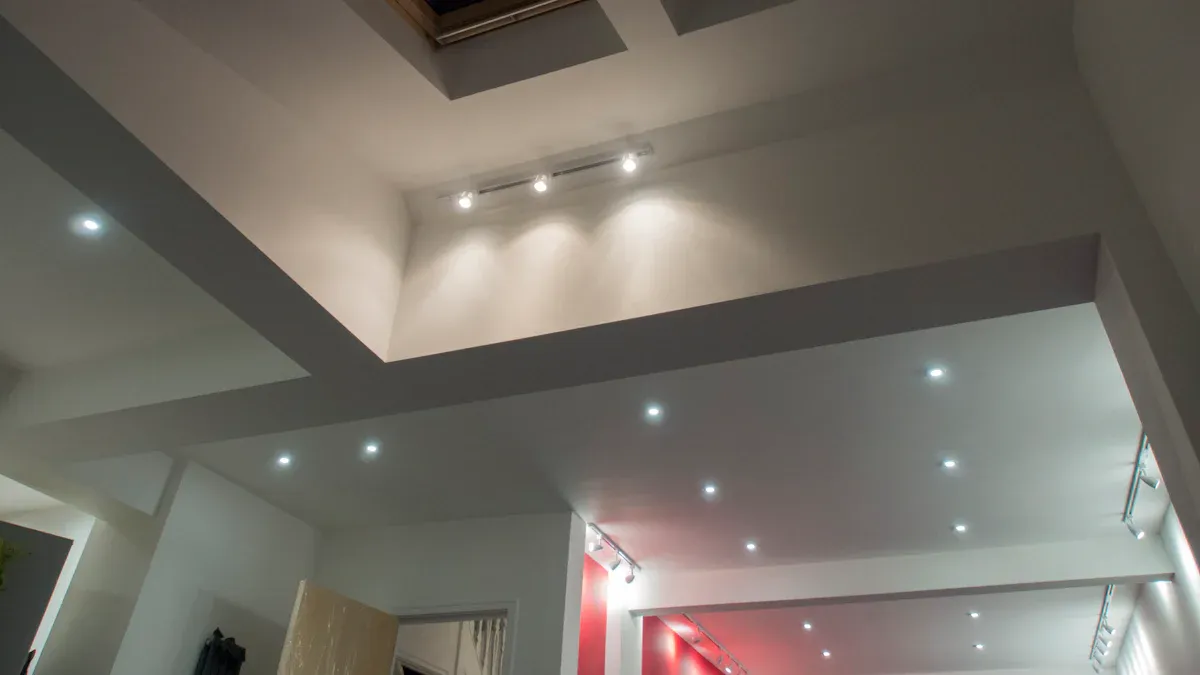
You want your Home to feel bright, comfortable, and just right for every activity. When you Choose the Right Recessed Lighting, think about fixture size, trim, bulb temperature, and spacing. Larger fixtures work best in big spaces because they spread light out, while smaller ones help with focused tasks. The trim changes how much glare you see. Warm Led Light makes a room feel cozy, but cool tones keep you alert. Good spacing brings everything together, making your Product choices shine. If you want to know more About Us, keep reading.
Key Takeaways
Choose fixture size based on room size. Use 6-inch lights for large spaces and 4-inch lights for smaller areas.
Select trim types that match your room's purpose. Baffle trims reduce glare, while reflector trims brighten task areas.
Pick the right bulb temperature to set the mood. Warm white (2700K-3000K) creates a cozy feel, while cool white (4000K-5000K) keeps you alert.
Space lights correctly to avoid shadows. For an 8-foot ceiling, keep lights about 4 feet apart for even coverage.
Consider energy efficiency. LED fixtures save power and last longer, making them a smart choice for any room.
Choose the Right Recessed Lighting
Fixture Size
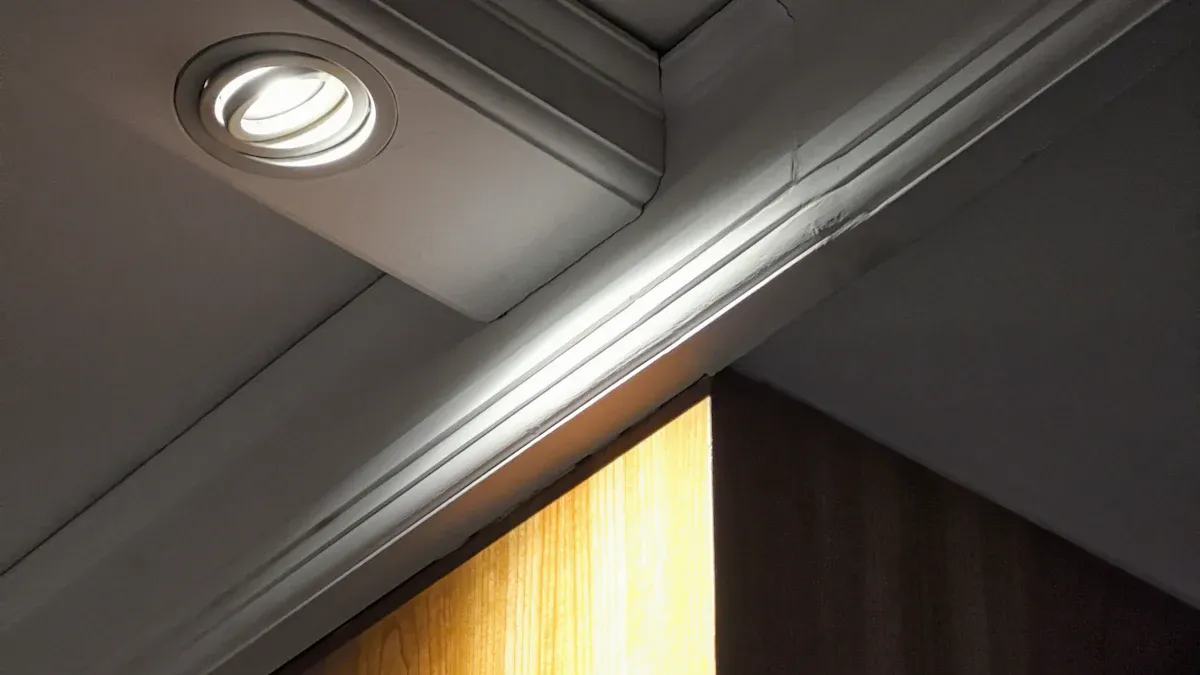
When you want to Choose the Right Recessed Lighting, start with fixture size. The size of the fixture changes how much light spreads across your room. Most homes use 4-inch or 6-inch recessed LED lights. If you have a large living room or kitchen, 6-inch cans work well because they cover more space and help avoid dark corners. Smaller rooms, like bathrooms or hallways, look better with 4-inch fixtures. The spacing between lights matters too. For example, if your ceiling is 8 feet high and you use a 6-inch light with a spacing criterion of 1.5, you should keep the lights about 12 feet apart. This helps you avoid shadows and keeps the room bright without making it feel harsh.
Trim Options
You have lots of choices when it comes to trim. The trim changes both the look and the feel of your lighting. Here’s a quick table to help you compare:
Trim Type | Functional Differences | Aesthetic Differences |
|---|---|---|
Baffle Trim | Reduces glare, gives soft, diffused light, works with many bulb types. | Comes in different finishes, easy to match with your decor. |
Reflector Trim | Makes rooms brighter, perfect for tasks, sends light straight down. | Shiny surface, can cause glare, not great for relaxing spaces. |
Adjustable Trim | Lets you point light where you want, great for highlighting art or features. | Rotates or tilts, adds flexibility to your design. |
Shower Trim | Made for wet places, keeps out moisture, sealed for safety. | Many styles and finishes, blends into bathrooms or outdoor spaces. |
If you want a classic look, baffle trims work in almost any room. For a modern vibe, try adjustable trims or shiny reflector trims. Shower trims are a must for bathrooms.
Bulb Temperature
The color temperature of your LED bulbs changes the mood of your room. Warm white bulbs (2700K – 3000K) make spaces feel cozy and relaxing. These are perfect for bedrooms, living rooms, and dining areas. Cool white bulbs (4000K – 5000K) give off a bright, energetic feel. You’ll want these in places where you need to focus, like kitchens, laundry rooms, or garages.
Color Temperature Range | Ambiance Description | Best Use Cases |
|---|---|---|
2700K – 3000K | Inviting, relaxing feel with orange and yellow tones | Pendants, wall lanterns, ambient lighting, residential indoor lighting |
4000K – 5000K | Bright, vibrant feel with blue tints | Basements, garages, work environments |
The choice between warm and cool white LEDs can change how you feel in a room. If you’re sensitive to light, you might notice that warm tones help you relax, while cool tones keep you alert. Some people feel happier in rooms with warm lighting, especially if they spend a lot of time there.
Spacing Tips
Getting the spacing right is key when you Choose the Right Recessed Lighting. Here are some tips to help you:
Divide your ceiling height by two to find the best distance between lights. For an 8-foot ceiling, space your lights about 4 feet apart.
Place the first row of lights half the fixture-to-fixture spacing away from the wall. This stops weird shadows from forming.
If you want to highlight a wall, put lights 18-30 inches from the wall and aim them at the surface.
In kitchens or work areas, put lights right above counters to keep shadows away.
When you Choose the Right Recessed Lighting, think about energy efficiency, the purpose of each room, and how the style fits with your home. LED fixtures save power and last longer. Pick trims and finishes that match your furniture and walls. Focus your lights on areas where you need them most, and use adjustable trims for extra flexibility.
Room Recommendations
Kitchen
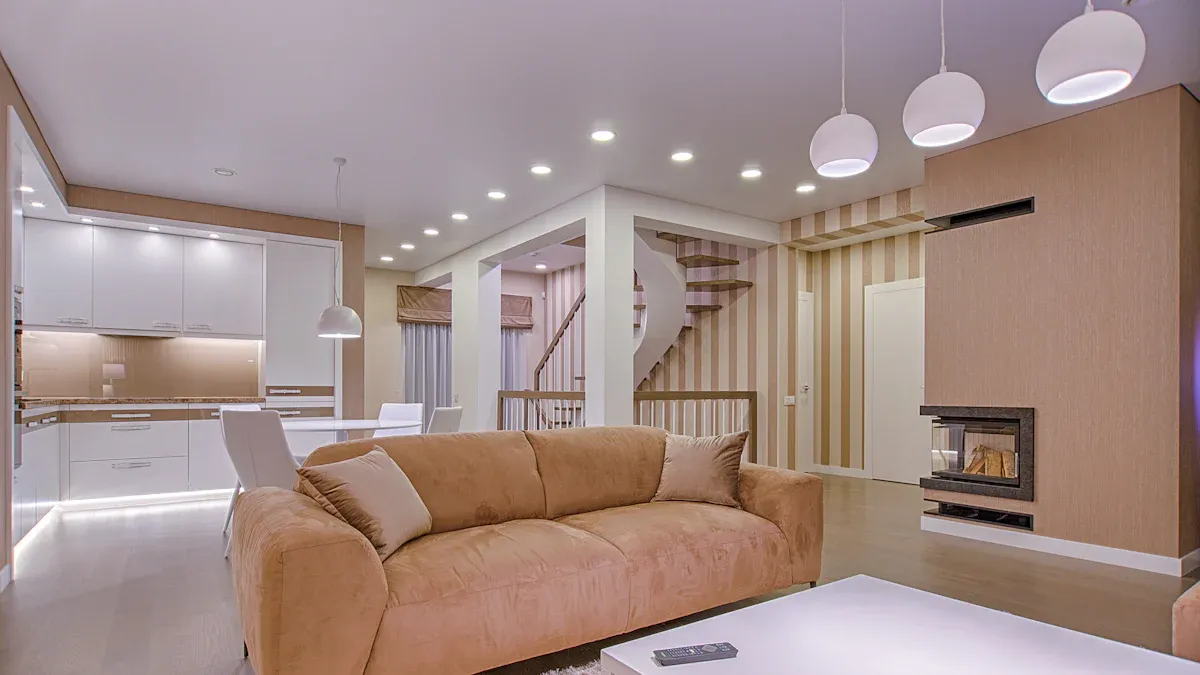
You spend a lot of time in your kitchen, so lighting matters. You want bright, clear light for cooking and cleaning. When you choose the right recessed lighting, focus on both fixture placement and bulb temperature. Interior designers suggest a color temperature between 3000K and 3500K for kitchens. This range gives you a clean, natural look without feeling too cold.
Fixture Size | Trim Type | Bulb Temperature |
|---|---|---|
6-inch | Reflector or Adjustable | 3000-3500K |
Here are some tips for placing your lights:
Put lights 24 inches from the wall and 24-36 inches apart over countertops.
Align lights with the edges of your island, spacing them 12-18 inches apart.
Center a light directly above your sink.
Position downlights between upper cabinets and countertops for even illumination.
Use medium or wide angle beams to highlight both counters and cabinets.
Tip: Place lights slightly in front of where you stand to avoid casting shadows on your workspace.
Reflector trims work well for task lighting, while adjustable trims let you point light exactly where you need it. Kitchens need bright, focused light, so avoid warm bulbs that make food look dull.
Living Room
Your living room is where you relax, watch TV, or hang out with friends. You want a cozy, inviting atmosphere. When you choose the right recessed lighting, go for a warm white bulb with a color temperature between 2700K and 3000K. This range feels soft and relaxing.
Use 4-inch or 6-inch fixtures for general lighting.
Dimmable recessed lights let you change the mood for movie nights or parties.
Baffle trims minimize glare and create a gentle, diffused light.
Match the trim style to your decor. Matte finishes work for modern rooms, while glossy or ornate trims fit traditional spaces.
Fixture Size | Trim Type | Bulb Temperature |
|---|---|---|
4-6 inch | Baffle, Dimmable | 2700-3000K |
Block Quote:
The finish of your trim, whether matte or glossy, changes how light interacts with your space. Dark trims absorb light and can reduce brightness by up to 44%.
You want enough light to see, but not so much that it feels harsh. Layer your lighting with floor lamps or sconces for extra comfort.
Bathroom
Bathrooms need both style and safety. You want lights that handle moisture and give you clear, flattering light. When you choose the right recessed lighting, look for shower trims or moisture-resistant fixtures. Place lights above the shower, tub, and vanity.
Use 4-inch fixtures for small bathrooms and 6-inch fixtures for larger spaces.
Pick a bulb temperature between 2700K and 3000K for a warm, inviting glow.
For tasks like shaving or makeup, use cooler bulbs around 4000K to 5000K near the mirror.
Match the trim to your bathroom style. Chrome or white trims blend in well.
Fixture Size | Trim Type | Bulb Temperature |
|---|---|---|
4-6 inch | Shower, Moisture-resistant | 2700-3000K (general), 4000-5000K (task) |
Note: Always choose moisture-resistant trims to protect against water damage.
Bathrooms need a mix of ambient and task lighting. Place lights evenly to avoid shadows and keep the space feeling fresh.
Bedroom
Your bedroom is your retreat. You want soft, calming light that helps you relax and sleep. When you choose the right recessed lighting, pick bulbs with a color temperature between 2700K and 3000K. This range mimics the glow of old-school bulbs and helps you wind down.
Use 4-inch fixtures for a gentle look.
Dimmable LED recessed lights let you adjust brightness for reading or getting dressed.
Baffle trims work well to soften the light.
Aim for 400 to 800 lumens per fixture for a cozy feel.
Fixture Size | Trim Type | Bulb Temperature | Lumens |
|---|---|---|---|
4 inch | Baffle, Dimmable | 2700-3000K | 400-800 |
Tip: Dimmable lights give you control over the atmosphere, making your bedroom perfect for any mood.
Place lights around the perimeter of the room, not directly above the bed, to avoid harsh shadows.
Hallway
Hallways connect your home, so you want them safe and welcoming. When you choose the right recessed lighting, focus on even coverage and avoiding glare.
Use 4-inch fixtures for narrow spaces.
Space lights about four feet apart for an 8-foot ceiling.
Wall-recessed lights or ultra-slim wall lamps work well in tight corridors.
LED strips on the ceiling or wall add a modern touch without making the space feel crowded.
Pick a bulb temperature between 3000K and 3500K for clear visibility.
Fixture Size | Trim Type | Bulb Temperature |
|---|---|---|
4 inch | Slim, Wall-recessed | 3000-3500K |
Block Quote:
The interplay between light and shadow can either enhance or detract from visibility in a hallway. Balance is key for safety and style.
Layer your lighting with wall sconces at eye level for extra brightness. Avoid placing fixtures too close together to prevent overlighting.
Laundry Room
Laundry rooms need bright, practical light. You want to see stains, sort clothes, and work safely. When you choose the right recessed lighting, pick bulbs that mimic daylight for the best visibility.
Use 6-inch fixtures for broad coverage.
Choose a crisp white bulb with a temperature around 4000K to 5000K.
Reflector trims help spread light evenly.
Add under-cabinet lights for focused tasks like folding or ironing.
Fixture Size | Trim Type | Bulb Temperature |
|---|---|---|
6 inch | Reflector | 4000-5000K |
Tip: Bright, energy-efficient LEDs save power and keep your laundry room well-lit.
Place fixtures overhead to reduce shadows. Use trims that match your cabinets for a clean look.
Installation and Mistakes
Common Errors
You want your recessed lighting to look great and work well. Sometimes, small mistakes can make a big difference in how your room feels. Here are some common errors you should watch out for:
Inadequate Planning: If you skip making a layout, you might end up with uneven lighting or dark spots.
Ignoring Ceiling Height: When you forget about ceiling height, you can get glare in low ceilings or not enough light in high ones.
Choosing the Wrong Color Temperature: Picking a bulb that is too cool or too warm can change the mood of your space.
Overlooking Dimming Options: Without dimmers, your rooms may feel harsh and less inviting.
To avoid overlighting and unwanted shadows, try these steps:
Measure your room’s length and width. Think about the shape and size.
Use the spacing formula from earlier to figure out the best distance between fixtures.
Keep your lights about 3 feet from any wall. This helps prevent harsh shadows.
In kitchens, set recessed lights 18 to 22 inches from cabinets. You’ll get better light for cooking and cleaning.
Tip: Good planning and careful placement help you create a balanced, comfortable space.
Energy Tips
LED recessed lighting saves you money and helps the planet. You can cut your energy use by up to 75% compared to old incandescent bulbs. In some homes, switching to LEDs drops electricity use by 90%. That’s a big difference!
Here’s a quick table to show why LEDs are a smart choice:
Feature | Description |
|---|---|
Energy Efficiency | LEDs use much less energy than traditional bulbs. |
Longevity | Most LEDs last over 50,000 hours, so you change bulbs less often. |
Minimal Heat Output | LEDs stay cool, which keeps your rooms comfortable and lowers cooling costs. |
IC-rated | Safe for direct contact with insulation, boosting efficiency. |
Dimmable LED lights give you even more control. You can adjust the brightness for any mood or activity. Dimming also saves extra energy, making your home eco-friendly.
Block Quote:
Dimmable LEDs offer flexible lighting and can reduce energy use by up to 90%. You get comfort and savings at the same time.
Choose LED fixtures with dimming features and IC ratings for the best results. You’ll enjoy bright, efficient lighting that fits every room in your home.
Picking the right recessed lighting for each room helps your home feel comfortable. When you choose lighting that fits your needs, you get:
More comfort and style in every room
Save energy and pay less for bills
Light spreads out with fewer dark spots
Here are some easy ways to plan your lighting upgrade:
Strategy | Benefit |
|---|---|
Room-specific lighting | Best light for every activity |
LED bulbs | Use less energy and last a long time |
Smart controls | Change lights easily and set them to turn on or off automatically |
Dimmable fixtures | Change the brightness for any time |
Want to make your home brighter? Use these ideas and try tools like lighting calculators to help your project work well!
FAQ
What size recessed light should you use in a small room?
You want to use 4-inch recessed lights in small rooms. These lights give you enough brightness without making the space feel crowded. Try spacing them about four feet apart for even coverage.
Can you mix warm and cool LED bulbs in one room?
You can mix them, but it might look strange. Warm bulbs create a cozy vibe. Cool bulbs feel bright and alert. Pick one temperature for each room to keep things simple.
How do you avoid shadows with recessed lighting?
Place your lights away from walls and corners. Space them evenly across the ceiling. If you want to highlight a wall, aim the light at the surface. This helps you get rid of dark spots.
Are dimmable LED recessed lights worth it?
Yes! Dimmable LEDs let you change the brightness for any mood or activity. You save energy and make your rooms more comfortable. Most people love having this option.
What does “IC-rated” mean for recessed lighting?
IC-rated means your light fixture is safe to touch insulation. You need IC-rated lights for ceilings with insulation. This keeps your home safe and energy efficient.
See Also
Finding Ideal LED Bulbs for Various Light Fixture Types
Understanding Recessed Lighting: Options, Setup, and Design Tips
Enhancing Recessed Ceilings: Effective Lighting for Architectural Appeal
Selecting the Best LED Replacement Lights for Home or Business
Picking Suitable Outdoor Commercial Lighting for Your Business Needs