Common Flood Light Questions Answered

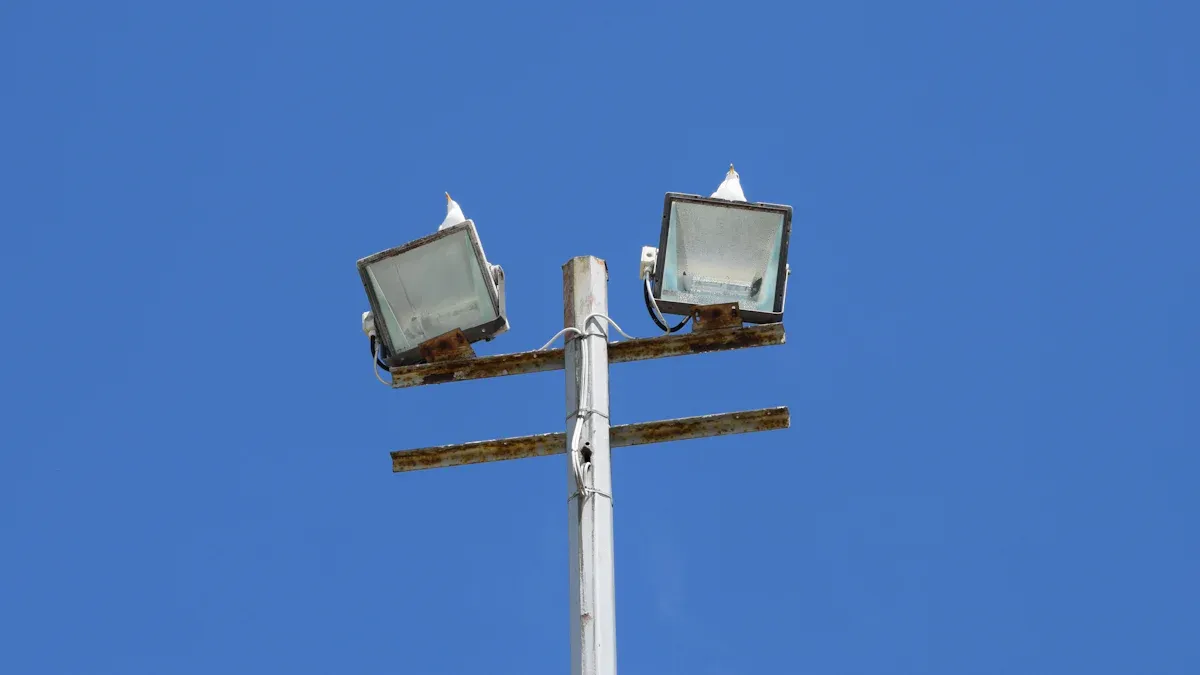
You might wonder what a floodlight does. It’s a powerful light that shines a wide beam, perfect for outdoor lighting. You’ll see these lights brighten up Home driveways, yards, or any outdoor space. If you have flood light questions, you’re in the right spot. People ask flood light questions all the time. Some flood light questions help you pick a Product. Other flood light questions are About Us or how to install them. Ask your flood light questions here!
Key Takeaways
LED flood lights are a great pick for outdoor lights. They use less power. They last a long time. You save money on your electric bill.
Think about how bright the flood lights are. Look at the lumens. For homes, pick 1,000 to 6,000 lumens. For businesses, choose 8,000 to 20,000 lumens.
Motion sensor flood lights help keep places safe. They turn on when they see movement. This saves energy and protects your property.
Flood Light Questions: Types And Features
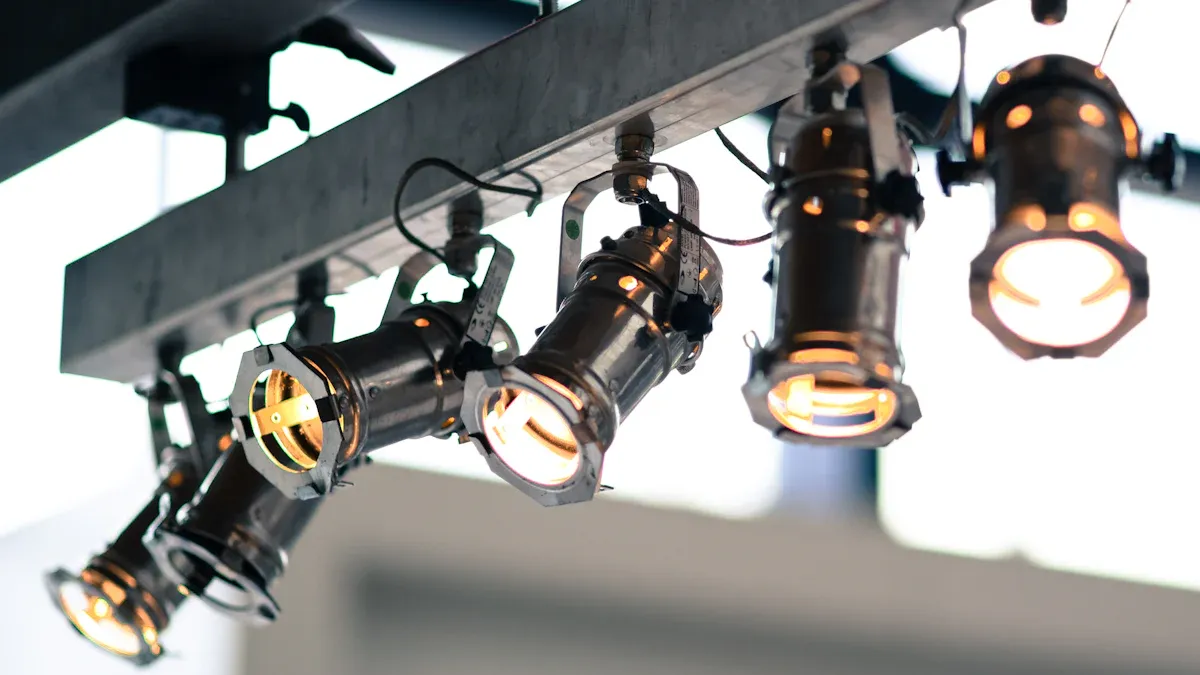
You probably see floodlight lights everywhere, but you might wonder what makes each type different. Let’s break down the main kinds you’ll find for outdoor lighting and see what features matter most.
LED Flood Lights
If you want bright, reliable outdoor lighting, led flood lights are the top choice. You get powerful light with very little energy use. Led flood lights can shine up to 150 lumens per watt, which means they use much less electricity than older bulbs. You’ll notice that led flood lights last a long time—sometimes up to 50,000 hours or more. That means you won’t have to change bulbs often.
Led flood lights come in many styles. You’ll find standard led floodlights, RGB led flood lights for color effects, high-power led flood lights for big spaces, and motion activated led flood lights for security. Dusk-to-dawn led flood lights turn on automatically when it gets dark. These options make led flood lights perfect for almost any outdoor space.
Tip: Switching from halogen to led flood lights can save you up to 90% on energy costs. You’ll also spend less on replacements because led flood lights last up to 25 times longer than old bulbs.
Halogen Flood Lights
Halogen floodlight lights used to be popular for outdoor lighting, but they use much more energy. Halogen bulbs only give you about 15 lumens per watt. You’ll need to replace them every 2,000 to 4,000 hours, so they don’t last as long as led flood lights. Halogen floodlights do give off a warm light, but they get hot and aren’t as efficient.
If you’re thinking about cost, halogen flood lights might seem cheaper at first. Over time, though, you’ll pay more for electricity and new bulbs. Led flood lights are a better choice for saving money and energy.
Solar Flood Lights
Solar floodlight lights are great if you want to use less electricity. These lights use energy from the sun, so you don’t need to plug them in. Solar flood lights help you lower your utility bills and reduce your carbon footprint. They work well for outdoor spaces where wiring is hard or where you want eco-friendly lighting.
You’ll find solar flood lights with led bulbs, which means you get bright light and long life. They’re perfect for gardens, driveways, or any outdoor area that gets sunlight during the day.
Motion Sensor Flood Lights
Motion sensor floodlight lights are smart for security and energy savings. These lights only turn on when they detect movement, so you don’t waste power. You can use motion sensor led flood lights to light up your yard, driveway, or entryway when someone walks by. This feature helps keep your outdoor space safe and saves energy compared to lights that stay on all night.
Note: Motion sensor flood lights are a great way to get bright outdoor lighting only when you need it.
Key Features
When you shop for floodlight lights, you’ll see lots of features. Here are some things to look for:
Energy Efficiency: Led flood lights use much less energy than halogen bulbs. Solar flood lights don’t use electricity at all. Motion sensor flood lights only turn on when needed.
Bulb Types: Common bulb shapes include BR30 and R20. These fit most outdoor fixtures.
Base Types: You’ll often see E26 and E27 bases. These are standard and fit most sockets.
Durability: Led flood lights are built to handle rain, wind, and cold. They work well for outdoor lighting all year.
Brightness: Led flood lights give you high lumen output, so you can light up large outdoor areas easily.
Smart Features: Some led flood lights connect to apps or smart home systems. You can control them from your phone.
Here’s a quick look at how long different floodlight lights last:
Floodlight Type | Typical Lifespan (hours) |
|---|---|
LED Floodlights | 25,000 to 150,000 |
Halogen Bulbs | 2,000 to 4,000 |
Incandescent Bulbs | Around 1,000 |
And here’s how led flood lights compare to halogen flood lights:
Feature | LED Flood Lights | Halogen Flood Lights |
|---|---|---|
Energy Use | Uses 75% less energy | Higher energy consumption |
Lifespan | Lasts 25 times longer (up to 50,000 hours) | Shorter lifespan |
Cost Savings | Can save up to $100 per year | Higher long-term costs |
If you want the best outdoor lighting, led flood lights give you bright light, save you money, and last a long time. You can choose from many types of led floodlights to fit your needs, whether you want color, motion sensors, or smart controls. Solar and motion sensor flood lights help you save even more energy. Halogen flood lights work, but they cost more to run and replace.
Selecting The Right LED Flood Light
Choosing the best floodlight for your space can feel confusing, but you can make it simple by focusing on a few key things. Let’s walk through what matters most when you’re selecting the right led flood light for your home or business.
Brightness And Lumens
When you shop for led flood lights, you’ll see the word lumens everywhere. Lumens measure how much light a bulb gives off. The higher the lumens, the brighter your floodlight will be. You want enough brightness to cover your space, but not so much that it feels harsh.
For most homes, you’ll need between 1,000 and 6,000 lumens. This range works well for lighting up driveways, patios, and backyards.
For commercial spaces, like parking lots or warehouses, you’ll want 8,000 to 20,000 lumens or even more. These areas need high lumen output to keep everything safe and visible.
Tip: Always check the lumens, not just the wattage. Led flood lights use less power but can still give you a lot of brightness.
Beam Angle
The beam angle tells you how wide the light spreads. A narrow beam focuses light on a small spot, while a wide beam covers a bigger area. Picking the right beam angle and coverage helps you avoid dark corners or wasted light.
Beam Angle Type | Coverage Area Description |
|---|---|
Narrow Beam (10° to 25°) | Focuses light on specific areas, great for highlighting trees or statues. |
Medium Beam (25° to 60°) | Balances focused light and wider coverage, perfect for walkways and walls. |
Wide Beam (60° and above) | Covers large spaces with even light, ideal for driveways, patios, and open yards. |
If you want to light up a big area, go for a wide beam. For accent lighting, a narrow beam works best. Think about where you need coverage before you buy.
Color Temperature
Color temperature changes how your led floodlights look and feel. It’s measured in Kelvin (K). Some spaces need a cool, bright light, while others look better with a softer glow.
Application Type | Color Temperature Range | Benefits |
|---|---|---|
Security Lighting | 4000K - 5000K | Makes it easier to see details and improves safety. |
Landscape Lighting | 4500K - 5000K | Gives a modern look and helps you see paths and plants clearly. |
Sports Lighting | 5500K - 6500K | Feels like daylight, perfect for fields and courts. |
Pick a color temperature that matches your needs. For security, go with a cooler, brighter light. For gardens, a slightly warmer tone looks inviting.
Energy Efficiency
Led flood lights stand out for their energy efficiency. You get more light with less electricity. If you want to save money and help the planet, look for high energy efficiency ratings. ENERGY STAR certified led flood lights use at least 90% less energy than old incandescent bulbs. They also last longer and spread light more evenly.
ENERGY STAR led flood lights use advanced tech to lower your power bills.
These models last longer, so you won’t need to replace them as often.
You get high lumen output without wasting energy.
Note: Choosing energy-efficient led floodlights means you save money every month and help reduce your carbon footprint.
Durability And Weather Resistance
Outdoor led flood lights need to handle rain, wind, and temperature swings. You want your floodlight to last through storms and hot summers. Check for durability and weather resistance before you buy.
Specification | Description |
|---|---|
IP Rating | Look for IP65 or higher. This means your floodlight is dust-tight and can handle water jets. |
Material Quality | Die-cast aluminum or tough polycarbonate keeps your led flood lights strong and rust-free. |
Operating Temperature Range | A wide range (like -4°F to 122°F) means your lights work in both freezing and hot weather. |
If you see these features, you know your led floodlights will last longer and keep working, no matter the weather.
Smart Features
Modern led flood lights come with smart features that make your life easier. You can control your floodlight from your phone, set schedules, or even use your voice.
Automation lets you set your led flood lights to turn on or off at certain times.
Customization means you can change brightness or color with an app.
Voice control works with Alexa or Google Assistant for hands-free use.
Smart home integration connects your floodlight to other devices for better security.
Geofencing turns your lights on or off based on where you are.
Advanced security features help protect your home by working with your alarm system.
Pro Tip: Smart led floodlights give you more control and peace of mind. You can adjust settings from anywhere and make sure your outdoor spaces stay safe and bright.
When you focus on brightness, lumens, beam angle and coverage, color temperature, energy efficiency, durability and weather resistance, and smart features, you’ll find the perfect led flood lights for your needs. Whether you want to light up your backyard or secure a parking lot, led floodlights offer the flexibility and power you need.
Floodlight Lights Uses
Home Security
You want your house to be safe at night. Floodlight lights shine on dark spots and driveways. Led flood lights make it hard for intruders to hide. Many people use floodlight lights with motion sensors for better security. These lights turn on when someone walks by. This gives you peace of mind. Outdoor lighting helps you see when you get home late.
Landscape Lighting
Floodlight lights make your yard look great after dark. You can use led flood lights to show off trees, flower beds, or paths. Here’s how you can plan your landscape lighting for different uses:
Decide if you want safety, security, or beauty.
Pick the right brightness for each spot.
Choose a beam angle that fits your space.
Select a color temperature for the mood you want.
Choose between solar or wired floodlight lights.
Match the style to your yard.
Make sure the lights are tough for outdoor use.
Think about how you will mount the lights.
Led flood lights are good for outside because they last long and handle weather changes.
Sports And Recreation
Floodlight lights are important for sports. You see them light up sports fields, tennis courts, and playgrounds. Led flood lights give bright, even light for safe play. For big games, you need at least 75 foot candles. Local clubs use less, but good lighting keeps everyone safe. Outdoor lighting for sports means you can play after dark.
Industrial And Commercial
Floodlight lights are needed for industrial and commercial uses. Warehouses, factories, and parking lots need strong outdoor lighting for safety and work. Led flood lights help workers see well and lower accidents. In business spaces, floodlight lights also show off buildings and boost security. Rules for these uses focus on less light pollution and saving energy.
Installation And Maintenance
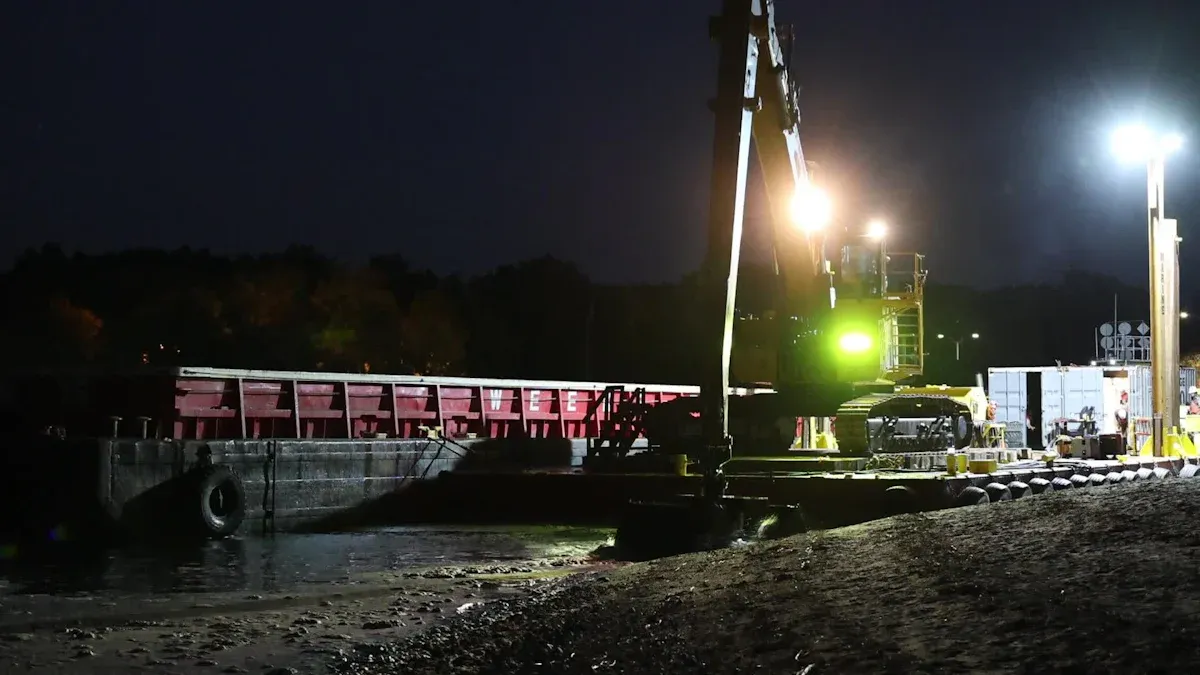
Mounting Options
You have several ways to mount a floodlight for outdoor lighting. Check out this table to see which option fits your space:
Mounting Option | Advantages |
|---|---|
Wall-mounted Flood Lights | Great for patios and driveways. Mounting high reduces shadows. |
Ground-mounted Flood Lights | Perfect for gardens and pathways. Easy to move and adjust. |
Pole-mounted Flood Lights | Best for big outdoor areas. Lights up large spaces from above. |
You can also use knuckle mounts for aiming light, slip fitter mounts for poles, trunnion mounts for steady light near buildings, or U mounts for flexibility.
Wiring Basics
Follow these steps for safe installation:
Turn off the power before you start.
Pick the right spot for your floodlight.
Run wires from your power source to the light. Leave some slack for easy connections.
Match wire colors: black to black, white to white, green or copper together.
If you feel unsure, call a licensed electrician.
Safety Tips
Stay safe during installation. Always check local codes for outdoor lighting. Avoid overloading circuits. Place solar sensors away from trees or bright lights. Weatherproof your fixtures to protect them from rain and snow.
Tip: Overlapping floodlights gives you full coverage and better security.
Cleaning And Care
Regular maintenance keeps your floodlight bright and saves money. Clean lenses and fixtures to remove dust and debris. Check for cracks, rust, or water inside. Test your lights often to catch problems early. Clean lights use less energy and last longer, which means more cost savings.
Troubleshooting Issues
Common problems include flickering, dimming, or water damage. First, check the power and wiring. Look for loose connections or corrosion. Replace burnt-out bulbs right away. If your floodlight still acts up, use a multimeter or call a pro. Proper installation and maintenance lead to more energy efficiency, fewer repairs, and long-term cost savings.
You now know how to pick, install, and care for your flood lights. Keep your lights bright and safe with these tips:
Clean lenses often.
Check for cracks or loose wires.
Test motion sensors.
Trim plants nearby.
If you face tricky wiring or repeated issues, call a licensed electrician. You’ve got this!
FAQ
How do I know what size flood light I need?
Think about your space. For a small yard, 1,000 to 2,000 lumens work well. For a big area, pick 5,000 lumens or more.
Can I install a flood light myself?
You can install many flood lights with basic tools. Always turn off the power first. If you feel unsure, call a licensed electrician.
Why does my flood light keep flickering?
Flickering usually means a loose bulb, bad wiring, or power issues. Check the bulb and connections. If it keeps happening, ask a pro for help.
See Also
Proven Strategies for Effective Flood Lighting Design
Comprehensive Approaches to Flood Lighting for Any Property
Thorough Overview of LED Street Lighting Innovations
Selecting Optimal Brightness and Coverage for Outdoor Lighting
Essential Aspects to Evaluate for LED Street Light Installation