5 Options for Converting Your Fluorescent Light Fixtures to Energy-Efficient LED Systems

Switching your fluorescent lights to Energy-Efficient LED Systems is simple. You can choose from Type A LED tubes, ballast-bypass tubes, LED retrofit kits, LED-ready T8 fixtures, or LED panel lights. Look at these savings:
Type | Annual Savings |
|---|---|
Households | About $100 |
Businesses | 60% to 70% less cost |
If you want brighter lights at home, you will find the right product. You can ask About Us if you have questions about LED light installation.
Key Takeaways
Changing to LED systems can help homes save about $100 each year. Businesses can save 60% to 70% on lighting costs.
Pick the best LED conversion for your needs. Plug-and-play tubes are good for quick fixes. Ballast-bypass tubes help save energy. Retrofit kits work well for long-lasting solutions.
LED lights last a long time and use less energy. This means lower bills and less work to keep them running. LEDs are a smart choice for homes and businesses.
Top Conversion Options for Fluorescent Light Fixtures
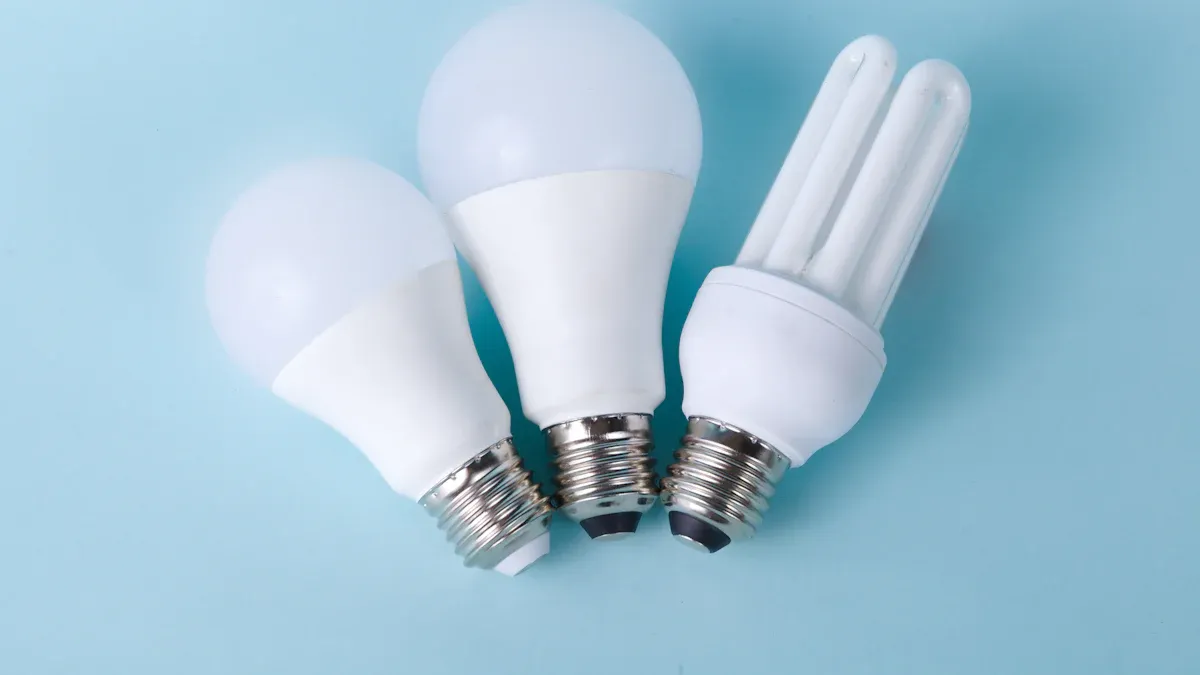
When you want to upgrade your fluorescent light fixtures, you have several great options. Each method offers unique benefits, and you can pick the one that fits your needs best. Let’s break down the top choices so you can see which one works for your home or business.
Type A LED Tubes (Plug-and-Play)
Type A LED tubes, also called plug-and-play tubes, make switching easy. You just remove the old fluorescent tube and pop in the new LED tube. You don’t need to rewire anything. This option works well if you want a quick fix and don’t want to mess with electrical work.
Tip: Plug-and-play tubes save time and money on installation. You can finish the job in minutes.
However, these tubes depend on your existing ballast. Some ballasts may not work well with LED tubes. You might notice flickering or dim light if the ballast is old or not compatible. Plug-and-play tubes also lose some efficiency because the ballast still uses power. If you want the simplest upgrade for your fluorescent light fixtures at home, this is a solid choice.
Ballast-Bypass LED Tubes (Type B)
Ballast-bypass LED tubes, also known as Type B, give you higher energy savings. You remove the old ballast and wire the tube directly to the power source. This step takes more work, but you get better efficiency and fewer problems with flickering.
Safety Note: Always turn off the power before you start. Use the right wires and connectors. Label the fixture to show it has been rewired.
You may pay more upfront for labor, but you save money over time. Ballast-bypass tubes work well for facility managers who want long-term savings and fewer maintenance calls. If you feel comfortable with basic wiring, you can try this at home, too.
LED Retrofit Kits
LED retrofit kits let you keep your old fixture but swap out the inside parts. These kits usually include an LED bulb or module, a trim ring, and a mounting bracket. Some kits come with a driver to control the power. You can install most kits with simple tools, and you don’t need advanced skills.
LED retrofit kits last a long time—up to 50,000 hours. You won’t need to change bulbs often, and you’ll see lower energy bills. Homeowners like these kits because they are easy to use and cost-effective. Facility managers like them for their long lifespan and low maintenance.
LED-Ready T8 Fixtures
LED-ready T8 fixtures are new fixtures made for LED tubes. You remove the old fluorescent light fixture and install the new one. These fixtures give you instant-on performance, bright light, and high energy efficiency. They also work with smart lighting systems.
Benefits: Lower operating costs, less maintenance, and no mercury. You get clean, bright light and can save up to 50% on energy bills.
This option works best if your old fixtures are worn out or you want a fresh look. Facility managers often choose LED-ready T8 fixtures for large projects. Homeowners may pick this option if they want the best performance and don’t mind replacing the whole fixture.
LED Panel Lights and Troffers
LED panel lights and troffers are popular in offices, schools, and stores. They give even, shadow-free light and look modern. You can use them in ceilings to replace old fluorescent troffers.
Application Area | Description |
|---|---|
Offices and Conference Rooms | Uniform light improves visibility and reduces eye strain. |
Healthcare Facilities | Meets strict lighting rules and keeps a clean look. |
Educational Institutions | Lasts long and needs little maintenance—great for classrooms and halls. |
Retail Stores | Makes products look better and creates a nice shopping space. |
Industrial Lighting | Gives efficient, shadow-free light for work areas. |
LED panel lights improve color and reduce flicker. You get a comfortable space with less eye strain. These options are perfect for facility managers who want reliable, high-quality lighting in large spaces.
How to Choose the Right Option?
Homeowners often like plug-and-play tubes, retrofit kits, or LED-ready fixtures because they are easy to install and save money.
Facility managers look for options that last long, need little maintenance, and meet safety codes.
Always check your current fixture and ballast before you pick a solution. The right choice depends on your budget, skill level, and how much you want to save on energy.
Why Convert Fluorescent to LED?
Energy Savings and Cost Reduction
You want to save money and use less energy. Upgrading from fluorescents to LEDs helps you do both. Many places save 50-90% on energy after switching to energy-efficient led systems. LEDs use much less energy than incandescent bulbs. They also use less energy than most fluorescent lights. If you change 100 fixtures in a warehouse, you could save over $16,000 each year. LEDs make less heat, so your HVAC costs go down too. Here’s a quick look:
LEDs last longer, so you don’t buy new ones as often.
You spend less money fixing or replacing lights.
Utility rebates can help you save even more money.
Lighting Type | Lifespan (hours) | Maintenance Frequency |
|---|---|---|
LED | 25,000 - 50,000 | Less frequent |
Fluorescent | 7,000 - 15,000 | More frequent |
Safety and Compliance Benefits
Switching to energy-efficient led systems helps you follow safety rules. LEDs give steady light and good color, so rooms are safer and more comfortable. Many LED products meet strict rules like DLC, Title 24, and BAA/BABA. This means you can get rebates and follow federal rules. LEDs do not have mercury, but fluorescent lights do. Here’s what you get:
Smart controls and sensors can help you save even more energy by turning lights on and off automatically.
Certification Type | Description | Purpose |
|---|---|---|
Initial Technical Evaluation | Checks safety and design | Ensures quality |
Subsequent Testing | Verifies compliance | Confirms standards |
Issuing Certifications | Grants marks | Identifies safe products |
Environmental Impact
When you switch from fluorescent to led, you help the environment. Energy-efficient led systems lower carbon emissions by millions of tons each year. LEDs do not have mercury, so they are safer for the earth. Fluorescent tubes need special recycling because they have toxic materials. LEDs are easier and safer to throw away. You help the planet by:
Lowering carbon emissions
Making less hazardous waste
Having safer recycling choices
When you pick LEDs instead of fluorescent tubes, you help make the world cleaner and greener.
Compare Conversion Options
Pros and Cons of Each Method
When you look at ways to change your lights, you want to know what is good and bad about each one. Here’s a table to help you see the differences:
Conversion Method | Pros | Cons |
|---|---|---|
Plug-and-Play Tubes | Quick to put in, not expensive | Might not fit all lights, could flicker |
Ballast-Bypass Tubes | Saves more energy, no ballast problems | Needs new wiring, takes more effort |
Keeps old fixture, lasts a long time | Might need tools, not always easy | |
LED-Ready T8 Fixtures | Works best, has smart controls | Must replace whole fixture, costs more |
LED Panel Lights/Troffers | Looks modern, light is even, good for offices | Not great for small rooms, costs more |
Each way to convert has good points and bad points. Plug-and-play tubes are simple, but sometimes they do not work with every fixture. Ballast-bypass tubes save more energy, but you have to do some wiring. LED retrofit kits let you keep your old fixture, so you spend less. LED-ready T8 fixtures and panel lights are best for big changes.
Suitability for Different Needs
You want to pick the best way for your space. Here is how each choice fits different places:
Plug-and-play tubes are good for homes and small offices. You can finish fast.
Ballast-bypass tubes are best for warehouses and places that need less fixing.
LED retrofit kits work well in schools and stores. You keep your old lights and get better brightness.
LED-ready T8 fixtures help managers with big projects.
LED panel lights and troffers are great for offices, gyms, and stores. You get bright, even light.
Tip: Always check your light fixture before you start. This helps you save time and avoid problems.
Think about how much money you want to spend, how much work you want to do, and how bright you want your lights. The right choice will make your space brighter and help you save money.
Installation and Cost Tips
Estimate Project Costs
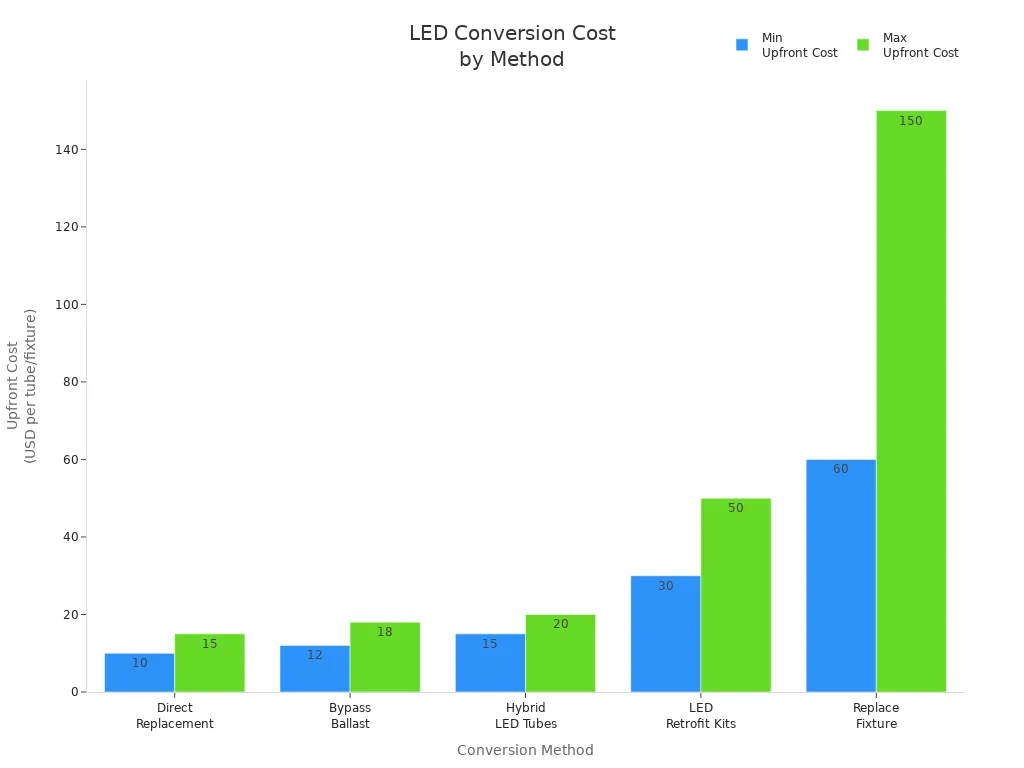
You want to know how much you’ll spend before you start. The price depends on the method you choose. Take a look at this table to compare conversion cost considerations for each option:
Conversion Method | Upfront Cost (Per Tube) | Energy Savings |
|---|---|---|
Direct Replacement LED Tubes (Plug-and-Play) | $10 – $15 | 40-60% |
Bypass Ballast LED Tubes (Direct-Wire) | $12 – $18 | 60-75% |
Hybrid LED Tubes | $15 – $20 | 50-70% |
LED Retrofit Kits | $30 – $50 | 60-75% |
Replacing Entire Fixture with LED Fixtures | $60 – $150 | 70-80% |
You can save even more with rebates. Many utility companies offer money back for energy-efficient upgrades. For example, you might get $4 per LED tube or $33 for each led fixture. Rebates change by state and provider, so check your local rules. If you want cost effective ways to upgrade, always look for rebate-eligible products.
DIY vs. Professional Installation
You might think about doing the job yourself. DIY saves money and gives you control. You feel proud when you finish. But you need to know the risks. Here’s a quick look:
Advantages of DIY Installation | Disadvantages of DIY Installation |
|---|---|
Cost savings | Lack of expertise and equipment |
More control over the project | Potential safety risks |
Sense of accomplishment | No warranties or guarantees |
Greater flexibility | Time-consuming and exhausting |
Tip: If you’re not sure about wiring or safety, call a licensed electrician. Professional help keeps you safe and makes sure your led fixture meets code.
Step-by-Step Overview
Ready to start? Here’s a simple guide:
Turn off power at the circuit breaker.
Use a voltage tester to make sure the power is off.
Wear safety goggles and use insulating tools.
Remove old tubes or fixtures.
Install new LED tubes, magnetic led strips, or retrofit kits.
For complete fixture replacement options, follow the manufacturer’s instructions.
Check your work and turn the power back on.
Safety first! Handle all parts carefully and avoid sharp edges.
You can finish most upgrades in a few hours. If you want the best results, plan your budget and pick the right method for your space.
Benefits of Energy-Efficient LED Systems
Long-Term Value
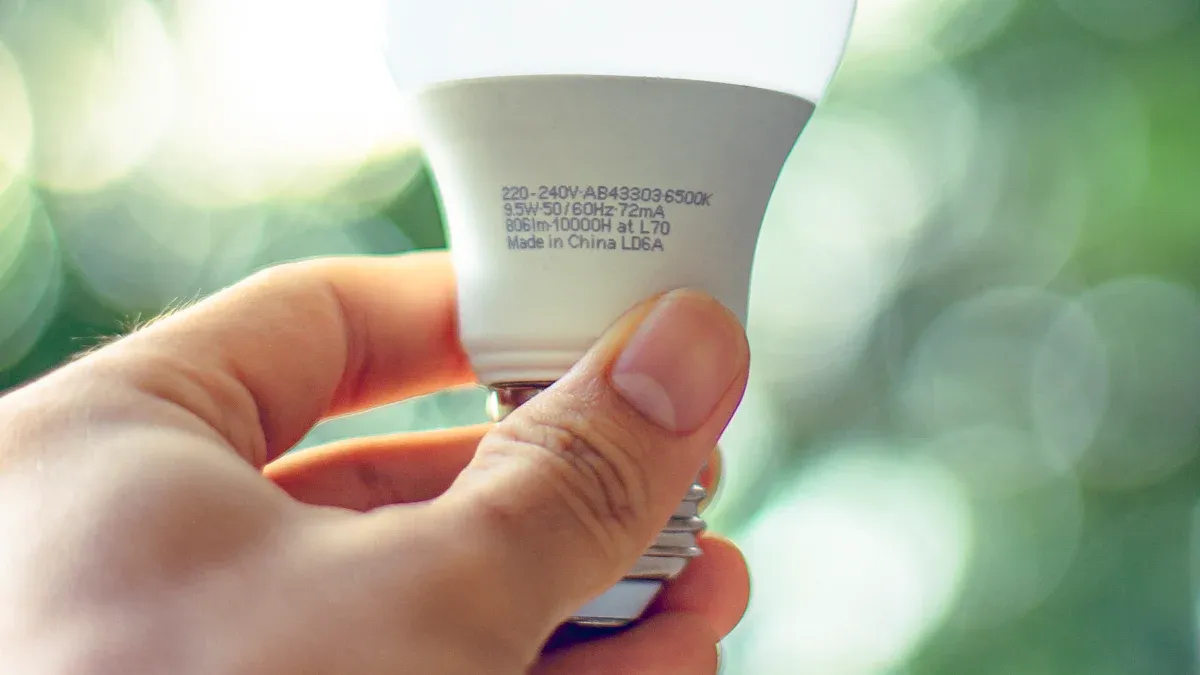
Switching to energy-efficient LED systems helps you save money over time. You might see a higher price at first, but you get your money back fast. LEDs use up to 75% less energy than old bulbs. This means your electric bill goes down every month. LEDs last much longer than incandescent bulbs—up to 25 times longer. You will not need to change bulbs for years. If you own a business or take care of a building, you save even more. You do not have to replace bulbs as often, so you spend less time fixing lights. A normal family can save hundreds of dollars each year. Smart lighting controls help you save more by turning off lights when you do not need them. These systems are good for the planet because they use less power and make less trash.
Fewer bulb changes
Less maintenance work
More control with smart lighting controls
You can relax knowing your lights will last and help you save money.
Improved Lighting Quality
LED systems make your rooms look brighter and nicer. When you turn on the light, it is bright right away. You do not have to wait for it to warm up. LEDs show colors well, so things look real and natural. If you use a troffer retrofit kit in your office, colors will stand out more. Smart lighting controls let you change how bright the lights are for different things. You can make the room brighter for homework or dimmer for watching movies. Fluorescent lights sometimes make things look blue or green, but LEDs keep colors true.
Feature | LED Systems | Fluorescent Systems |
|---|---|---|
Color Rendering Index (CRI) | Ranges from 65 to 95 | Typically between 62 and 80 |
Brightness | Instant full brightness | Requires warm-up period |
Color Accuracy | Excellent, reproduces colors accurately | Can cast bluish or greenish tint |
Smart lighting controls also help you make your space comfortable. You can dim the lights for movie night or make them bright for reading. With LED systems, you get better light and more choices for every room.
You get brighter rooms, lower bills, and less hassle when you switch to LED systems. Take a look at your fixtures and pick the best option for your space. Want more help? Check out LED products or talk to an expert. You can start saving today!
FAQ
How do I know which LED conversion option fits my fixture?
Check your fixture type and ballast. You can read the label or ask a lighting expert. Most LED tubes list compatible fixtures on the packaging.
Can I install LED tubes myself?
You can install plug-and-play tubes easily. For ballast-bypass or new fixtures, you should call an electrician for safety.
Will LED lights save me money right away?
You start saving on your energy bill as soon as you switch. LEDs use less power and last longer than fluorescent bulbs.
See Also
Your Complete Guide to Switching Fluorescent Tubes to LED
Transforming High Bay Lights to Energy-Saving LED Options
An Easy Guide for Switching Fluorescent Tubes to LED
Choosing Energy-Saving LED Solutions for Commercial Track Lighting
Top 10 Considerations for Installing LED Street Lighting Systems