Direct-Fit LED Bulbs to Replace Fluorescent

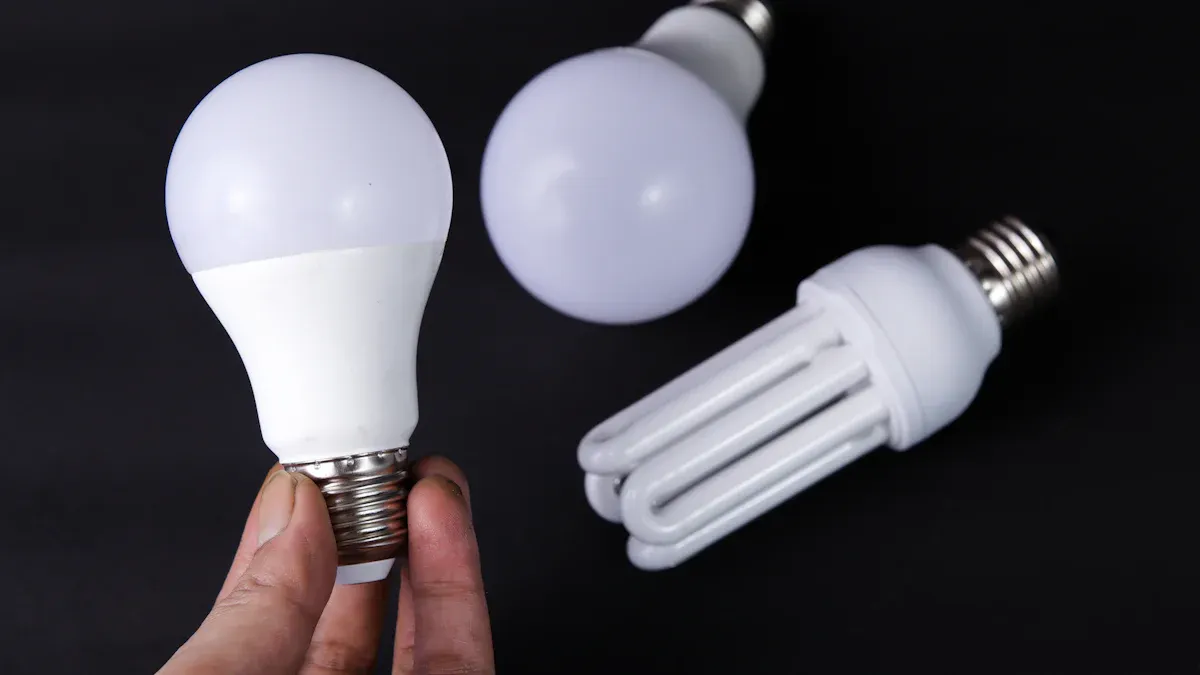
You can easily replace fluorescent tubes like T12 and T8 with direct-fit led bulbs in your Home. This switch brings clear benefits:
You save up to 80% on energy bills because Led Light tubes use about half the power of traditional options.
Direct-fit led bulbs last much longer.
Specification | LED Tubes | Fluorescent Tubes |
|---|---|---|
Average Lifespan | 30,000 hours | 8,000 hours |
Most people find the process simple. About Us and Product guides often help you get started right away.
Key Takeaways
Using direct-fit LED bulbs can help you save a lot of money on energy bills. You can save up to 80% compared to fluorescent tubes.
LED bulbs last much longer than fluorescent tubes. They work for about 30,000 hours. Fluorescent tubes only last about 8,000 hours.
It is easy to put in direct-fit LED bulbs. You just take out the old tube and put in the new one. You do not need any special tools.
Picking the right LED tube means you need to check if it fits your fixture. You should also think about the size, how bright it is, and how much energy it uses.
LED tubes help lower energy costs. They also make the light better. The light is brighter and stays the same all the time.
What Are Direct-Fit LED Bulbs?

Direct-fit LED bulbs are made to replace old t12 and t8 fluorescent tubes. You can use these bulbs in your current light fixtures. You do not need to change the whole fixture. You just take out the old tube and put in the new one. Direct-fit LED bulbs work with most t12 and t8 tubes. This makes upgrading easy for you.
How Direct-Fit LED Bulbs Work
You use direct-fit LED bulbs to swap out old tubes. First, check your fixture to see if it fits the tube size. Then, choose the right LED tube lights for your fixture. Take out the t12 fluorescent tubes. Put in the new LED tube. This is a fast and simple job. You do not need any special tools. LED tube lights use less energy. They last longer than fluorescent tubes.
Tip: Always check your fixture type before you buy LED tube lights. This helps you avoid mistakes and saves you time.
Here is a table that shows the main differences between integrated LED fixtures and regular LED tube fixtures:
Feature | Integrated LED Fixtures | Usual LED Tube Fixtures |
|---|---|---|
Bulb Replacement | You must replace the whole fixture when it burns out | You only need to change the tube |
Installation | Easy to install, just plug it in | Needs some wiring and you install the tube separately |
Maintenance | Less work, no tubes to change | You change the tube, but keep the fixture |
Customization | Not customizable, color and brightness stay the same | You can pick tubes that fit your needs |
Fixture Life | Lasts about ten years, but you throw away the whole thing | Lasts longer because you can replace parts |
Design Options | Fewer design choices | More designs to choose from |
Types: Plug-and-Play vs. Direct Wire
There are different kinds of LED tube lights. The most popular are plug-and-play, direct wire, type a, type b, type ab, and type c LED tubes. Plug-and-play LED tube lights work with your current ballast. You just take out the old tube and put in the new LED tube. Direct wire LED tube lights need you to skip the ballast and connect the tube straight to power. Type c LED tubes use an outside driver for power. Type ab LED tubes work with both ballasts and direct wiring.
Here is a table that compares plug-and-play and direct wire options:
Feature | Plug-and-Play | Direct Wire |
|---|---|---|
Installation Process | Easy, no need to rewire | Needs rewiring, more steps |
Maintenance Requirements | Depends on the ballast; may need more work | Does not use ballast; needs less work |
Lifespan | Ballast can limit how long it lasts | Lasts longer, ballast does not matter |
Initial Setup Cost | Costs less at first | Costs more because of rewiring |
Reliability | Ballast can cause problems | More reliable, fewer problems |
LED tube lights give you more choices. You can pick the type that works best for you. Switching t12 fluorescent tubes to LED tube lights gives you better light, saves money, and is easier to manage.
Benefits of Direct-Fit LED Bulbs
Energy Savings with LED
Switching to direct-fit LED tube lights saves you money. These tubes use less power than old fluorescent tubes. Many people say LED bulbs use up to 80% less energy than incandescent bulbs. Your energy bills go down each month. Here are some important facts about saving energy:
LED tube lights use 40-60% less energy than fluorescent tubes.
LEDs use about 75% less energy than incandescent bulbs.
You can save about $100 in energy costs for each LED tube.
LED tube lights are a smart choice. They help you spend less and protect the environment.
Longevity and Fewer Replacements
LED tube lights last much longer than regular tubes. You do not need to change them often. Most LED tubes work for up to 50,000 hours. Fluorescent tubes last only 8,000 to 10,000 hours. You save time and money because you buy fewer replacements. You also avoid fixing lights all the time. In places like offices, this means fewer problems and better results.
LED bulbs last five times longer than fluorescent tubes.
Changing bulbs less often saves you money.
Improved Light Quality
LED tube lights give you better light than fluorescent tubes. The light is brighter and stays the same over time. LED bulbs keep working well for a long time. Fluorescent tubes lose up to 40% of their brightness as they get older. LED tubes keep their brightness much longer. They also work well in hot or cold places.
Metric | LED Bulbs | Fluorescent Tubes |
|---|---|---|
Initial Lumen Output | Higher | Lower |
Light Degradation Over Time | Minimal | Up to 40% loss |
Performance Under Temperature | Consistent | Fluctuates |
Cost Savings Over Time
LED tube lights help you save money for years. You pay less for energy and new bulbs. LED tubes last longer, so you buy fewer bulbs. You also spend less on fixing lights. These savings grow over time.
LED tube lights can cut energy use by up to 90%.
Fewer replacements mean you spend less.
Less fixing means more savings and better results.
Note: Direct-fit LED bulbs give you good lighting, save energy, and help you save money at home or work.
Compatibility and Choosing LED Tubes
Checking Fixture and Ballast
You should look at your fixture and ballast before you put in new led tube lights. First, check the tombstones that hold the tubes. Some tombstones are shunted, and some are not. Non-shunted tombstones are found in older fixtures. You can use a voltmeter to test if the tombstone is shunted or not. If you use single-ended led tube lights, do not use them with shunted tombstones. This could cause a short circuit. Double-ended tubes work with both types, but you need to wire them the right way. Some 3-in-1 led tubes fit many fixtures, so it is easier to find a match.
Tip: Always look at the manufacturer's compatibility list for your fixture and ballast before you buy new tubes.
Type of Tube | Description | Compatibility |
|---|---|---|
Type A | Works with existing ballast | Compatible with most fixtures |
Type B | Needs direct wiring, no ballast | Not compatible with ballast |
Selecting the Right Size and Type
Pick led tube lights that fit your fixture size and lighting needs. Think about how bright you want the room to be. Check if the room is hot, cold, or damp, because some tubes work better in certain places. Look at the size, shape, and color temperature of each tube. Compare how much energy each tube uses and how much it costs. Some tubes cost more at first, but they save money later. Make sure you choose tubes that are easy to put in and take care of.
Decide how much light you need.
Think about the room’s temperature and humidity.
Pick the right size and shape for your fixture.
Choose the color temperature that fits your space.
Find energy-saving tubes to help you save money.
Integrated Driver and Ballast Removal
Some led tubes have drivers built inside. These drivers let you connect the tube straight to power, so you do not need a separate ballast. Tubes with built-in drivers work better and have fewer problems. You need to remove the ballast for some tubes, especially type b led tubes. Taking out the ballast helps you save more energy and makes fixing lights easier. Using led tubes with a ballast can waste energy because the ballast uses power. Built-in drivers make installation easy and help the lights last longer.
Configuration Type | Compatibility | Performance Impact |
|---|---|---|
Using Existing Ballast | Works with most fixtures | Lower efficiency, possible issues |
Ballast Bypass | Needs rewiring | No power loss, fewer failures |
T8 led drivers are made for T8 tubes.
Built-in drivers give you lights that do not flicker.
You get longer life and better performance.
Note: Picking the right led tube lights and checking compatibility helps you get the best results and saves you time and money.
How to Replace T12 Fluorescent Tubes with LED
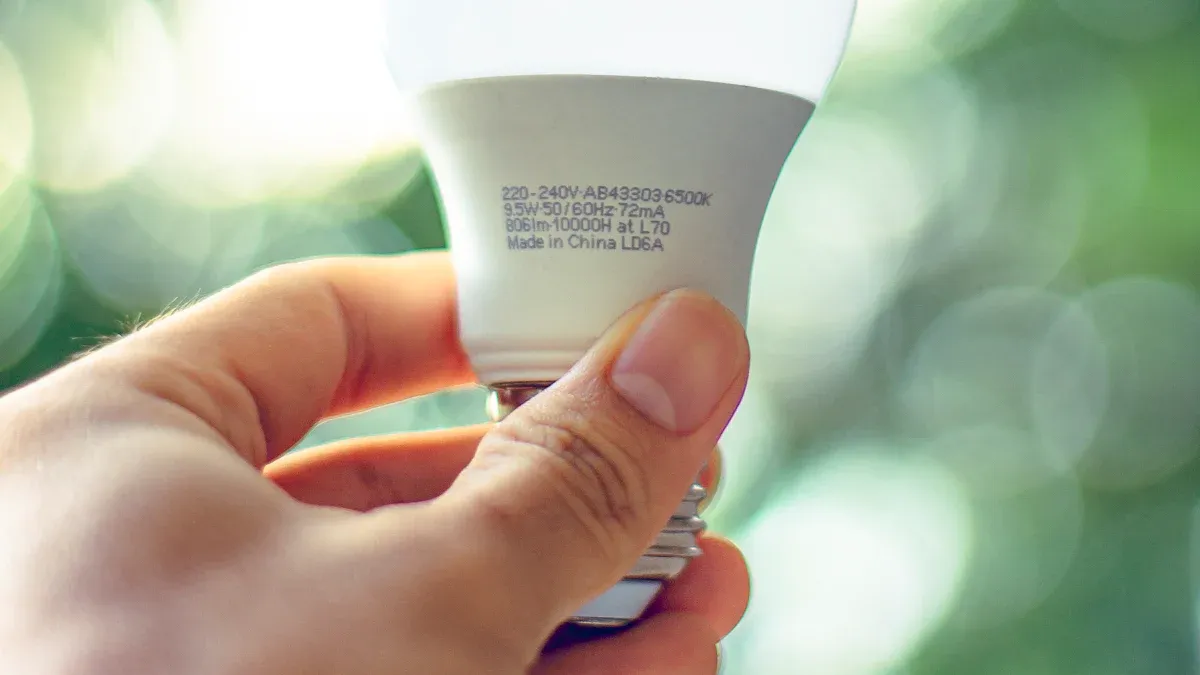
Upgrading your lighting can feel easy when you follow the right steps. You can learn how to replace t12 fluorescent tubes with direct-fit led bulbs by following a clear process. This guide helps you avoid mistakes and get the best results.
Safety Precautions
Safety comes first when you work with electricity. You must protect yourself and your home before you start. Here are important safety tips:
Turn off the power at the circuit breaker before you touch any wires or tubes.
Use a voltage tester to make sure the power is off.
Wear safety glasses and gloves to protect your hands and eyes.
Ask a qualified electrician for help if you plan to bypass the ballast or do direct wiring.
Never rush the job. Take your time and double-check each step.
Tip: If you feel unsure about wiring or electrical work, call a professional. You keep your home safe and avoid costly mistakes.
Removing Old Fluorescent Tubes
You need to remove the old t12 fluorescent tubes before you install new led tubes. Follow these steps:
Turn off the power at the electrical panel.
Wait a few minutes for the tubes to cool down.
Gently twist the t12 fluorescent tubes to release them from the sockets.
Lift the tubes out and set them aside for recycling.
Check the fixture and ballast type. Look for any signs of damage or wear.
Note: Handle the tubes carefully. Fluorescent tubes can break and release harmful chemicals.
Installing Direct-Fit LED Bulbs
You can install direct-fit led bulbs in place of t12 fluorescent tubes. The process depends on the type of led tube you choose. Here is a step-by-step guide:
Identify your current setup. Check if your fixture uses a ballast and what type it is.
Choose the right led tube. Decide if you want plug-and-play (type a led tubes) or ballast bypass (type b led tubes).
For plug-and-play tubes:
Turn off the power.
Remove the old t12 fluorescent tubes.
Insert the direct-fit led bulbs into the sockets.
Restore power and check the light.
For ballast bypass tubes:
Turn off the power.
Remove the old tubes and ballast cover.
Disconnect the wires from the ballast.
Connect the line voltage wires directly to the lamp holders.
Install the new led tube.
Restore power and test the light.
Callout: Always use led tubes designed for your installation method. Using the wrong tube can cause poor performance or damage.
Common mistakes to avoid:
Do not skip checking compatibility between the led tubes and your fixture.
Never use tubes made for plug-and-play in a bypass setup.
Avoid working with wires if you do not understand the process.
Testing and Troubleshooting
After you install the direct-fit led bulbs, you need to test them to make sure they work well. Follow these steps:
Turn off the power before you touch the tubes.
Remove the led tube if you see any issues.
Insert a known working tube to check if the fixture works.
Restore power and observe the light output.
Compare the brightness and color to your old t12 fluorescent tubes.
If you see flickering or dim light, inspect the tube and fixture for damage.
Use a multimeter to check voltage and wiring continuity.
Make sure the led tube matches your fixture and ballast type.
Check the ballast if you use plug-and-play tubes. Replace or bypass it if needed.
Look at the environment. Make sure the fixture has good ventilation and fits the temperature range for your tubes.
Tip: If you cannot fix the problem, ask a professional for help. You protect your home and get reliable lighting.
You can enjoy better light and save energy when you follow these steps. Direct-fit led bulbs make it easy to upgrade from t12 fluorescent tubes. You get long-lasting, efficient lighting with less hassle.
Troubleshooting and FAQs for LED Tubes
Flickering or Not Working
If your LED tubes flicker or do not turn on, you can fix most problems by following a few steps. Start by checking the power supply. Make sure it works and sends power to your fixture. Next, confirm that you installed the LED bulbs correctly. Inspect for loose connections, as these can stop the bulbs from working.
Here are common causes of flickering and how you can solve them:
Loose Connections: Secure all wires and sockets.
Voltage Fluctuations: Use a voltage stabilizer if your home has unstable power.
Incompatible Dimmer Switches: Only use dimmers made for LED bulbs.
Poor Quality LED Bulbs: Choose high-quality bulbs for better results.
Faulty Drivers: Replace any broken drivers.
Electrical Grid Issues: Ask a professional for help if you suspect grid problems.
Tip: Always turn off the power before you check or fix your lighting.
Ballast and Compatibility Issues
Ballast problems can affect how your LED tubes work. If you keep an old or incompatible ballast, you may see flickering, low brightness, or wasted energy. You can bypass or replace the ballast to help your LED tubes work better. This step lets your bulbs reach their full brightness and saves more energy.
Keeping an incompatible ballast causes problems.
Bypassing or replacing the ballast improves performance.
You get more reliable lighting and save money.
Warranty and Support
Most major manufacturers offer strong warranty and support for LED tubes. For example, LED Global Supply gives you a 10-year warranty. This covers defective parts, labor, and materials. The warranty does not cover problems from incorrect installation, misuse, or visible damage. You can start a claim by calling a toll-free number or using an online form. If your claim is approved, you get a replacement shipped at no extra cost.
Note: Always read the warranty details before you buy. This helps you know what is covered and how to get support.
Frequently Asked Questions
You may have questions about installing and using LED tubes. Here are answers to common questions:
Do you need to replace the fixture? No, most LED tubes fit your current fixture, but check ballast compatibility.
Are LED tubes dimmable? Some are, but you need the right dimmer.
How much energy do you save? You can cut energy use by up to 60% when you switch from fluorescent tubes.
What color temperature should you choose? Pick from warm white (3000K-3500K), neutral white (4000K), or daylight (5000K-6500K).
What retrofit options do you have? Plug-and-Play (Type A), Ballast Bypass (Type B), and Hybrid (Type A/B).
Do you need to remove the ballast? Type A tubes do not need removal, Type B tubes do.
Are Type B LEDs safer? They avoid ballast failures but need correct wiring.
Can you mix fluorescent and LED tubes? No, do not mix them in the same fixture.
Do you need new lamp holders? Many Type B tubes need non-shunted lamp holders.
Callout: Always follow the instructions for your LED tubes to get the best results and keep your lighting safe.
Switching to direct-fit LED bulbs helps you in many ways. You use less energy and save money. The light in your room gets brighter. Your bills go down each month. You help the planet by making less pollution. If you need help, you can look for online guides. Manufacturers also give support and tips to fix problems. Changing your lights is easy and feels good.
FAQ
Can you use LED tubes in any fluorescent fixture?
You can use LED tubes in most fluorescent fixtures. Always check the type of ballast and socket first. Some LED tubes need you to remove the ballast. Read the product label to make sure your fixture matches the LED tube.
Do LED tubes work with dimmer switches?
Most LED tubes do not work with standard dimmer switches. If you want dimming, choose LED tubes marked as "dimmable." Use a compatible LED dimmer for best results. Regular dimmers may cause flickering or damage.
How do you dispose of old fluorescent tubes?
You should not throw fluorescent tubes in the trash. Take them to a recycling center or a store that accepts used bulbs. Fluorescent tubes contain mercury, which can harm the environment if not handled properly.
What color temperature is best for home use?
For most homes, you may like 3000K (warm white) for living rooms and bedrooms. Choose 4000K (neutral white) for kitchens and work areas. Daylight (5000K-6500K) works well in garages or workshops.
See Also
Your Complete Guide to Swapping Fluorescent Tubes for LED
Measuring LED Tubes: Choosing the Perfect Replacement Options
Transforming High Bay Lights with Energy-Efficient LED Solutions