Enhancing Building Aesthetics with Architectural Area Lighting

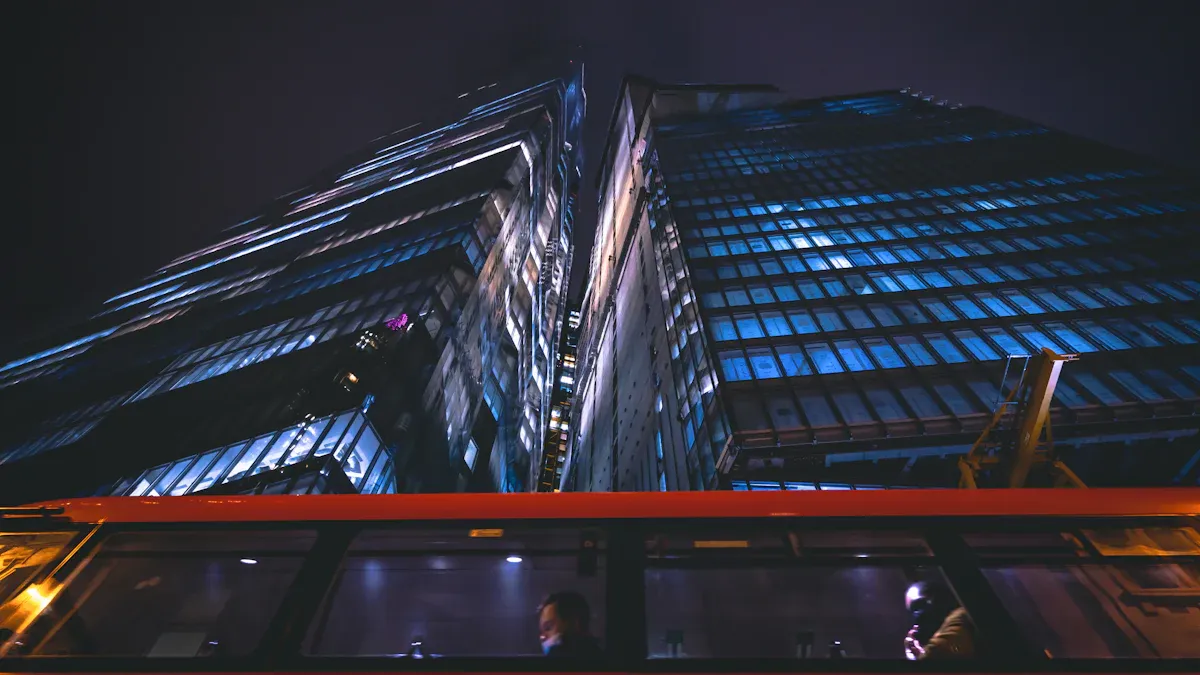
Imagine you walk past a building at night. The right lighting makes the walls glow and turns simple shapes into something stunning. You notice how lighting not only helps you see but also gives the building a new personality. Many homeowners feel the same way—three out of four say outdoor lighting boosts property value, and it can add up to 20% more value to your Home. Urban studies show that lighting changes how you see cityscapes, too. Take a look:
Findings | Description |
|---|---|
Impact of Artificial Lighting | Nighttime visual attention jumps when lighting highlights facades and spaces. |
CCT Effects | The color temperature of lighting shapes how you feel about a place at night. |
Lighting works as both art and tool. It brings out the best in Building Aesthetics, guides your path, and makes you feel safe. When you choose the right Led Light for your Product, you shape how people see and remember your space. About Us? We believe lighting is more than just brightness—it's a design statement.
Key Takeaways
Architectural area lighting makes buildings look better by showing off features and making the place feel nice at night. Using the right color temperature helps set the mood. Warm light feels cozy. Cool light feels fresh and lively. Energy-efficient lighting, like LEDs, saves money and helps the environment. It also makes the building look better. Using different types of lighting, like ambient, task, and accent, adds depth. This makes spaces feel more inviting. Good lighting design should fit the building's style. It should be planned early to make everything look good together.
Architectural Area Lighting Overview
Defining Architectural Lighting
When you see architectural area lighting, you notice more than lights. It mixes art and science together. Designers use lighting to change how you feel in a space. They think about the building, the area around it, and your feelings. Architectural lighting is not only about making things bright. It uses light to show off beauty, guide your eyes, and set a mood. Buildings can look very different at night. That is what architectural area lighting does. It uses skill and creativity to make places special.
You can see many kinds of architectural area lighting in today’s designs. Here is a quick list:
Category | Description |
|---|---|
Facade Lighting | Makes a building look better by lighting up the front. |
Wall Washer | Gives walls a soft light using long fixtures near flat surfaces. |
Floodlights | Strong lights that shine on big buildings and use a lot of power. |
Media Facade Lighting | Uses special LEDs to make cool light effects on building fronts. |
Linear Facade Lighting | Lights up the edges of buildings, different from floodlights. |
Spotlights | Easy lighting that works in many places. |
Recessed Lighting | Often used inside buildings in architectural design. |
Panel Lighting | Big light boxes that go on ceilings. |
Wall Lighting | Uses many kinds of lights and styles to decorate walls. |
Natural Light | Using sunlight is important for good architectural lighting. |
Purpose in Building Aesthetics
Architectural area lighting does more than help you see. It changes how you feel about a building. Here are some ways it helps:
Makes a space feel different and sets the mood.
Shows off special parts, like columns or textures.
Changes a space and makes it more fun to be there.
Sets the mood with color, brightness, and how light spreads.
Helps your eyes move and find your way.
Shows the building’s style and tells its story.
Makes places like restaurants and hotels feel special.
When you use architectural area lighting, you make a plain building stand out. You give it style and personality. You also help it feel safe and friendly at night. That is why lighting is so important in architectural design.
Aesthetic Impact of Lighting
Enhancing Building Features
Lighting can change how people see a building. When you light up certain spots, those parts stand out. Columns and textures become easy to notice. Some walls look plain in the daytime. At night, architectural area lighting shows every detail. Designers use floodlights and wall washers for this. These lights do more than make things bright. They help you see the beauty in the building’s materials and design.
A study found that architectural lighting makes buildings look better at night. Floodlighting is especially good for this. The right lighting design can lower light pollution by almost 80%. It can also save 65% of energy. This means buildings look nicer and help the planet. Architectural area lighting creates a visual order. People see the most important parts first. It also makes materials like stone, glass, or metal look richer.
Tip: Use led fixtures to highlight textures or patterns. You will notice how spaces look better with just a few changes.
Here are some ways lighting helps buildings:
It makes special shapes and lines stand out.
It makes textures easy to see, especially on facades.
It helps people notice details in the design.
It adds depth and makes buildings look less flat.
It turns regular buildings into landmarks at night.
The Solomon R. Guggenheim Museum is a good example. Lighting works with its curves and surfaces. The building looks even better after dark. Designers use software to test lighting before installing it. This helps them get the best look and save energy.
Creating Ambiance and Identity
Lighting does more than show off building features. It sets the mood and gives each building its own style. You can make a space feel warm or cool by changing the lighting. Architectural area lighting lets you create different zones with different feelings. You might want a cozy spot or a bright plaza. The way you use light changes how people feel and act.
Lighting design is important for building identity. The Clé D’or project in the Mall of the Emirates is a good example. Designers used layers of lighting to make the retail space feel special. They used different lights to create private areas but kept them connected to the mall. You can do this in your own projects. Use architectural area lighting to make your building stand out.
Lighting helps you set the mood for each space.
You can use color and brightness to change how a place feels.
It gives your building a look people remember.
It connects inside and outside spaces, making them feel whole.
Façade lighting makes buildings stand out in the city. It helps create a visual order and gives each building its own style. When you mix lighting with building features, you add character to the city. People notice your building and it becomes part of the community’s story.
Note: Good lighting design is just as important as the building itself. The way light works with materials, colors, and textures changes how people feel in a space.
When you focus on lighting, you do more than make things easy to see. You change how people feel, move, and remember your building. That is the real power of architectural area lighting in building aesthetics.
Facade and Exterior Lighting

Highlighting Materiality
Lighting can make a building look exciting at night. Architectural area lighting helps show what the building is made of. Light does more than make things bright. It works with stone, glass, metal, and wood in special ways. Shiny surfaces glow and reflect light. Rough surfaces look different when light touches them. This makes the building stand out and feel special.
Here are some ways lighting shows materiality:
Light moving across brick or stone shows every bump.
Light shining through glass or onyx lets you see inside.
Shadows from lights help you see how deep a wall is.
Shiny metal makes bright spots that grab your attention.
Architectural lighting can change how you feel about a place. The Newton Library uses materials to spread light softly. The Museum of Contemporary Art uses onyx panels that glow from behind. You can use these ideas to make your building unique.
Nighttime Transformation
When the sun sets, architectural area lighting changes how a building looks. You see details you might miss during the day. The building can become a landmark in your area. Good lighting helps you see and makes the space safer. It also makes the building feel welcoming.
Here is how facade lighting helps at night:
Benefit | Description |
|---|---|
Increased Visibility | Lighting makes the building easy to see and keeps people safe. |
Guidance | Lights show you where to go, leading you to doors and paths. |
Highlighting Features | Special lights draw attention to cool parts of the building, making it stand out. |
Adaptability | You can change the colors or patterns for holidays or events, giving the building new life. |
Architectural lighting lets you use color and brightness in fun ways. You can make a building feel warm or bold. Architectural area lighting helps your building look special at night. This is important for building aesthetics and helps your building become part of the city’s story.
Design Considerations for Building Aesthetics
Fixture Selection and Placement
When you plan architectural area lighting, you must pick fixtures. You also need to decide where to put each light. These choices change how your building looks and feels. Lighting should do more than make things bright. It should show off the best parts of your building and help building aesthetics.
Here’s a table to help you choose fixtures:
Factor | Description |
|---|---|
Illuminance (Lux) | How much light hits a surface. This affects brightness and how well you see details. |
Color Rendering Index (CRI) | Shows how true colors look under the light. High CRI means colors pop and look natural. |
Color Temperature (CCT) | The “warmth” or “coolness” of the light. This changes the mood of your space. |
Lumen Output | The total light a fixture gives off. You want enough light for the area’s purpose. |
Energy Efficiency | How much energy the fixture uses. Efficient lights, like LED, save money and help the planet. |
Glare | Too much brightness can hurt your eyes. Low-glare fixtures feel more comfortable. |
Uniformity | Even lighting makes spaces look balanced and inviting. |
Think about how each fixture fits in the space. Here are some tips:
Choose fixtures that match your building’s style and size.
Make sure every light has a job, like guiding people or showing off a feature.
Pick energy-saving lights to lower costs and help the environment.
Put fixtures in a way that makes things look neat. Lights on both sides of a door or window can make your building look balanced. Symmetrical lighting helps stop harsh shadows and keeps things tidy. Use lights to highlight special spots, like artwork or cool details. This helps you tell a story with your design and makes your building stand out.
Color Temperature and Quality
Color temperature changes how people feel when they see your building. Warm or cool lighting can set the mood and help building aesthetics. Warm lighting (2700K to 3000K) feels cozy and calm. It works well in homes, hotels, or places where you want comfort. Cool lighting (4000K and up) feels fresh and lively. Use it in offices, galleries, or outside where you want people to stay alert.
Keep these things in mind:
Color temperature changes how a space feels.
Warm light helps people relax and feel at home.
Cool light keeps people focused and awake.
The right color temperature makes materials and colors look their best.
Check the color rendering index (CRI) of your lights. High CRI means colors look bright and real. This matters for architectural area lighting because you want your building to look good at night and during the day.
Tip: Try different color temperatures before you choose. You’ll see how each one changes your building’s look and feel.
Integration with Architecture
Good architectural area lighting fits into the building’s design. You want lights to feel like part of the building, not just added later. If you plan lighting early, you can work with architects and designers to make sure everything matches.
Lighting can change how a space looks. It can show off features, make focal points, and change how big or small a room feels. By putting lights in smart places, architects can show off textures, colors, and shapes. This brings their designs to life in ways sunlight cannot.
Use ambient lighting for general brightness. Use task lighting for jobs. Use accent lighting to show off special features. Layering these types adds depth and makes your building interesting. This helps with both function and building aesthetics.
Lighting is important in design. It shapes moods and helps people use spaces. Good lighting makes places lively and shows off features that make people feel something. A smart lighting plan uses three types: Ambient lighting, Task lighting, and Accent lighting. Good lighting draws attention to special features and makes them stand out.
Working together with architects, interior designers, and lighting experts gets the best results. If you plan lighting early, you can use sunlight, pick the right fixtures, and make sure everything works together. Teamwork makes the building look complete and seamless.
Good lighting design needs teamwork. Architects, interior designers, and lighting experts work together. This helps make creative and smooth designs. Planning lighting early helps use sunlight and makes sure the final plan matches the big idea.
When you mix lighting with your building, you make spaces that feel nice, look great, and work well for everyone. This is how you improve building aesthetics with architectural area lighting.
Layering and Lighting Techniques
Ambient, Task, and Accent Lighting
You can make any space look amazing with the right layering of lighting. Layering means you use different types of lighting together. This helps you create a space that feels balanced and interesting. You start with ambient lighting. This is the general glow that fills the room and makes it feel welcoming. Ceiling fixtures and chandeliers often provide this kind of light.
Next, you add task lighting. This type helps you do things like reading, cooking, or working. Desk lamps and under-cabinet lights are good examples. Task lighting makes sure you have enough brightness where you need it most.
Accent lighting comes last. You use it to highlight special features in your design. Maybe you want to show off a cool piece of art or a textured wall. Accent lighting adds drama and draws attention to these spots. When you combine ambient, task, and accent lighting, you get a space that looks and feels complete.
Tip: Try using dimmers with your lights. Dimmers let you change the mood and make your lighting more flexible.
Here’s a quick list to remember:
Use ambient lighting for overall brightness.
Add task lighting for activities.
Finish with accent lighting to highlight features.
Depth and Dimension
Layered lighting does more than just brighten a room. It helps you create depth and dimension in your design. When you use different types of lighting, you make spaces feel bigger and more dynamic. The mix of light and shadow gives your architecture a three-dimensional look.
Check out this table to see how each type helps:
Strategy Type | Description |
|---|---|
Ambient Lighting | Sets the foundation and mood for the whole space. |
Task Lighting | Focuses on areas where you need extra brightness. |
Accent Lighting | Highlights features and adds visual interest. |
You can use layered lighting to make your building stand out. It helps you guide people’s eyes and create a story with your design. Successful lighting design uses all three types to balance beauty and function. When you plan your lighting design, think about how each layer works together. You’ll notice your building feels more inviting and looks more impressive.
Note: Successful lighting design always combines different layers. This creates spaces that are both beautiful and practical.
Energy-Efficient Lighting Solutions
Sustainable Design Strategies
You want your building to look nice and save money. Energy-efficient lighting helps you do both things. Smart planning gives you energy savings and a beautiful space. You can pick systems that use less power and last longer. LED technology uses less energy and lasts longer than old bulbs. Natural light integration lets you use daylight harvesting, so you need less artificial lighting. Smart lighting controls change brightness when sunlight comes in or when someone is in the room.
Here are some top energy-efficient lighting technologies you can use:
LED technology gives better efficiency and lasts longer.
Natural light integration helps save more energy.
Smart lighting controls make automatic changes.
If you plan with energy-efficient lighting, your spaces feel comfortable and look great. You also help the planet by focusing on sustainability. Good design balances light, heat, and sound to make your building work better. You get lower energy costs and a space people enjoy.
Tip: Try using both natural and artificial lighting together. You will see more energy savings and a brighter, happier space.
Balancing Efficiency and Aesthetics
You do not have to pick between saving energy and style. You can have both. Working early with lighting designers, engineers, architects, and clients helps you set clear goals. Value engineering helps you find smart ways to keep your design beautiful and costs low. Simple fixture design can also save money and keep things elegant.
Here’s a table to show how you can balance efficiency and aesthetics:
Method | Benefit |
|---|---|
Using the right luminaire type | More energy savings and better lighting |
Smart control systems | Improved efficiency and comfort |
Natural light techniques | Enhanced aesthetics and energy savings |
You can use light wells and skylights to bring in more daylight. Smart technologies change brightness based on the environment, so you always get the right amount of lighting. When you focus on energy-efficient lighting, your building looks good and works well. You get efficiency, energy savings, and a space that stands out.
Note: Energy-efficient lighting is not just about saving power. It is about making spaces that feel good and look great.
Best Practices in Architectural Area Lighting
Harmonizing with Building Style
You want your building to look its best, day or night. The secret is to match your lighting with the style of your building. When you layer light, you create a balance of brightness and color that brings out the best features. Think about how each light fits with the shape and size of your building. Good lighting should feel like it belongs, not like an afterthought.
Here are some ways to make your lighting work with your building’s style:
Layer different types of light to add movement and contrast.
Use lighting to highlight special features, like columns or textures.
Make sure your exterior lighting matches the overall design and the landscape.
Choose fixtures that blend with the building’s look and the environment.
Always think about the building’s proportions so the lighting feels natural.
Tip: When you plan your lighting, work with your architect or designer early. This helps you create a look that feels complete and welcoming.
Avoiding Common Mistakes
Even the best plans can go wrong if you miss a few key steps. Many people make the same mistakes when they set up architectural area lighting. You can avoid these problems and make your space shine.
Watch out for these common mistakes:
Not planning your lighting early in the design process.
Forgetting how people will use the space and interact with the light.
Skipping energy-efficient lighting options, which can raise costs and lower quality.
Picking the wrong color temperature, which can make spaces feel strange.
Creating lighting that is too bright in some spots and too dark in others.
Using only one type of light, which can make the space look flat.
Not spreading light evenly, which can cause glare or dark corners.
A good design uses energy-efficient lighting to save money and help the planet. When you plan ahead and think about how people will use the space, you create a place that feels good and looks great.
Real-World Examples

Commercial and Public Spaces
Lighting makes famous places look amazing. At night, the Sydney Harbour Bridge glows and is easy to see. The Golden Gate Bridge uses lights for safety and to stand out. Times Square is bright and full of energy. It brings lots of people and makes the city exciting. Trafalgar Square uses lighting to make the area more fun. The Empire State Building shines with colors and shows its shape. It is a symbol of New York City. The Burj Khalifa in Dubai uses lighting to show off its special design. It becomes a landmark you cannot miss.
Smart lighting systems do more than look nice. They save energy and help keep outdoor spaces safe for everyone.
Here’s a table with some benefits from advanced lighting systems:
Benefit | Impact |
|---|---|
Uses 75% less energy than old bulbs | |
Smart lighting for wellbeing | People feel better and work more |
Data collection | Helps make lighting more efficient |
Daylight harvesting | Uses 20-60% less energy, depending on the building |
Careful planning and smart technology make these places work well. Community input helps the lighting match what people want. Warm colors and smart placement stop dark spots and too much light.
Residential Projects
You can make your home look great with good lighting. Lights outside your house show off its best parts. They make textures easy to see and give a warm feeling after dark. Well-designed lighting makes your house look lively and pretty at night. The glow from outdoor lights adds charm and value to your home.
Outdoor lighting shows details and makes your home look better.
Good lighting design helps your house fit with nature.
Lights outside make your home safer and more welcoming.
Outdoor lighting is an easy way to add beauty and value. When you light up your home’s best features, it feels special. Smart lighting choices help you enjoy your home and make it stand out in your neighborhood.
If you plan your lighting well, your home feels friendly and looks nice from the street.
Architectural area lighting can change how you see and use a building. When you choose smart lighting, you boost safety, create visual impact, and make your space stand out. You get more than beauty—you improve comfort and save energy. If you want the best results, work with lighting professionals and explore new solutions like smart controls or biophilic designs. Here’s what you should keep in mind:
Pick lighting that matches your building’s style and needs.
Use advanced controls for better efficiency.
Focus on safety in key areas.
Think about long-term value and return on investment.
FAQ
What is architectural area lighting?
Architectural area lighting uses special lights to make buildings look better and safer. You can use it to highlight features, guide people, and create a mood at night.
Tip: Try different lights to see what works best for your building.
How do I choose the right color temperature?
Pick warm light (2700K–3000K) for a cozy feel. Choose cool light (4000K+) for a modern look. Test both to see which matches your building’s style.
Note: Warm light works well for homes. Cool light fits offices or public spaces.
Can I save energy with architectural lighting?
Yes! Use LED fixtures and smart controls. These options use less power and last longer. You save money and help the planet at the same time.
Solution | Benefit |
|---|---|
LED Lighting | Lower bills |
Smart Controls | Less waste |
Does lighting affect building safety?
Lighting helps people see paths, doors, and steps. You make your building safer and more welcoming. Good lighting can also stop accidents and keep unwanted visitors away.
😊 Well-lit spaces feel safer for everyone.
See Also
Enhancing Architectural Design with Effective Recessed Ceiling Lighting
Optimal Wallpack Lighting for Commercial Building Exteriors
Commercial Exterior Lighting: Ensuring Safety, Efficiency, and Style