Guide to Choosing the Best Retail Lighting in 2025
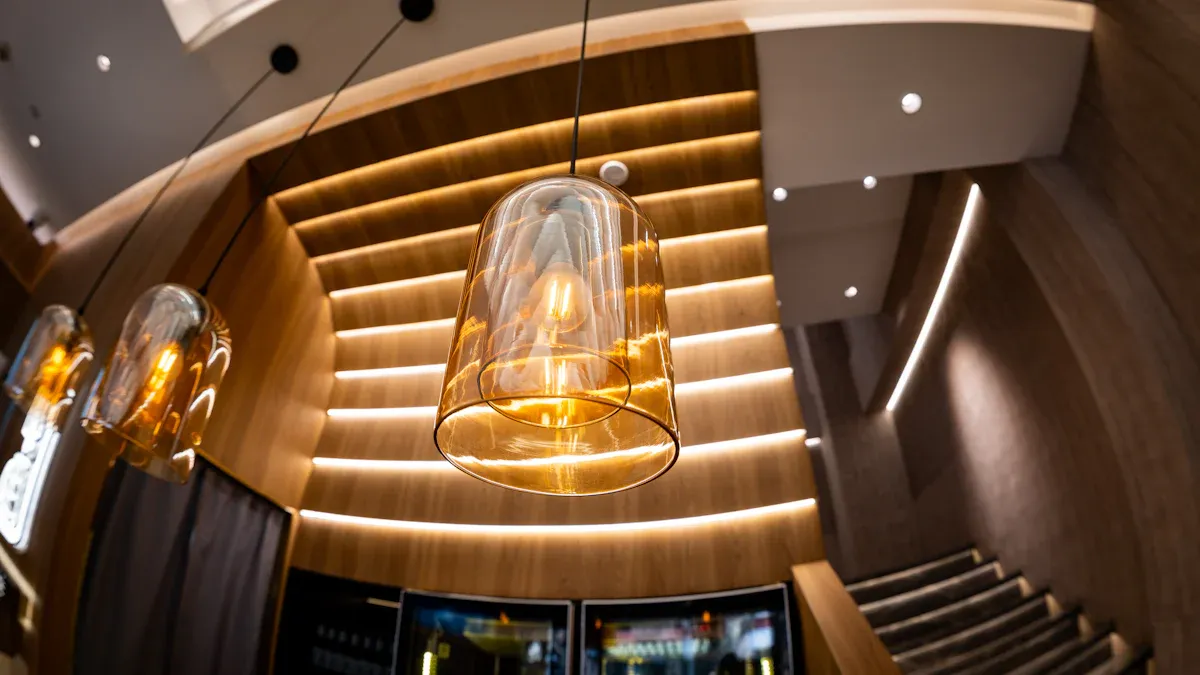
You want your retail lighting to do more than just brighten up a space. The right choice makes your products stand out and helps shoppers feel comfortable. Good lighting can even boost sales. Many stores now switch to Led Light because it saves money and energy. Check out this comparison:
Lighting Type | Energy Savings (%) |
|---|---|
Traditional Fixtures | 0 |
LED Lighting | 50-80 |
Switching to LEDs cuts your power bill and keeps costs down as rates go up. In 2025, you can find rebates and programs to help cover the cost. When you plan your store, think about smart options that fit your Product displays and match your brand. For more ideas, check out our About Us and Home pages.
Key Takeaways
Pick LED lighting to use less energy and save money. LEDs can lower your power bills by half or more.
Put warm lighting in lounge areas to make them feel cozy. Use bright, cool lighting near checkout counters for better visibility.
Shine accent lighting on important products. This helps people notice them and can boost sales.
Think about your store type when planning lighting. Fashion stores look better with warm tones. Electronics stores need bright, cool lights.
Buy smart lighting systems for your store. They are easy to change and can make shopping better.
Why Retail Lighting Matters
Enhancing Customer Experience
You want shoppers to feel happy in your store. Retail lighting sets the mood fast. The right lights make your space feel open or cozy. Warm lighting helps people relax and stay longer. Cool lighting makes them alert and ready to shop.
Tip: Use warm lights in lounge spots. Put cool lights near checkout counters.
Lighting does more than just make a room bright. It changes how customers see your products and your brand. Studies show store atmosphere, especially lighting, can change how people feel about your products. Sometimes, it matters more than the products themselves. Smart lighting helps customers feel comfortable and sure about their choices.
Here’s how different lighting types affect shoppers:
Lighting Type | Effect on Customer Behavior |
|---|---|
Bright, Cool Lighting | Makes people alert and engaged. Good for busy stores like supermarkets. |
Warm Lighting | Makes a cozy feeling. Customers stay longer in luxury shops and cafés. |
Strategic Lighting | Helps shoppers focus on certain products. This can change what they buy. |
Dim Lighting | Feels fancy and private. Used in fine dining and high-end stores to slow down shoppers. |
Bright Lighting | Helps people decide fast and buy quickly. Used in fast-food places and supermarkets. |
Boosting Sales and Product Appeal
Retail lighting does more than set the mood. It can help you sell more. When you shine lights on your best products, shoppers notice them first. Bright lighting makes people curious and want to look at new things.
A store with good lighting can sell more. One study found stores with natural daylight sold 40% more, and some sold up to 49% more. Another report said switching to LED lighting raised sales by 19%.
Study | Findings |
|---|---|
Heschong Mahone Group Study | Stores with natural daylight sold 40% more on average. |
ENERGY STAR Study | LED lighting made sales go up by 19 percent. |
You can use lighting to guide shoppers to special displays or new items. When products stand out, customers make quick choices. Good lighting can even change how people see the quality and price of your products. If you want better sales, start by checking your store’s lighting.
Key Elements of Retail Lighting Design
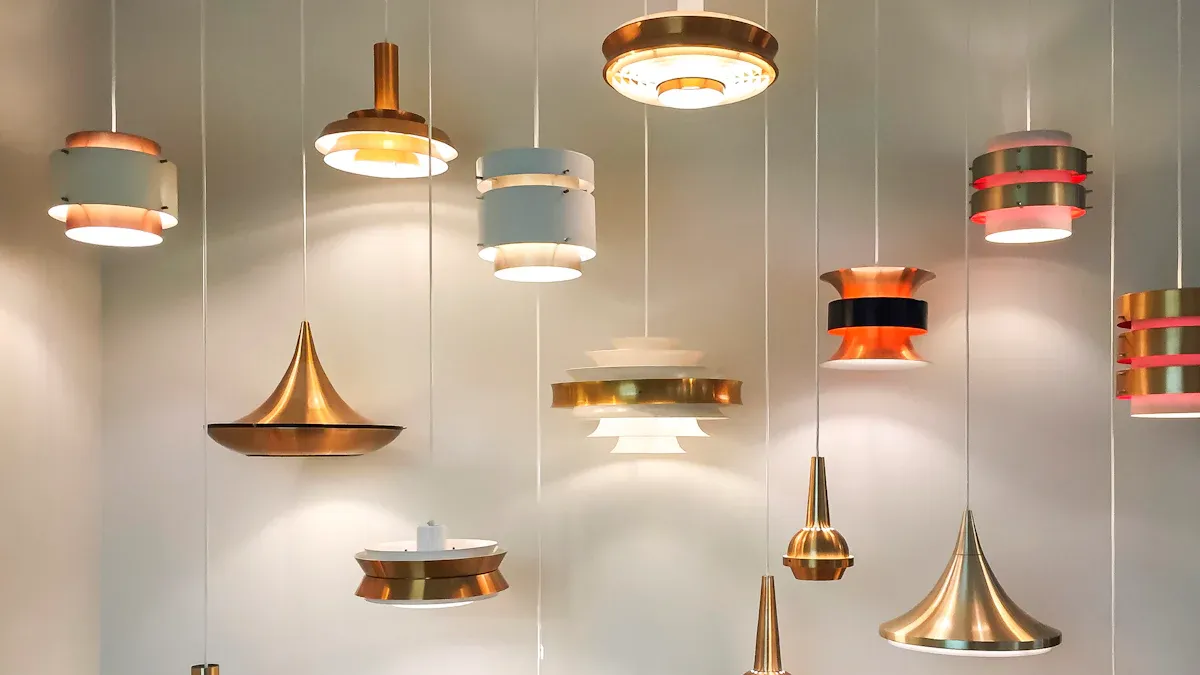
Store Type and Layout
Your store needs lighting that fits its style and layout. Each store is different. A fashion boutique uses soft, warm lights. These lights make clothes and faces look nice. Electronics stores use cool, bright lights. These lights show off shiny gadgets. Supermarkets need bright, even lighting. This helps shoppers see all the items on shelves.
Here’s how lighting changes for each store type:
Store Type | |
|---|---|
Fashion & Apparel | Flattering color rendering, strong accent lighting on mannequins, warm tones (3000K), vertical lighting for fitting rooms |
Cosmetics & Beauty | CRI 95+, 3500K–4000K, consistent vertical illumination, face-friendly lighting |
Electronics Stores | 4000K for clarity and a crisp, modern look |
Luxury Retail | Warm-toned lighting, narrow beam angles, high contrast, soft highlighting |
Supermarkets & Grocery | Bright, uniform lighting, wide beam angles, energy efficiency, clean color rendering |
Think about your store’s size too. Big department stores use many types of lighting. They mix ambient, task, and accent lights. This makes the space feel friendly. Small boutiques use warm white lights for a cozy feel. Cool white lights give a modern look. Daylight tones help products stand out and show details.
Tip: Change brightness to show off special products. Use track lighting that you can adjust for more options.
Lighting Goals and Ambiance
Set clear goals for your store’s lighting. Do you want shoppers to feel calm or excited? Lighting changes the mood in your store. Bright lights make people feel awake and ready to shop. Dim lights help people relax but may hide products. Warm lights make your store feel welcoming. Harsh lights can make people feel uneasy.
A study showed lighting affects how people feel in stores. Shoppers may not notice the lights, but they react to the mood. Good lighting makes your store feel friendly and boosts happy feelings.
Study Title | Description | Findings |
|---|---|---|
As real as it gets: What role does lighting have on consumer's perception of atmosphere, emotions and behaviour? | This study examined the impact of different lighting settings in a simulated supermarket environment with 95 participants. | The study found that while significant behavioral effects were absent, lighting subtly influenced perceived atmosphere and emotional responses. |
Bright lights help shoppers look around.
Dim lights help people relax but may hide products.
Warm lights make your store feel like home.
Use these ideas to set the right mood for your brand.
Merchandise Focus
You want your best products to stand out. Lighting helps guide shoppers to new items or sales. Accent lights make certain products pop. Track lights can shine on key items. Ambient lights keep the store comfy.
Use brighter track lights for sale items.
Use dimmer lights in fitting rooms for calm.
Mix accent and general lights for comfort.
Good lighting makes products look better. Shoppers see colors and details clearly. When you highlight special items, customers decide faster. Smart lighting can guide people through your store. This helps them explore and stay longer.
Note: Lighting quality is important. Good lighting makes products look real and more attractive.
Energy Efficiency
Smart lighting saves money and helps the planet. In 2025, new rules make energy efficiency important. Modern controls can lower power use when stores are busy. Smart outlets and scene controls help cut costs but keep good lighting.
Here’s what’s new for saving energy in stores:
Key Area | Description |
|---|---|
More sophisticated systems must automatically reduce lighting power during peak demand periods. | |
Demand-Responsive Controlled Receptacles | Smart outlets that reduce power consumption during peak periods. |
Scene Controls | Clearer guidelines for intuitive occupant control over lighting while maintaining efficiency. |
Daylighting | Automatic daylight controls now apply to spaces using 75 watts or more, matching ASHRAE requirements. |
Power Density | Expected reduction of around five percent in lighting power density for certain space types. |
Manual Switches and Dimmers | Non-residential spaces can now have these controls under lock and key. |
Daylight Zones | Must be established for spaces larger than 250 sq ft in architectural plans. |
Look for LED lights and smart controls. These choices give you good lighting and lower bills. Energy-efficient lighting keeps your store modern and responsible.
Smart Retail Lighting Trends for 2025
You want your store to stand out in 2025. Smart retail lighting helps you do just that. New trends make your space look better and save you money. Let’s look at what’s new and how you can use these ideas in your store.
LED Solutions
LED lights keep getting better. You can now use smart retail lighting with LED bulbs that last longer and use less energy. These lights work with Wi-Fi and smart controllers. You can change the color or brightness with your phone. Some LED systems even let you set up accent lighting for special displays or task lighting for checkout areas.
Smart lighting systems let you check your lights from anywhere.
You can use indoor positioning to help shoppers find products.
Features like occupancy sensing and daylight harvesting can cut energy use by 40% or more.
Tip: Use accent lighting to draw attention to new products. Place task lighting where staff need to see details.
Smart Controls
Smart retail lighting gives you control over every part of your store. You can set up accent lighting for window displays or task lighting for fitting rooms. Smart controls let you change the mood with just a tap. You can group lights, set scenes, and even get alerts if a bulb needs fixing.
Feature | Benefit |
|---|---|
Individual and Group Control | Adjust lights for each area, making customers feel welcome. |
Scene Setting | Change accent lighting for sales or events. |
Feedback and Diagnostics | Know when to fix lights before they go out. |
App-Controlled Flexibility | Make changes fast, right from your phone. |
IoT Integration | Use sensors to save energy and keep the store bright. |
You can also use zone-based management to control accent lighting in different parts of your store. This makes your space look fresh and keeps shoppers interested.
Human-Centric Lighting
Smart retail lighting now focuses on people. Human-centric lighting helps staff and customers feel good. You can use accent lighting to boost mood or task lighting to help workers see better. Stores that use this trend see more happy workers and shoppers.
Productivity can go up by 15%. Mistakes drop by 20%.
Staff sleep better and feel less tired.
People feel happier and want to stay longer.
Benefit | Impact on Staff and Customers |
|---|---|
Improved Productivity | Staff focus better and make fewer mistakes. |
Enhanced Worker Safety | Good task lighting keeps everyone safe. |
Employee Well-Being & Morale | Less eyestrain and more smiles at work. |
You can use accent lighting to highlight products and task lighting to help with daily jobs. Smart retail lighting makes your store a better place for everyone.
Retail Lighting Selection Steps
Assessing Store Needs
You want your lighting to match your store’s unique style and function. Start by looking at your store’s size and layout. Walk through each area and ask yourself, “What do I want shoppers to see here?” Some spots, like product displays, need bright lights. Fitting rooms feel better with softer lighting. Checkout counters need clear, focused light so staff can work fast.
Think about the products you sell. Jewelry and clothes need lights that show true colors. Groceries need bright, even lighting so everything looks fresh.
Decide what mood you want. Do you want your store to feel calm or exciting?
Notice how customers move through your space. Entryways, aisles, and special displays may need different lighting.
Tip: Set your main light level first. Add accent lights to highlight products. Hide light sources from shoppers’ eyes, but make sure the products shine.
Budget Planning
You need a plan for your lighting budget. Lighting upgrades can cost more than you think, but they pay off in the long run. Here’s what you might spend in 2025:
Type of Upgrade | Cost per Square Foot | Typical Investment Amounts |
|---|---|---|
Updating Current Lighting Systems | $2.00 - $3.00 | Small Businesses: $10,000 - $20,000 |
New Installations | $3.20 - $4.00 | Medium-Sized Businesses: $60,000 |
Figure out how much you want to spend before you start shopping for lights.
Remember, LED lights cost more at first, but they last longer and use less energy.
Look for rebates or programs that help cover costs. Many cities offer these for energy-saving upgrades.
Note: Good lighting is an investment. It can help you sell more and save money on energy bills.
Comparing Lighting Options
You have many choices for retail lighting. Compare your options before you buy. Look at the type of bulbs, fixtures, and how each one fits your store’s style.
Criteria | Description |
|---|---|
Type of Light Bulbs | Halogen, CFL, and LEDs all have different uses and benefits. LEDs are the most efficient. |
Fixture Types | Suspended, flush recessed, and track lighting each serve a different purpose. |
Brightness Levels | Measured in lumens. Use brighter lights for displays, softer lights for fitting rooms. |
Color Temperature | Warm or cool tones change the mood and look of your products. |
Color Rendering Index (CRI) | High CRI means colors look real and products look their best. |
Energy Efficiency | LEDs use less power and last longer, saving you money. |
Longevity | Longer-lasting lights need fewer replacements. |
Aesthetic Impact | Choose lights that match your store’s look and brand. |
Change brightness to make products stand out.
Use volumetric lighting for general areas.
Place lights so they show off products without glare.
Try adjustable recessed or track lights for flexibility.
Pick fixtures that fit your store’s design.
Design and Installation
Now you’re ready to put your plan into action. Focus on quality and style. Use high-quality case or tape lighting to show true colors. Pick fixtures that give enough light without making the ceiling look crowded. Stick with LEDs to avoid problems like poor color or early burnout.
Use accent lighting and keep a contrast ratio of at least 3:1. This makes displays pop and keeps shoppers interested.
Place fixtures carefully to avoid glare and make products easy to see.
Aim your lights after installation. Make sure they highlight the right spots.
Layer your lighting. Mix ambient, accent, and task lights for a dynamic look.
Keep your lighting style consistent. This helps build your brand.
Use adjustable lights so you can change your displays easily.
Make sure your lights have a high CRI. This keeps colors true and products attractive.
Tip: Work with a lighting designer or installer if you want the best results. They know how to make your store look great and save energy.
Practical Tips for Retail Lighting
Fashion Stores
You want clothes and accessories to look great. Start with ambient lighting to make the store bright. Add accent lights to show off new items. Use task lighting in fitting rooms so shoppers see colors well. Decorative lights add style and match your brand.
Use both vertical and horizontal lighting for fabrics.
Pick high-CRI accent lights for jewelry and accessories.
Try spotlights that you can move for different displays.
Match light fixtures to your store’s look for a neat style.
Tip: Stop glare by using matte ceilings and frosted glass. This helps keep your store warm and friendly.
Grocery Stores
Lighting helps food look fresh and nice. Modern LEDs act like sunlight, so fruits and veggies look bright. Use strong, even lighting for aisles. Add accent lights to bakery areas for a cozy feel. Cooler lights work well in frozen food aisles and make the space feel clean.
Lighting Type | What It Does | Shopper Impact |
|---|---|---|
Ambient Lighting | Lights up the whole store | Makes shopping comfortable |
Accent Lighting | Highlights produce and bakery items | Boosts impulse buys |
Task Lighting | Helps at self-checkout and reading labels | Makes shopping easier |
Put accent lights on items that make more money to get attention.
Specialty Shops
You can set a special mood with good lighting. Change brightness to help special products stand out. Use volumetric lighting for general areas. Try recessed lights and spotlights to show off textures in textiles or art. Frosted glass and uplights add warmth and style.
Technique | Why Use It? |
|---|---|
Adjustable Recessed | Change focus when displays move |
Frosted Glass Fixtures | Make light soft and warm |
Accent Spotlights | Show off textures and details |
Uplights | Make the space feel cozy |
Note: Stop glare by using small downlights and track lighting.
Common Mistakes
You might forget to highlight products, so shoppers miss them.
If you use the same brightness everywhere, nothing stands out.
Not following lighting codes can cost you money.
Picking the wrong color temperature makes products look dull.
Old lighting wastes energy and money.
Not fixing lights makes your store look old.
Keep up with new lighting tech and check your lights often for the best results.
You want your store to shine in 2025. Focus on energy-efficient LEDs, smart controls, and flexible designs that match your brand. Great lighting makes products pop and keeps shoppers happy. Try these steps:
Use layered lighting for depth and focus.
Pick warm tones for comfort, cool tones for clarity.
Upgrade to smart systems for easy adjustments.
Work with lighting experts for the best results.
Benefit | Impact |
|---|---|
LED upgrades | Lower costs, more sales |
Smart controls | Better customer experience |
Professional advice | Strong brand image |
Stay curious about new trends. Your lighting choices can boost sales by up to 40% and help your store stand out.
FAQ
What is the best type of lighting for retail stores in 2025?
LED lighting works best for most stores. You get bright, clear light and save money on energy. Smart LEDs let you change colors and brightness with your phone. They last longer than old bulbs.
How can I make my products stand out with lighting?
Use accent lights to highlight special products or displays. Place spotlights on new items or sale racks. Try different angles to see what looks best. Good lighting draws shoppers’ eyes right where you want.
Do smart lighting systems really save money?
Yes! Smart lighting systems help you use less power. You can set schedules, dim lights, or turn them off when no one is around. Many stores see lower energy bills after switching.
How often should I check or update my store’s lighting?
Check your lights every few months. Replace any bulbs that look dim or flicker. Update your lighting every few years to keep up with new tech and save more energy.
Can lighting affect how long shoppers stay in my store?
Absolutely! Warm, cozy lighting makes people feel relaxed and welcome. Shoppers often stay longer and look at more products. Bright, harsh lights can make people leave faster.
See Also
Choosing the Ideal LED Street Light for Your Area in 2025
Effective Lighting Solutions for Retail Spaces
Guidelines for Selecting the Best Lighting Signage System
Best Practices and Solutions for Commercial Lighting Applications
Selecting the Best LED Light Replacement for Home or Business