Halogen vs Incandescent Lighting

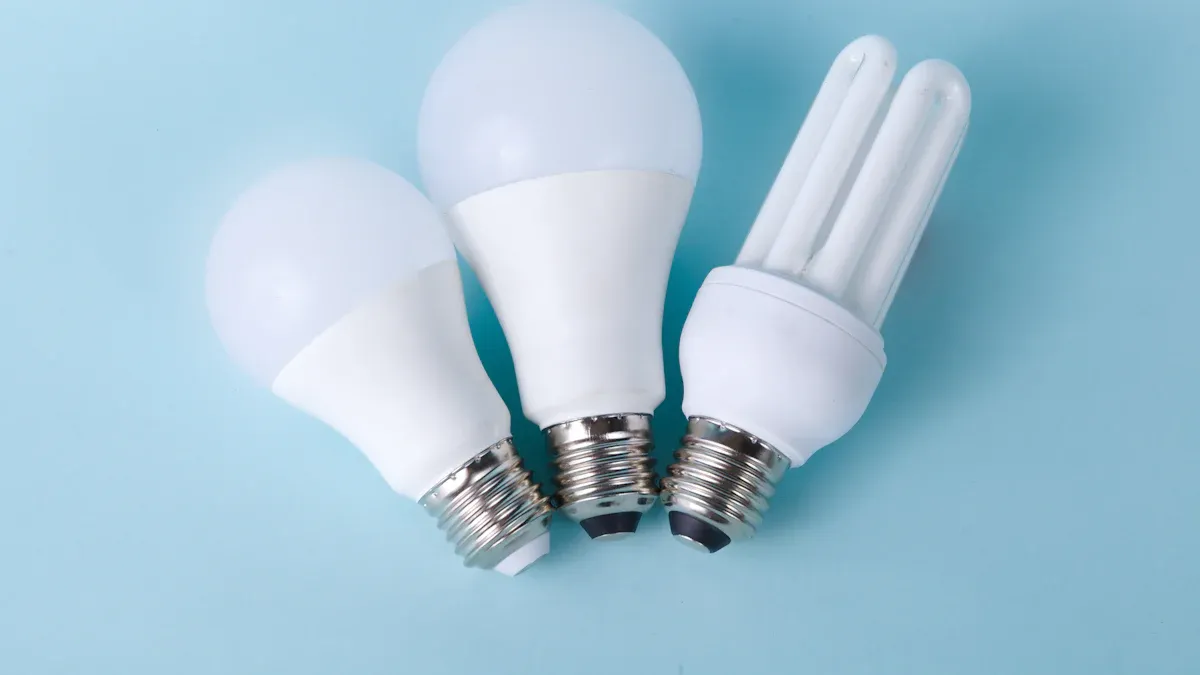
You can see the main difference in how Halogen vs Incandescent lighting produces light and utilizes energy. Halogen bulbs contain a special gas that helps them shine brighter and last longer than regular incandescent bulbs. This distinction is crucial because your lighting choice affects your energy consumption and how frequently you need to purchase new bulbs. The lighting market is constantly evolving. For instance:
The Halogen Lamps Market grew from USD 4.31 billion in 2024 to USD 4.48 billion in 2025.
The global lighting market size was estimated at USD 151.7 billion in 2024.
You want the best Product for your space, and you might consider a Led Light for your home or compare Halogen and Incandescent bulbs. Our About Us page emphasizes the importance of selecting the right light for both comfort and cost savings.
Key Takeaways
Halogen bulbs last longer than incandescent bulbs. They also shine brighter. This makes them better for saving energy.
Use halogen bulbs if you want bright, white light in workspaces. Incandescent bulbs give a warm and cozy feeling in living rooms.
Think about how long bulbs last and how much energy they use. Halogen bulbs help you save money because they last longer and use less energy.
You can dim both types of bulbs. Halogen bulbs stay brighter when dimmed. This makes them good for different moods.
When picking bulbs, think about what the room is for. Also, think about how bright you want it and how much energy you want to save. This will help you choose the best bulb.
Halogen vs Incandescent: Key Differences
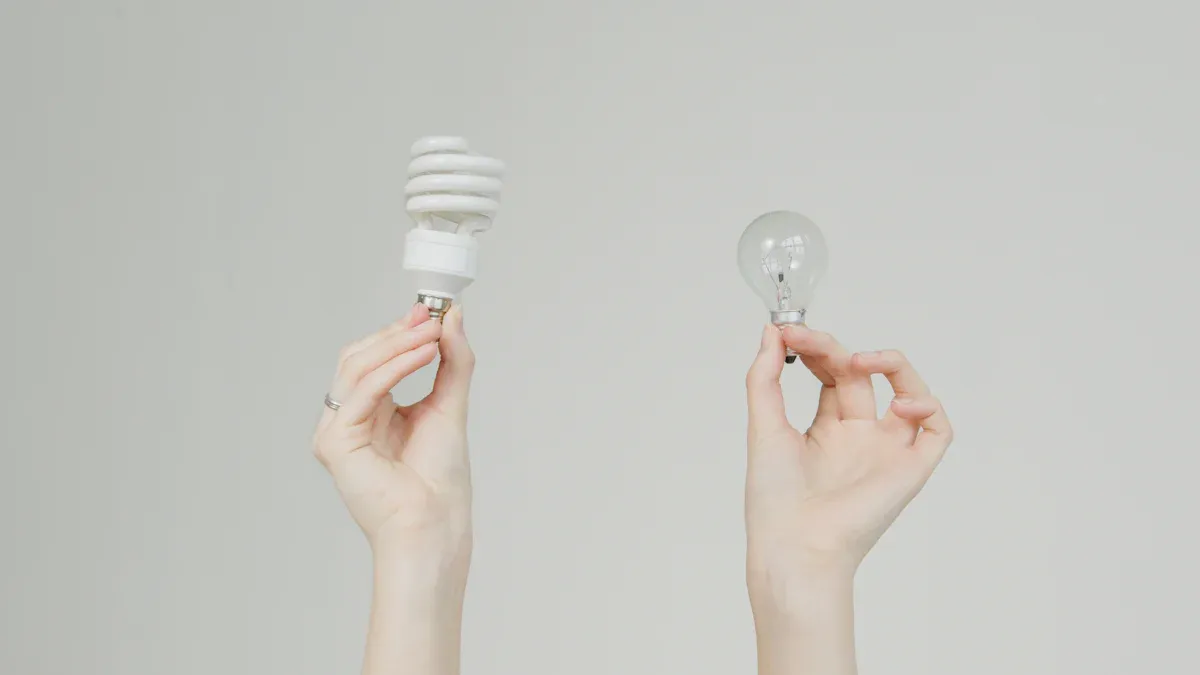
How They Work
Both halogen and incandescent bulbs use a tungsten filament. In an incandescent bulb, electricity heats the filament. The filament glows and makes light. The bulb has a gas or vacuum inside. This keeps the filament safe. That is why you see a warm glow in homes.
Halogen bulbs work almost the same way. But there is one big difference. The filament is inside a quartz capsule. The capsule has halogen gas like iodine or bromine. This gas lets the filament get hotter. So, halogen bulbs shine brighter. They also make a whiter light than incandescent bulbs. The halogen gas helps reuse tungsten particles. This makes the filament last longer. The bulb stays efficient for more time.
Tip: If you want bright, white light that lasts longer, pick halogen bulbs instead of regular incandescent bulbs.
Main Distinctions
Halogen and incandescent bulbs are different in how they are made, how well they work, and how long they last. The table below shows these main differences:
Feature | Halogen Bulbs | Incandescent Bulbs |
|---|---|---|
Filament | Tungsten filament in a quartz capsule | Tungsten filament exposed to air |
Gas Filling | Filled with halogen gas (iodine and bromine) | Typically filled with inert gas or vacuum |
Lifespan | Up to 2,500 hours | 800-1,200 hours |
Operating Temperature | Higher temperature (250-300 watts) | Lower temperature |
Light Quality | Whiter color temperature and higher luminous efficacy | Warmer light spectrum |
Halogen bulbs are better versions of incandescent bulbs. The halogen cycle lets the bulb reuse tungsten. This makes the bulb work better and last longer. Halogen bulbs can get hotter. They give off brighter and whiter light.
Halogen and incandescent bulbs use energy in different ways. For example, a 55-watt halogen bulb and a 60-watt incandescent bulb both make about 800 lumens. But the halogen bulb uses less energy for the same brightness. You get more light for each watt with halogen bulbs.
Light Type | Watts Used | Lumens Produced | Efficiency (lumens/watt) |
|---|---|---|---|
Incandescent | 60W | 800 lm | 13 lm/W |
Halogen | 55W | 800 lm | 14.5 lm/W |
How long bulbs last is important too. Halogen bulbs last between 2,250 and 3,500 hours. Incandescent bulbs last only 750 to 1,000 hours. You will need to change incandescent bulbs more often. This can cost you more money over time.
Halogen bulbs are improved incandescent bulbs.
The halogen cycle helps reuse tungsten and makes bulbs work better.
Halogen bulbs can get hotter than regular incandescent bulbs.
When you pick between halogen and incandescent lighting, think about energy use, light quality, and how often you want to change bulbs. Halogen bulbs give you whiter, brighter light and last longer. Incandescent bulbs give a warm glow but need to be replaced more often.
If you know these main differences, you can choose the best lighting for your home or business.
Halogen and Incandescent Technology
Incandescent Bulb Basics
Incandescent bulbs are common in homes and old buildings. They have a simple design. Inside the glass bulb is a tungsten filament. When you turn on the light, electricity goes through the filament. The filament gets hot and glows. This makes the light you see. The glass bulb keeps the filament safe. It can have an inert gas or a vacuum inside. This helps the filament last longer.
The main idea of incandescent bulbs is incandescence. The filament gets very hot, between 2700 °C and 3000 °C. It gives off a warm, soft light.
Here are the main parts of incandescent bulbs:
Component | Description |
|---|---|
Tungsten Filament | Makes light when it gets very hot |
Glass Enclosure | Protects the filament; has inert gas or a vacuum |
Electrical Connections | Wires that bring electricity to the filament |
Incandescent bulbs are good for simple lighting.
The filament lets the bulb work at high heat.
The light is soft and warm, which many people like.
Halogen Bulb Design
Halogen bulbs use newer lighting technology. They are smaller and more compact. The filament is inside a quartz capsule. This capsule has halogen gas, like iodine or bromine. The gas lets the filament get hotter than in incandescent bulbs. This means halogen bulbs are brighter and whiter.
Halogen bulbs last longer because of the halogen cycle. The gas puts tungsten back on the filament. This makes the bulb last longer. Halogen bulbs also use less energy for the same light. They are more efficient than incandescent bulbs.
Feature | Halogen Bulbs | Incandescent Bulbs |
|---|---|---|
Gas Type | Halogen gas (iodine or bromine) | None |
Operating Temperature | Higher | Lower |
Luminous Efficacy | Improved | Lower |
Filament Lifespan | Longer because of the halogen cycle | Shorter |
Size | Small, fits in many places | Bigger, not as flexible |
Halogen bulbs are good for modern lighting.
You can use them where you need bright or focused light.
Their small size fits many types of fixtures.
Tip: If you want bulbs that last longer and save energy, pick halogen bulbs.
Now you know how both types of bulbs work. This helps you choose the best lighting for your needs.
Pros and Cons
Incandescent Advantages & Drawbacks
When you choose incandescent lighting, you get a familiar and classic option. Many people like the warm glow these bulbs give. Incandescent bulbs show colors well, almost like natural sunlight. You can find them in many stores, and they usually cost less than other types of bulbs. You can also dim these bulbs with most standard dimmer switches, which helps you set the mood in any room.
However, incandescent bulbs have some big drawbacks. They waste a lot of energy. Only about 10% of the energy turns into visible light. The rest becomes heat. This means higher electricity bills and more energy use. Incandescent bulbs also burn out quickly. You may need to replace them often, which adds to your costs and effort.
Here is a quick look at the main pros and cons:
Advantages | Disadvantages |
|---|---|
Excellent color rendering | Highly inefficient (only 10% energy to light) |
Inexpensive and easy to find | Short lifespan (about 1,000 hours) |
Dimmable with standard switches | Higher bills and bigger carbon footprint |
Tip: If you want soft, warm light and easy dimming, incandescent bulbs work well. If you care about saving energy, you may want to look at other lighting options.
Halogen Advantages & Drawbacks
Halogen lamps offer a step up from regular incandescent bulbs. You get a brighter and whiter light, which makes colors look true and vivid. Halogen lighting works well in places where you need clear, sharp light, like kitchens or workspaces. Halogen lamps are also small, so you can use them in many types of fixtures. You can dim halogen lamps, which gives you control over your lighting.
Still, halogen lamps have some downsides. They get very hot, so you need to handle them with care. Halogen lamps do not last as long as LED bulbs, though they last longer than incandescent bulbs. Halogen lamps also use more energy than LEDs, so they are not the most efficient choice.
Here is a table to help you compare:
Pros | Cons |
|---|---|
High color rendering index (CRI) | Short lifespan (2,000–4,000 hours) |
Inexpensive | High heat emission |
Dimmable | Higher energy use than LEDs |
Note: Halogen lamps give you bright, clear light and good color, but you need to watch out for heat and energy use. Always use halogen lamps in fixtures that can handle the extra heat.
Halogen Light Quality vs Incandescent
Color and Brightness
Halogen and incandescent lights look different in color and brightness. Both bulbs have a color rendering index (CRI) of 100. This means colors look real under both types of light. You see true colors in your room or office.
Halogen light has a color temperature close to 3000 Kelvin. Incandescent light is below 3000 Kelvin. Halogen light looks whiter and brighter. Incandescent light gives a softer, warmer glow. Halogen light is good for places where you need to see clearly, like kitchens or bathrooms. Incandescent light is nice for bedrooms or living rooms if you want a cozy feel.
Here is a quick comparison:
Bulb Type | CRI | Color Temperature (K) |
|---|---|---|
Halogen | 100 | ~3000 |
Incandescent | 100 | <3000 |
Halogen light helps you see small details better. Incandescent light makes the room feel calm. Pick the light that works best for you.
Tip: Use halogen light when you need bright, true colors. Choose incandescent light if you want a warm and comfy space.
Dimming and Ambiance
You can dim both halogen and incandescent lights. This helps you set the mood in your room. Incandescent bulbs dim smoothly from bright to almost off. Halogen bulbs also dim, but most only go down to about 20% brightness. You still get good control over the light.
Here is a table that shows how each bulb type handles dimming:
Bulb Type | Dimming Capability | Dimming Range |
|---|---|---|
Incandescent | Yes, all incandescents are dimmable. | 100% to 0% |
Halogen | Yes, all halogen bulbs are dimmable. | 100% to 20% (with caveat) |
Halogen light keeps its color when you dim it. Incandescent light gets even warmer and softer as it dims. Halogen light is good for reading or working, even when not at full brightness. Incandescent light is great for making a room feel gentle and relaxing.
Halogen light stays bright and clear with good color at any level.
Incandescent light gives a soft, warm glow that feels cozier as you dim it.
Note: Both halogen and incandescent lights let you control the brightness. Think about the feeling you want in your room before you pick one.
Lifespan & Efficiency
Bulb Lifespan Comparison
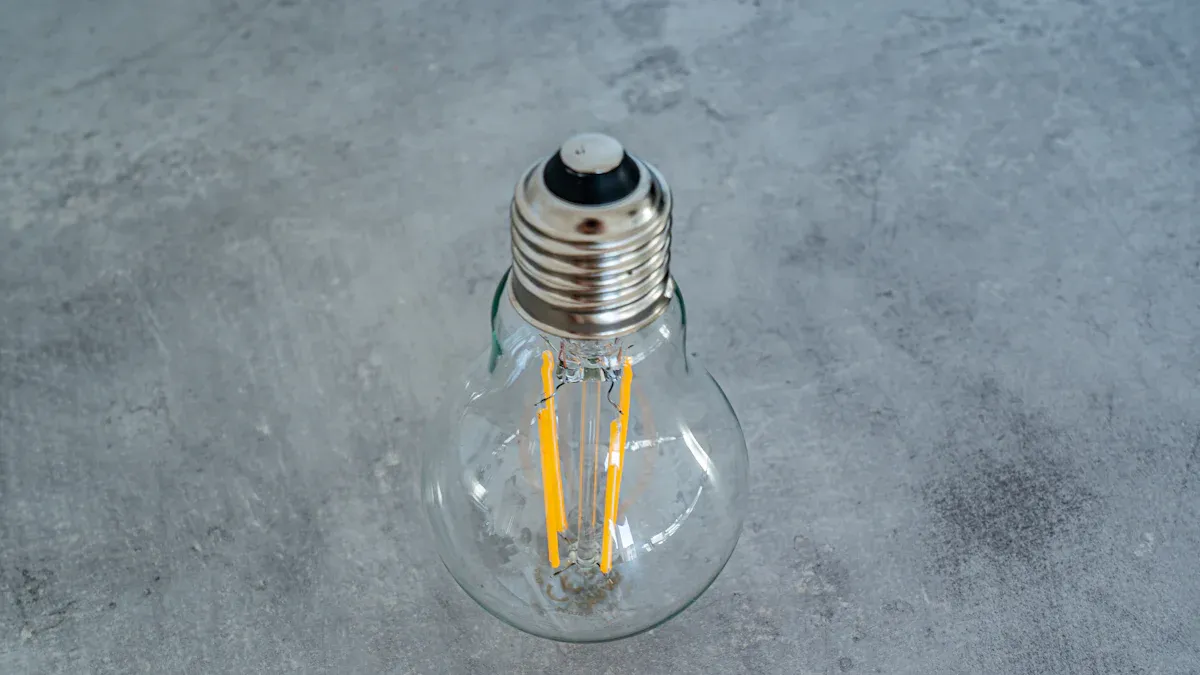
You want your lighting to last as long as possible. When you compare halogen and incandescent bulbs, you see a clear difference in how long each bulb works. Halogen bulbs usually last between 2,000 and 4,000 hours. Incandescent bulbs often burn out after 750 to 1,200 hours. This means you will change incandescent bulbs more often. You spend more time and money replacing them.
Halogen bulbs use a special gas that helps the filament last longer. This makes halogen lighting a better choice if you want fewer bulb changes. You get more hours of bright light before you need a new bulb. If you want to save effort, choose halogen bulbs for your home or business.
Tip: Write the date on your new bulb when you install it. You can see how long your lighting lasts and plan for replacements.
Energy Use
Lighting uses a lot of energy in homes and businesses. Some bulbs waste energy. This is called inefficient energy use. Incandescent bulbs turn most of their energy into heat, not light. Halogen bulbs use less energy for the same amount of light. They are a step toward energy-efficient lighting.
Look at the table below. You can see how much energy each bulb type uses to make the same amount of light.
Bulb Type | Wattage Range |
|---|---|
Halogen Bulbs | 18-70 watts |
Traditional Incandescent | 25-100 watts |
Halogen bulbs give you the same brightness with lower wattage. This means you use less electricity. You save money on your energy bills. Choosing energy-efficient lighting helps the planet, too. You use less power and reduce waste.
If you want better efficiency, pick halogen bulbs over incandescent bulbs. You get more light for your money and help the environment. Energy-efficient lighting is a smart choice for every space.
Heat, Safety & Maintenance
Heat Output
You may notice that both halogen and incandescent bulbs get hot when you use them. These types of lighting turn a lot of energy into heat, not just light. Halogen bulbs run even hotter than regular incandescent bulbs. This happens because halogen bulbs use a special gas and a smaller capsule, which lets the filament reach higher temperatures.
Proper ventilation helps keep your lighting safe. Make sure your light fixtures have space for heat to escape. You should keep at least 2 to 4 inches of space around each bulb. For higher wattage bulbs, increase this distance to 4 to 6 inches. Lampshades can help direct heat away, but closed designs can trap heat and cause overheating.
If you use a bulb with a higher wattage than your fixture allows, you risk overheating and even fire. Always check the manufacturer's instructions before you install a new bulb. Regularly inspect your bulbs for signs of overheating, like dark spots or discoloration. Dust your lighting often to prevent heat from building up.
Tip: Good airflow around your lighting keeps your home safer and helps your bulbs last longer.
Handling and Care
You need to handle halogen and incandescent bulbs with care. These bulbs can break easily and get very hot. Always turn off the light switch and let the bulb cool before you touch it. Leave the switch off until you finish changing the bulb.
Follow these steps for safe handling:
Wear eye protection when you change a halogen bulb.
Hold the bulb by its base. Do not touch the glass with your fingers.
Avoid dropping or scratching the bulb. Keep water and moisture away.
Place the used bulb in the new bulb's carton for safe disposal. Keep old bulbs out of reach of children.
Taking care of your lighting helps prevent accidents and keeps your space bright. Safe habits protect you and your family from burns or broken glass.
Note: Careful handling and regular checks make your lighting safer and more reliable.
Cost Comparison
Upfront Cost
When you buy bulbs, you see price differences. Halogen bulbs cost more than incandescent bulbs. A halogen bulb costs about $1.50. An incandescent bulb costs about $0.50. Look at the table to compare prices and energy efficiency:
Bulb Type | Average Cost | Energy Efficiency |
|---|---|---|
Halogen Bulbs | $1.50 | 25% more efficient |
Incandescent Bulbs | $0.50 | Baseline efficiency |
Halogen bulbs cost more at first. They use energy better than incandescent bulbs. If you want to spend less now, incandescent bulbs are cheaper. If you care about saving energy, halogen bulbs give more light for each watt.
Long-Term Value
Think about more than just the price. The value of your bulbs depends on how often you change them and how much energy they use. Halogen bulbs last longer and use less energy than incandescent bulbs. You buy new bulbs less often and pay lower bills.
Here is a table that shows lifespan, energy use, and how often you need new bulbs:
Bulb Type | Lifespan (hours) | Energy Consumption | Replacement Frequency | Long-term Cost Impact |
|---|---|---|---|---|
Incandescent | ~1,000 | High | Frequent | Increased costs |
Halogen | Slightly better | Moderate | Less frequent | Moderate costs |
Here are some facts:
Halogen bulbs work a little better than incandescent bulbs.
Incandescent bulbs burn out faster, so you change them more.
Incandescent bulbs use more energy, so bills are higher.
If you want bulbs that last longer and use less energy, pick halogen bulbs. You get brighter light and spend less money on new bulbs. You also help the planet by using bulbs that waste less energy.
Tip: Pick halogen bulbs if you want to save money over time and get more light in your room.
Typical Uses for Halogen and Incandescent
Best Uses for Incandescent
Incandescent lighting is great for making rooms feel warm. Many people use these bulbs in living rooms and dining rooms. The soft light helps your home feel cozy and nice. If you want your space to look good, you might pick incandescent bulbs. They give a natural glow that shows off your décor.
Designers and homeowners like using incandescent can lights in ceilings. These lights fit inside the ceiling and do not stand out. You get good light without seeing the bulb. This makes them popular in homes and businesses. Incandescent lighting helps set a special mood for parties or family time.
Tip: Use incandescent lighting to make rooms feel warm and friendly. It is good for places where you relax or have guests.
Best Uses for Halogen
Halogen lighting is best when you need bright, focused light. You see halogen bulbs in stores where products must look great. Halogen light shows colors clearly and makes them look bright. This helps clothes, art, or jewelry stand out.
Halogen lighting is also used in workshops and garages. The strong light helps you see small things and work safely. Artists and designers use halogen bulbs in studios and galleries. The clear light lets them see every color and detail.
Here are some ways people use halogen lighting:
Display lighting in stores to show products.
Spotlights for art or building features.
Track lighting in galleries for exact control.
Accent lighting to highlight design work.
Bright lighting in warehouses and factories for safety.
Halogen lighting is flexible. You can use it to light up a workspace or make displays stand out. The white light helps you see things as they really are.
Note: Choose halogen lighting when you need strong, clear light for work or displays.
Regulations & Environmental Impact
U.S. Ban on Incandescent Bulbs
You might see fewer incandescent bulbs in stores now. The U.S. government made new rules to save energy and help the environment. The Energy Independence and Security Act of 2007 (EISA) created new rules for light bulbs. The first part of the ban started in January 2012. The government brought back and changed the ban on August 1, 2023. Some bulbs are not part of this rule. You can still buy specialty lights, appliance lamps, rough service bulbs, and colored lamps.
Here is a table with the main facts:
Detail | Information |
|---|---|
Legislation | Energy Independence and Security Act of 2007 (EISA) |
Effective Date | January 2012 (initial ban), August 1, 2023 (reinstated ban) |
Exceptions | Specialty lights, appliance lamps, rough service bulbs, colored lamps, etc. |
Note: Always check your local rules before you buy new bulbs. Some states may have extra rules or allow more bulb types.
Environmental Considerations
The bulbs you pick can affect the planet. Some bulbs use more energy and make more trash. Incandescent bulbs use lots of energy and burn out fast. This means they cause more greenhouse gases. Halogen bulbs are a bit better but still use more energy than newer bulbs. LED bulbs use much less energy and last a long time. CFL bulbs also save energy but have mercury, which can hurt the environment if not thrown away right.
Here is a table to help you compare:
Bulb Type | Energy Efficiency | Lifespan | Environmental Impact |
|---|---|---|---|
Incandescent | Low | Short | High energy use leads to more greenhouse gas emissions. |
Halogen | Moderate | Moderate | Slightly better efficiency, but still not the best choice. |
LED | High | Long | Lower emissions and less waste. |
CFL | Moderate | Long | Contains mercury, needs careful disposal. |
Tip: If you want to help the planet, pick bulbs that use less energy and last longer. This helps cut down on waste and pollution.
Choosing the Right Bulb
Decision Factors
You want the best bulb for your space. Start by thinking about what matters most for your needs. Here are important factors to consider:
Color Temperature: Decide if you want warm or cool light. Warm tones (2700K-3000K) feel cozy, while cool tones (4000K+) help you focus.
Wattage and Lumens: Look at both wattage and lumens. Wattage tells you how much energy the bulb uses. Lumens show how bright the bulb is. Pick a bulb that gives enough brightness without wasting energy.
Base Type: Check the base of your fixture. Bulbs come in different shapes and sizes, like E26 or G4. Make sure the bulb fits your lamp or socket.
Specialty Bulbs: Some bulbs offer special features. You might want dimmable bulbs or floodlights for certain rooms.
Energy Efficiency: Think about how much energy the bulb saves. Energy-saving bulbs help lower your bills and protect the environment.
Tip: Always match the bulb to your fixture and the mood you want in your room.
Quick Guide
You can follow these steps to pick the right bulb for each room:
Assess Room Function: Ask yourself what you do in the room. Do you read, cook, or relax?
Consider Brightness Needs: Choose the right brightness. General lighting needs 100-200 lumens. Task lighting needs 300-500 lumens.
Select Color Temperature: Pick a color temperature that fits the room’s purpose. Use warm tones for bedrooms and living rooms. Use cool tones for kitchens and workspaces.
Evaluate Bulb Types: Decide which bulb type works best. Think about energy use and features like dimming.
Incorporate Lighting Layers: Use different bulbs for ambient, task, and accent lighting. This makes your space look better and work well.
Step | What to Do | Why It Matters |
|---|---|---|
Room Function | Identify main activity | Matches light to your needs |
Brightness | Pick right lumens | Prevents eyestrain |
Color Temperature | Choose warm or cool | Sets the mood |
Bulb Type | Compare options | Saves energy and money |
Lighting Layers | Mix bulb types | Improves comfort and style |
Note: Take your time and think about each step. You will find the best bulb for every room.
You now know that halogen bulbs use less energy and last longer than incandescent bulbs. Look at the table below to compare them:
Bulb Type | Wattage | Lifespan (hours) | Lumens Output |
|---|---|---|---|
Halogen | 50 | 2,000 | 800 |
Incandescent | 75 | 1,000 | 800 |
Pick your bulb by thinking about your room, local laws, and how much light you want. Brightness depends on lumens, not just how many watts a bulb uses. For accent lighting, use bulbs with lower wattage. Use medium wattage for doing tasks. Pick higher wattage bulbs for big spaces. 💡
FAQ
What makes halogen bulbs more efficient than incandescent bulbs?
Halogen bulbs use a special gas that lets the filament get hotter. You get more light for each watt. This means you use less energy for the same brightness.
Can you use halogen bulbs in any fixture?
You can use halogen bulbs in most fixtures that fit the bulb size and wattage. Always check your fixture’s label for maximum wattage. Halogen bulbs get very hot, so use them in open or well-ventilated fixtures.
Are halogen bulbs safer than incandescent bulbs?
Both types get hot, but halogen bulbs reach higher temperatures. You must handle them with care. Never touch the glass with bare hands. Let bulbs cool before changing them.
Which bulb is better for reading or task lighting?
You should pick halogen bulbs for reading or work. They give off bright, white light. This helps you see details clearly. Incandescent bulbs give a softer glow, which is better for relaxing.
See Also
Comparing LED Lighting Solutions With Conventional Options
Evaluating LED Streetlights Against Conventional Choices For Savings
Assessing Low Pressure Sodium Lights Versus LED Solutions
Switching To LED: Your Complete Guide For Fluorescent Replacement
Comparing UFO, Linear, And Round Designs Of LED High Bay Lamps