How to Choose the Right Four Pin Light Bulb for Your Space

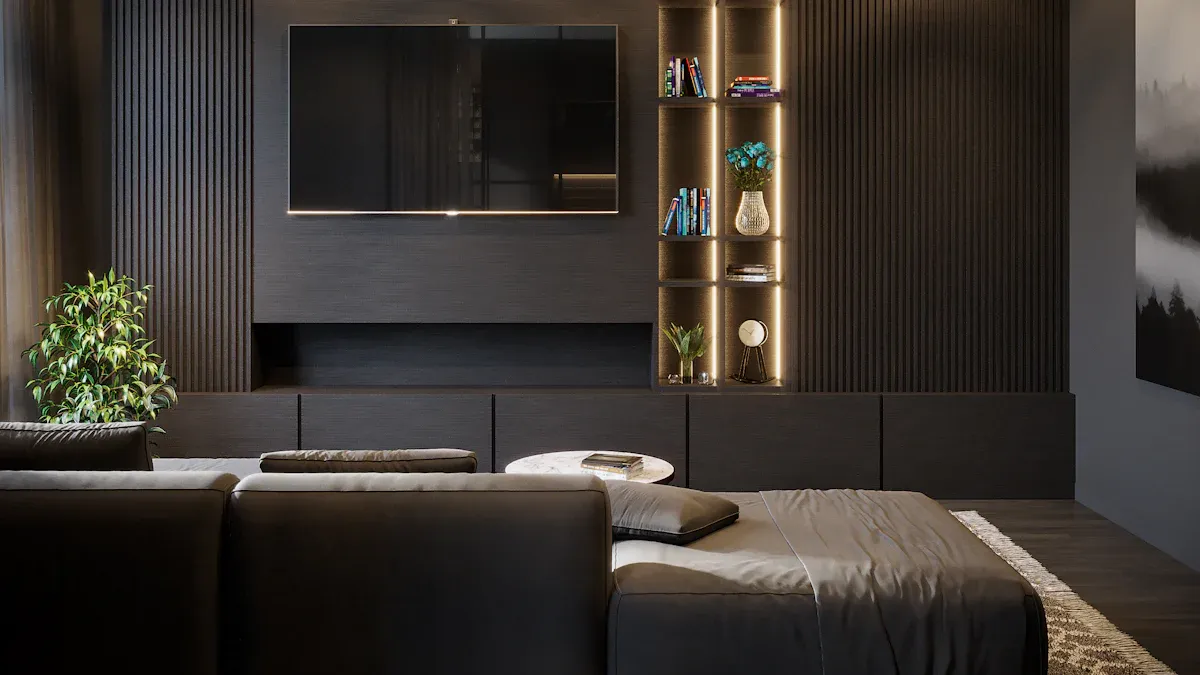
You know that feeling when you walk into your Home and realize a light just isn’t right? Maybe you want a cozy vibe in your living room or bright energy in your kitchen. Choosing light bulbs like four pin light bulbs can make all the difference. You want to match the right Product to your fixture for comfort, savings, and less hassle. Four pin light bulbs offer energy efficiency, long life, and great brightness. Led Light options can set the mood, from warm to cool. About Us, we always say: pick bulbs that fit your space and needs.
Key Takeaways
Four pin light bulbs are also called four prong bulbs. They come in CFL, LED, and fluorescent types. Each type works best in different places.
To pick the right bulb, check if it fits your fixture. Think about how big your room is. Decide how bright you want the light to be. This helps the bulb work well and saves energy.
LED bulbs use the least energy. They use up to 90% less energy than incandescent bulbs. They last longer and help you save money.
Think about color temperature when you choose bulbs. Warm light makes a room feel cozy. Cool light helps you focus and see better.
Clean your bulbs often and look for flickering. This can help your four pin light bulbs last longer. It also makes your lighting better.
What Are Four Pin Light Bulbs?
Four Pin vs. Four Prong Light Bulb
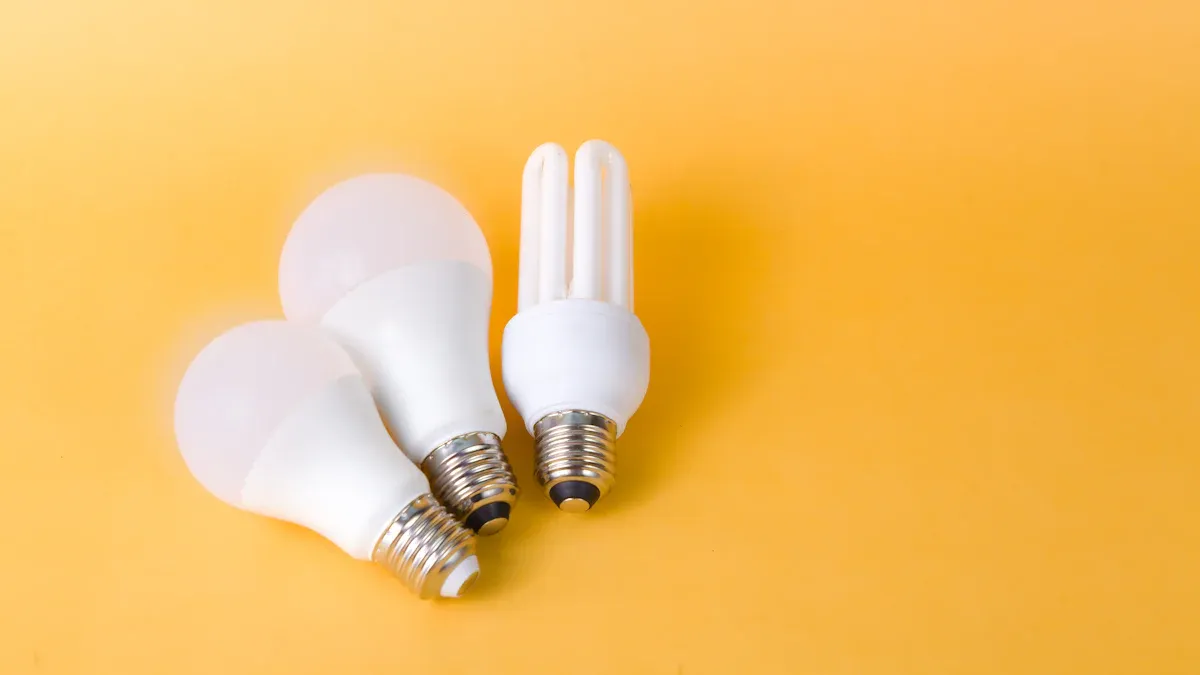
You might hear people talk about a four pin light bulb or a four prong light bulb. These terms mean the same thing. Both describe a bulb with four metal pins or prongs at the base. These pins help the bulb connect to the fixture and get power. You will find these bulbs in different types, like compact fluorescent, LED, and even some high-intensity discharge bulbs. Each type works best for certain jobs.
Here’s a quick look at the main types you might see:
Type | Description |
|---|---|
Compact Fluorescent Lamps | Energy-efficient bulbs with a longer lifespan than incandescent bulbs, ideal for general lighting. |
Offer greater energy efficiency and durability, suitable for various environments. | |
High-Intensity Discharge | Designed for powerful lighting in larger spaces, though less common in four prong configurations. |
You can spot a four prong light bulb by looking at the base. The four pins line up in a row or a square. This design keeps the bulb steady and makes sure it fits only in the right fixture.
Common Uses and Fixtures
You will see four prong light bulbs in many places. Offices, schools, hospitals, and even some homes use them. These bulbs work well in ceiling fixtures, recessed lighting, and wall sconces. They give off bright, even light, which helps in spaces where you need to see clearly.
Check out this table to see which fixtures match with four prong light bulbs:
Fixture Type | Compatibility |
|---|---|
G24q-1 | Yes |
G24q-2 | Yes |
G24q-3 | Yes |
GX24q-1 | Yes |
GX24q-2 | Yes |
GX24q-3 | Yes |
You can use these bulbs for various applications. They fit well in places where you want energy savings and strong, steady light. Next time you look up at a bright office or hallway, you might spot a four pin light bulb at work!
Types of Four Prong Light Bulbs
When you look for the right four prong light bulb, you will see a few main types. Each one has its own features and works best in different places. Let’s break down the most common light bulb types you will find.
CFL Four Pin Bulbs
CFL stands for compact fluorescent lamp. You might see these bulbs in offices, schools, or even your kitchen. They use less energy than incandescent bulbs and last much longer. CFL four prong light bulbs come with different base types. Here’s a quick table to help you spot them:
Base Type | Description |
|---|---|
G24Q-1 | Specific 4-pin base for CFLs |
G24Q-2 | Another variant of G24Q base |
G24Q-3 | Further variant of G24Q base |
2G11 | 4-pin base type for CFLs |
2G10 | Broader term for other tubes |
2GX10q | Specific 4-pin base for CFLs |
You will also find GX10Q bases on some CFL bulbs. These bases help you match the bulb to your fixture. GX24 bases are shorter, so they fit in both shallow and deep sockets. CFL bulbs give you steady light and save energy compared to incandescent or halogen bulbs.
LED Four Pin Bulbs
LED bulbs are the most energy-efficient light bulb types you can buy. They use only 20-25% of the energy that incandescent bulbs need. You can expect them to last up to 50,000 hours or more. That means you will change bulbs less often and save money over time. LED four prong light bulbs also stay cool, so they work well in places where heat is a problem. You will see led bulbs in offices, stores, and even homes. They come in many shapes and sizes, so you can find the right fit for your fixture.
Bulb Type | Energy Consumption | Lifespan |
|---|---|---|
LED | 20-25% of incandescent | 50,000 hours+ |
CFL | 70% less than incandescent | 6,000-15,000 hours |
Incandescent | 100% (baseline) | 750-1,000 hours |
Halogen | N/A | 2,000-4,000 hours |
Fluorescent Four Pin Bulbs
Fluorescent four prong light bulbs are another popular choice. You will find these types in garages, basements, and workshops at home. They are also common in kitchens and laundry rooms. In commercial spaces, these bulbs light up drop ceilings and large rooms. High-output types work well in factories and warehouses for safety and bright light. Fluorescent bulbs last longer than incandescent or halogen bulbs, but not as long as led bulbs.
Tip: When you choose between these light bulb types, think about where you will use them and how often you want to change them. Each type has its own strengths!
Advantages of Four Prong Light Bulbs
Energy Efficiency Benefits
When you pick a four prong light bulb, you get great energy efficiency. These bulbs use less energy than old incandescent bulbs or halogen bulbs. You will see lower bills because the bulbs waste less energy as heat. Most four prong light bulbs, like CFL and LED, turn more energy into light. This means you get bright rooms without using a lot of power. If you want to help the planet and save money, energy efficiency should be at the top of your list. You can use these bulbs in many places and still enjoy strong, steady light.
Tip: Switching to four prong light bulbs can cut your energy use by more than half compared to older bulbs!
Longevity and Cost Savings
You want bulbs that last a long time and save you money. Four prong light bulbs do both. They outlast incandescent bulbs and halogen bulbs by thousands of hours. Take a look at this table to see how long each type lasts and what it means for your wallet:
Light Type | Lifespan (Hours) | Upfront Cost | Lifetime Cost |
|---|---|---|---|
Incandescent | 1,000 | Low | High |
Halogen | 3,000 | Low | High |
CFL | 10,000 | Medium | Low |
LED | 50,000 | High | Low |
You will notice that CFL and LED four prong light bulbs have much longer lifespans. Even if you pay more at first, you save money over time. You will not need to change bulbs as often, and you will spend less on energy. That is one of the biggest advantages of four prong light bulbs.
Bright, Even Lighting
You want your space to feel bright and comfortable. Four prong light bulbs give you even lighting that covers the whole room. These bulbs do not leave dark corners or harsh shadows. You can use them in offices, kitchens, or hallways and get the same strong light everywhere. The efficiency of these bulbs means you get more light for less energy. You can trust a four prong light bulb to make your space look its best every day.
Enjoy steady, flicker-free light
Light up large areas with fewer bulbs
Get the right brightness for any room
The efficiency, long life, and bright light are just a few of the advantages of four prong light bulbs. When you choose these bulbs, you make your space better and save energy at the same time.
Assessing Your Space
Fixture Compatibility
You want your new four pin light bulb to fit and work well in your fixture. Start by checking a few important things:
Base type and socket size: Look at the pins on your old bulb and match them to the new one.
Wattage and maximum limits: Make sure the bulb does not use more power than your fixture allows.
Dimming features compatibility: Some bulbs work with dimmers, but others do not.
Fixture type (enclosed or recessed): Some bulbs need more space for air to cool them down.
Heat dissipation considerations: Bulbs can get hot, so check if your fixture lets heat escape.
Color temperature matching: Pick a bulb that gives the right kind of light for your space.
Manufacturer’s guidelines: Always read the instructions from the maker.
Mixing traditional and LED light bulbs is not recommended unless you ask a lighting professional or electrician.
When you check these things, you make sure your bulb lasts longer and works safely. This step helps you get the most out of your energy efficiency goals, too.
Room Size and Brightness
Think about how big your room is and how much light you need. A small bathroom needs less light than a large kitchen or office. If you use too few bulbs in a big room, you get dark spots. If you use too many in a small room, the light feels harsh.
Here’s a quick way to match room size to brightness:
Room Type | Suggested Lumens (Brightness) |
|---|---|
Small Bathroom | 500-800 |
Bedroom | 800-1,200 |
Kitchen | 1,500-3,000 |
Living Room | 1,500-3,000 |
Office | 2,000-4,000 |
You can add up the lumens from each bulb to reach the total you want. If you want better energy efficiency, choose bulbs that give more light with less power. LED four pin bulbs are a great choice for this.
Choosing Color Temperature
Color temperature changes how your room feels. You can pick warm, cool, or daylight tones. Warm light (2700K-3000K) feels cozy and soft. Cool light (3500K-4100K) feels bright and clean. Daylight (5000K-6500K) looks crisp and helps you see details.
Ask yourself these questions:
Do you want a relaxing space? Try warm light.
Do you need to focus or work? Pick cool or daylight bulbs.
Do you want your colors to look true? Daylight bulbs help with that.
If you want the best energy efficiency, look for bulbs that match your color needs and use less power. You can enjoy the right mood and save money at the same time.
Tip: Test different color temperatures in your space before you buy a lot of bulbs. You might like a mix for different rooms.
By thinking about fixture compatibility, room size, and color temperature, you can pick the perfect four pin light bulb for your space. You get comfort, style, and energy efficiency all in one.
Comparing Four Pin Light Bulb Options
CFL vs. LED vs. Fluorescent
You have three main choices when you shop for four pin light bulbs: CFL, LED, and Fluorescent. Each type works a little differently and gives you unique benefits. Let’s look at how they stack up against each other.
Feature | CFL Four Pin | LED Four Pin | Fluorescent Four Pin |
|---|---|---|---|
Energy Use | Medium | Very Low | Medium |
Lifespan | 6,000–15,000 hours | 25,000–50,000 hours | 7,000–20,000 hours |
Brightness | Good | Excellent | Good |
Color Options | Limited | Wide Range | Limited |
Warm-up Time | Needs a few seconds | Instant | Needs a few seconds |
Dimmable | Sometimes | Often | Rarely |
Mercury Content | Yes | No | Yes |
Cost | Low | Higher upfront | Low |
CFL bulbs use less energy than old incandescent bulbs. You get decent brightness and a longer life. LED bulbs use the least energy and last the longest. You can find many color choices and instant light. Fluorescent bulbs work well for big spaces and give steady light, but they use mercury and need a few seconds to warm up.
Tip: If you want the best energy savings and less hassle, LED four pin bulbs are hard to beat. You pay more at first, but you save money over time.
Pros and Cons of Each Type
Let’s break down the good and bad points for each bulb type. This helps you pick the right one for your space.
CFL Four Pin Bulbs
Pros:
Save energy compared to incandescent bulbs
Last much longer than old bulbs
Cost less than LED bulbs
Work well in many fixtures
Cons:
Take time to reach full brightness
Contain mercury, so you must recycle them safely
Limited color choices
Not always dimmable
LED Four Pin Bulbs
Pros:
Use the least energy of all types
Last up to 50,000 hours or more
Instant full brightness
Many color temperatures available
Stay cool, so they work in tight spaces
No mercury inside
Cons:
Higher upfront cost
May not fit every older fixture
Some cheap models can flicker
Fluorescent Four Pin Bulbs
Pros:
Good for lighting large areas
Steady, even light
Lower cost than LED bulbs
Decent lifespan
Cons:
Contain mercury, which needs careful disposal
Take time to warm up
Limited color options
Not usually dimmable
Note: Always check your fixture before you buy. Some fixtures only work with certain bulb types.
You can see that each bulb type has strengths and weaknesses. If you want the longest life and best energy savings, LED bulbs are the top choice. If you need a budget option for a big space, fluorescent bulbs work well. CFL bulbs give you a middle ground. Think about what matters most for your space—energy use, brightness, color, or cost. That way, you pick the bulb that fits your needs.
Installation and Maintenance Tips
Safe Installation Steps
You want to stay safe when you install a four pin light bulb. Start by turning off the power at the switch or breaker. Let the old bulb cool down before you touch it. Hold the bulb by the base, not the glass, to avoid breaking it. Line up the pins with the socket and push the bulb in gently. You should feel it click into place. If you need to remove a bulb, pull it straight out without twisting. Always check the packaging for any special instructions from the manufacturer.
Tip: Wear gloves if you want to keep fingerprints off the bulb and protect your hands.
Maintenance and Replacement
You can make your bulbs last longer with a few simple habits. Dust the bulbs and fixtures every few months. Clean bulbs give off more light and stay cooler. If you notice a bulb flickering or looking dim, replace it soon. Always use the same type and wattage as your old bulb. If you have two bulbs in one fixture and one goes out, change both. This keeps your lighting even and prevents extra wear on the starter.
Task | How Often |
|---|---|
Dust bulbs/fixtures | Every 2 months |
Check for flicker | Monthly |
Replace in pairs | As needed |
Troubleshooting Issues
Sometimes, you might run into problems with your four pin light bulbs. Here are some common issues and what you can do:
If your bulb blinks or burns out quickly, check for a mismatch between the bulb and the ballast. You may need to replace the ballast.
If both bulbs in a fixture go out, replace them together. One bad bulb can cause both to stop working.
If a bulb glows dimly or the ends look orange, it’s time for a new bulb.
Frequent blinking can stress the starter. Replace the bulb if this happens often.
If the ends of the bulb glow but the bulb does not light up, the starter may be bad. Try replacing both the bulb and the starter.
Corrosion in the socket can cause poor contact. Clean the socket gently if you see any buildup.
Note: If you try these steps and your light still does not work, you may need help from an electrician.
Quick Checklist for Choosing Four Pin Light Bulbs
Compatibility
You want your four pin light bulbs to fit your fixture perfectly. Before you buy, check these things:
Measure the lamp length. Make sure it matches the distance between the lampholders in your fixture.
Look at the lamp pins. Remove your old bulb and measure the distance between the pins. This helps you find the right match.
Check the pin type. Common types include G13 bipin for T8 and T12 lamps, and G5 bipin for T5 lamps.
If you follow these steps, you will avoid the hassle of returning bulbs that do not fit.
Brightness
Different applications need different brightness levels. Use this table to help you pick the right four pin light bulbs for your space:
Type | Wattage | Lumens Range |
|---|---|---|
CFL 2G11 Base | 18W | 1200-1300 |
CFL 2G11 Base | 24W | 1800 |
CFL 2G11 Base | 28W | 2600-2800 |
CFL 2G11 Base | 36W | 2900 |
CFL 2G11 Base | 40W | 3150-3500 |
CFL 2G11 Base | 50W | 4000-4300 |
CFL 2G11 Base | 55W | 4800 |
HID (Metal Halide) | 100W | 5500-10000 |
HID (Metal Halide) | 175W | 12000-17000 |
HID (Metal Halide) | 250W | 17000-26900 |
HID (Metal Halide) | 400W | 30000-42000 |
CFL 2G7 Base | 32W | 1900-2650 |
CFL 2G11 Base | 42W | 2300-3200 |
Choose the right brightness for your room and its applications.
Color Temperature
Color temperature changes how your space feels. Warm tones around 3000K create a cozy mood, perfect for relaxing. Cooler tones near 4000K help you focus, making them great for work or study applications. If you want a bright, daylight look, try bulbs with a 5000K color temperature. Some bulbs, like the Plusrite 4028 CFL, give off a warm white light at 3500K, which feels welcoming.
Energy Efficiency
You can save money and energy by picking efficient four pin light bulbs. LED options use less power and last longer. CFLs also save energy compared to old bulbs. Look for bulbs with high lumens and low wattage for the best results. This helps you get the most out of your lighting in all your applications.
Tip: Energy-efficient bulbs are better for your wallet and the environment.
Application
Think about where you will use your four pin light bulbs. Offices, kitchens, schools, and hospitals all have different lighting needs. Some applications need bright, even light, while others need a softer glow. Match the bulb to the space and task. This way, you get the best lighting for every application in your home or business.
Choosing the right four pin light bulb makes your space brighter, saves you money, and helps the planet. Before you buy, use the checklist to match your bulb to your fixture and needs. Here’s what you get when you pick wisely:
LED bulbs use up to 90% less energy than old bulbs.
You save on electricity bills and cut down on waste.
Lower energy use means fewer greenhouse gases.
Take a look at your current lighting. If you feel unsure, talk to a lighting pro. Smart choices bring comfort, savings, and a greener home. 🌱
FAQ
What is the difference between four pin and four prong light bulbs?
You might hear both terms. They mean the same thing. Both describe bulbs with four metal pins at the base. These pins help the bulb connect to your fixture and power up.
Can you use a four pin bulb in any fixture?
No, you need to match the bulb’s base type and wattage to your fixture. Always check the socket and manufacturer’s instructions before you buy a new bulb.
How do you know which brightness to choose?
Look at the lumens listed on the package. For small rooms, pick bulbs with lower lumens. For large spaces, choose higher lumens. You can use this table for quick reference:
Room Type | Suggested Lumens |
|---|---|
Bathroom | 500-800 |
Kitchen | 1,500-3,000 |
Office | 2,000-4,000 |
Are four pin bulbs energy efficient?
Yes, most four pin bulbs use less energy than old incandescent bulbs. LED options save the most energy. You will see lower bills and less heat in your space.
What are future trends in four prong lighting technology?
You will see smarter bulbs with longer lifespans and better energy savings. Some new models connect to smart home systems. Expect more choices in color temperature and brightness.
See Also
Finding The Ideal LED Replacement Lights For Your Space
Choosing The Best LED Bulbs For Various Light Fixtures
Understanding LED Bulbs: Advantages And How To Choose