Understanding Types and Uses of LED Area Lights

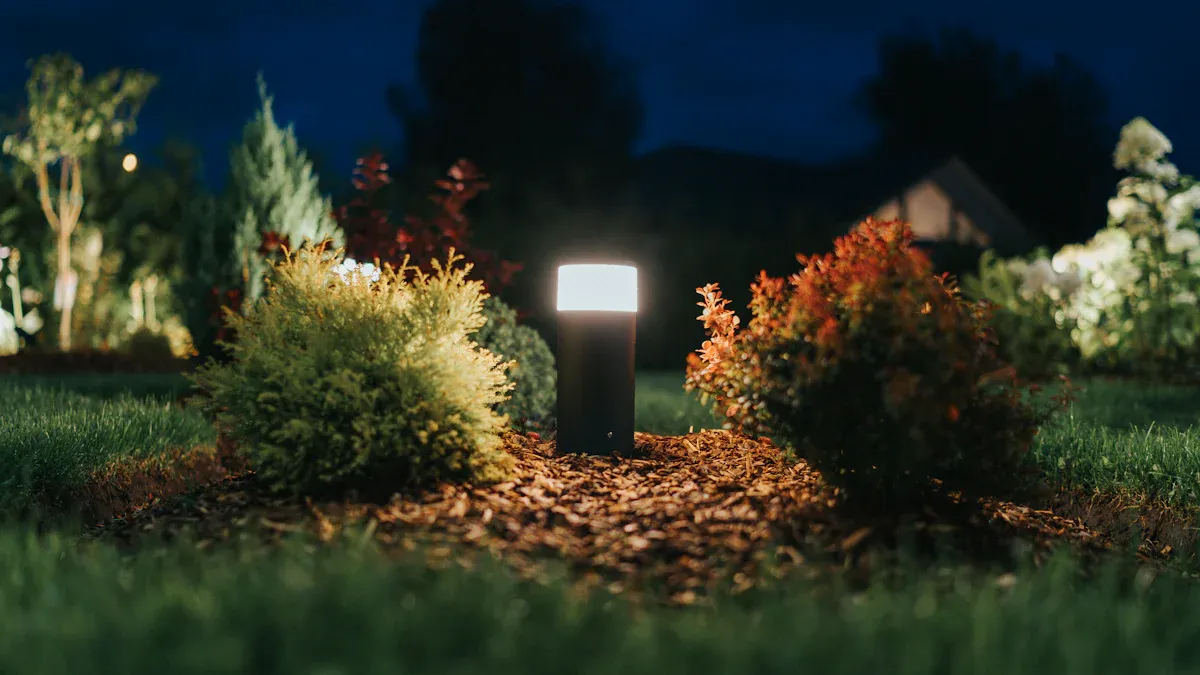
LED Area Lights are an excellent way to illuminate large spaces such as parking lots, walkways, and the exterior of buildings. These lights utilize advanced LED technology, making them a top choice for energy efficiency and safety. LED Area Lights are now widely used in outdoor lighting, with a 51.4% adoption rate.
By choosing LED Area Lights, you can save about 75% more energy compared to traditional incandescent bulbs, and they last up to 25 times longer. Upgrading your lighting not only reduces your energy bills but also benefits the environment and enhances the safety of your home or business. To make the best choice, it’s important to learn about each Product and how to install your Led Light fixtures. Welcome to About Us—your trusted resource for Home and commercial LED lighting solutions.
Key Takeaways
LED area lights use less energy and last longer than old bulbs. They can lower your electric bills by up to 75%.
There are different LED area lights, like flood lights and wall packs. Each type has a special job. They help keep places safe and bright outside.
Picking the right brightness and light spread is very important. You should think about lumens and beam patterns for your space.
Check for energy-saving labels like ENERGY STAR and DLC. These show the lights are good quality and may help you get rebates.
Clean your LED area lights and check the wires often. This helps them work well and last longer.
What Are LED Area Lights
LED area lights make big outdoor spaces brighter. You see them in parking lots and walkways. They are also used on the outside of buildings. These lights use LED technology. This makes them work better and last longer than old lights. LED area lights help people see and stay safe. They come in many shapes and sizes. You can pick the best one for your space.
Key Features Of LED Area Lights
LED area lights have special features. They give strong light that spreads out evenly. This helps you see well in large areas. Many LED area lights can be mounted in different ways. You can point the light where you want it. The housings keep out rain, dust, and wind. These lights turn on right away. They do not need to warm up. LED area lights work well in hot or cold weather.
Tip: Pick LED area lights made with good materials. They last longer and work better outside.
Here is a table that shows what parts are in LED area lights and what they do:
Component | Function | Common Materials / Notes |
|---|---|---|
LED Chip (Emitter) | Makes light from electricity | GaN, InGaN, GaAs |
Phosphor | Changes blue or UV light to white | YAG:Ce, silicate-based phosphors |
Substrate / PCB | Holds chips and helps with heat | Aluminum, copper, ceramic |
Heat Sink | Moves heat away so lights keep working | Aluminum, copper |
Driver / Power Supply | Gives steady power to the LEDs | ICs, capacitors, inductors |
Lens / Optics | Aims the light and sets the beam angle | PMMA, polycarbonate, glass |
Housing / Enclosure | Protects and holds the lights | Aluminum, steel, plastics |
Seals & Gaskets | Stops water and dust from getting in | Silicone, EPDM rubber |
Connectors & Wiring | Connects power and LED parts | Copper wires, terminal blocks |
Benefits Of LED Technology
LED technology gives you many good things. LED area lights use less energy than old lights. This saves you money on your bills. These lights last a long time. You do not need to change them often. LED area lights do not get very hot. This keeps your space cooler and safer. The color and brightness stay the same. LED area lights are better for the environment. They do not have bad chemicals. You can count on these lights to work well outside. They give you safe and steady light every night.
Types Of LED Area Light Fixtures
There are many kinds of led area light fixtures. Each type works best in certain places. Picking the right led area lights helps keep spaces safe and bright. You also save energy.
Note: The table below lists main led area light fixture types and their uses.
Category | Description |
|---|---|
Pole-Mounted LED Area Lights | Good for big outdoor spaces like parking lots and highways. You can adjust them to different heights. |
Wall-Mounted LED Area Lights | Best for smaller areas. You attach them to walls to light paths and work spots. |
Flood LED Area Lights | Made for wide, bright lighting. People use them in parks and sports fields. |
Architectural LED Area Lights | These look nice and work well. They make spaces look better and give light. |
Specialized LED Area Lights | These include motion-sensor, solar-powered, and color-changing lights for special needs. |
Flood Lights
Flood fixtures shine wide, bright light. You use them for parks, sports fields, and building outsides. Flood fixtures use much less energy than old lights. They last a long time, often 25,000 to 50,000 hours. The light stays strong and colors look real, so you see better.
You can set flood fixtures to make shadows and highlights.
Theaters, galleries, and homes use colored flood fixtures for mood.
Flood fixtures make places safer by making them brighter.
You save money because flood fixtures use less power.
Tip: Use colored flood fixtures for parties or to make a cozy feel.
Parking Lot Lights
Parking lot fixtures light up big outdoor spaces. You see these led area lights on tall poles in parking lots and garages. These fixtures give strong light and help people feel safe. Pick the right brightness and pole height for your space.
Area Type | Recommended Lumens | Pole Height Range |
|---|---|---|
Narrow Premise | 14000 lumens | 10 to 20 feet |
Expansive Premise | 42000 lumens | Taller than 20 feet |
Use fixtures with a 150x85 degree angle for wide light.
Put fixtures every 15-20 feet for small lots.
For big lots, use fixtures every 25-30 feet.
Parking lot fixtures help you save energy and keep areas safe at night.
Street Lights
Street fixtures light up roads and walkways. These led area lights help drivers and walkers see well. Street fixtures must follow strict safety and efficiency rules.
Requirement | Specification |
|---|---|
Power Factor | ≥ 0.9 |
Efficiency (lm/W) | 90-100 |
Maintenance Rate (3000 hr) | ≥ 96% |
Maintenance Rate (6000 hr) | ≥ 92% |
Protection Level | IP65 |
Power Supply Certification | Required |
Street fixtures use led technology to last longer and use less energy. You get steady light for busy city areas.
Wall Pack Lights
Wall pack fixtures go on building outsides. You use these led area lights to light paths, doors, and work spots. Wall pack fixtures give focused light and help keep places safe. You can pick styles that match your building. These fixtures stand up to weather and last for years.
Tip: Put wall pack fixtures near doors and loading docks for extra safety.
Canopy Lights
Canopy fixtures work well in gas stations and drive-throughs. These led area lights give bright, even light under roofs and covers. Canopy fixtures use strong aluminum housing and have an IP65 rating, so they handle all weather. You save up to 75% on energy costs compared to old lights.
Canopy fixtures make your business look friendly.
The right color temperature helps people pay attention.
These fixtures stop crime and meet safety rules.
A bright canopy area brings in more customers and builds trust.
High Mast Lights
High mast fixtures light up very big spaces, like stadiums, airports, and shipping yards. You put these led area lights on tall poles, often over 50 feet high. High mast fixtures use strong led chips to cover wide areas. You get bright, even light for safety and seeing well. These fixtures work in tough weather and need little care.
Recessed And Track Fixtures
Recessed fixtures fit into ceilings and give smooth, even light. You use these led area lights for general lighting in offices, stores, and homes. Track fixtures go on rails and let you point the light where you want. Track fixtures are easy to put in and move. Recessed fixtures take more work to install but look neat.
Track fixtures show off art, displays, or work spots.
Recessed fixtures make a calm, bright space for daily use.
Note: Track fixtures need only one power connection. Recessed fixtures may need a pro to install.
Bulbs, Tubes, Strips, And Panels
You can use led bulbs, tubes, strips, and panels for many lighting needs. These led area lights fit homes, offices, schools, and stores.
LED Type | Common Applications |
|---|---|
LED Bulbs | Replace old bulbs in homes and fixtures. |
LED Tubes | Replace fluorescent tubes in businesses and homes. |
LED Strips | Give accent lighting and decoration. |
LED Panels | Good for offices, schools, healthcare, and stores. |
Offices, schools, and clinics use led panels for bright, even light.
Homes and stores use led strips for accents and displays.
Art galleries and museums use led bulbs and tubes for focused light.
You can mix these fixtures to get the best led area lights for your space.
Outdoor LED Lighting Applications
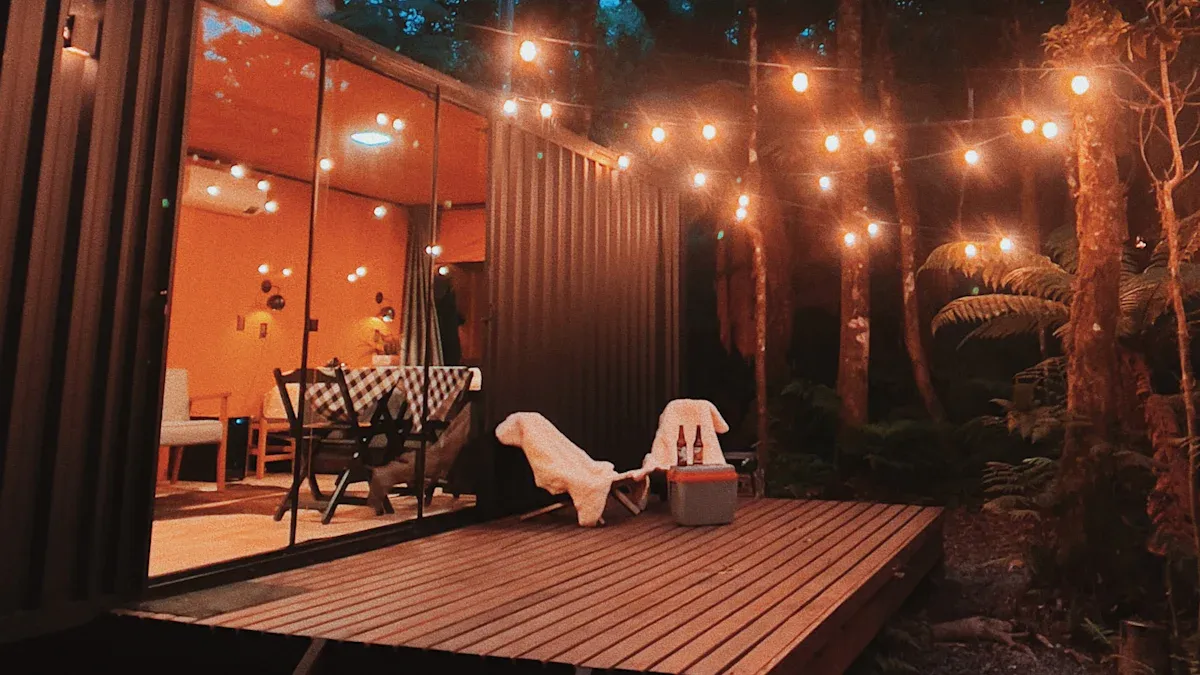
Outdoor led lighting helps make places safer and brighter. It also makes spaces feel more friendly. You can use led area lights in homes, businesses, and public spots. Each outdoor led light has a special job.
Security And Safety Lighting
You want your yard or driveway to be safe. Outdoor led flood lights and motion sensor lights help with security. Motion sensor lights turn on when they see movement. This saves power and keeps you aware. Flood lights shine over big areas like driveways and parking lots. They give strong light and help stop accidents and trespassers.
Motion sensor lights only turn on when needed.
Flood lights light up large outdoor spaces.
Parking Lots And Garages
Parking lots need bright lights that work well. Led area lights turn on fast, so you do not wait. Outdoor led lights in garages and lots help people see better. There are fewer dark places, so people feel safe.
Benefit | Description |
|---|---|
Instant-on Illumination | Lights turn on quickly for safety. |
Improved Visibility and Color | Wide beams cut down shadows and dark spots. |
Long-Lasting Durability | Led area lights last long and handle bad weather. |
Exceptional Brightness | Brighter than old lights, so parking lots are safer. |
Energy Efficiency | You can save up to 70% on power. |
Eco-Friendly | No bad mercury and easy to recycle. |
Roadways And Walkways
Street lights help you see and stay safe outside. Outdoor led lights for roads and paths are tough and resist water and bumps. Led area lights make busy and dark places easier to see. They use less power and need less fixing.
Feature | Description |
|---|---|
Enhanced Visibility | Led area lights make crossings and paths safer. |
Durable Design | Built to last in hard outdoor weather. |
Energy Efficiency | Uses less power and needs little care. |
Building Exteriors
Outdoor led lighting changes how buildings look and feel. Led area lights show off building shapes and make doors brighter. You make a friendly place and help people feel safe. Good lighting stops crime by lighting up dark spots.
Outdoor lighting sets the mood for guests.
Led area lights highlight building shapes.
Bright spaces keep away intruders and lower accidents.
Even lighting helps people feel safe and sure.
Sports Fields And Parks
You need strong outdoor led lights for sports and parks. Led area lights with special certifications save energy. Pick the right beam angle for your space. Use dimming and motion sensors to control light and save power.
Use narrow, medium, or wide beams for different spots.
Put lights high for even coverage.
Follow setup steps to keep lights safe from weather.
Pro sports fields use both 30º and 60º beam angles to light the whole field evenly.
Specialty And Niche Uses
Outdoor led lighting works for many special needs. You find led area lights for streets, building accents, and big spaces. High mast lights are good for highways and big parking lots. Post top lights work well in parks. Canopy led lights light up covered outdoor places.
Type of LED Area Light | Description and Use |
|---|---|
Roadway Luminaires | Put on poles for street lighting. |
Post Top Lights | Made for parks and paths. |
Architectural Luminaires | Match building style. |
Wall Mounted Lights | Light up small outdoor areas. |
High Mast Lights | Shine over big outdoor spaces. |
Floodlights | Point light at certain outdoor spots. |
Outdoor led lights have many uses. You can pick the best outdoor lighting for your needs.
Choosing The Right LED Area Lights
When you want to light up a large area, you need to pick the right lights for your needs. The right choice helps you save energy, improve safety, and get the best results for your space. Let’s look at what you should think about before buying new lighting.
Assessing Lighting Needs
Start by looking at your area and what you want to achieve with your lighting. You need to know how much light you need, where you need it, and why. Think about how people use the area and what problems you want to solve. For example, do you want to make a parking lot safer, or do you need to light up a walkway for pedestrians?
Here is a table to help you assess your lighting needs:
Factor | Description |
|---|---|
Traffic volumes | Look at how many cars or people move through the area. More traffic means you need more light. |
Presence of crosswalks | Make sure crosswalks are well-lit so people can cross safely. |
Nighttime crashes | If accidents happen at night, you may need better lighting. |
Extent of raised medians | Medians can block light, so check if you need extra lights. |
Full Lighting | Use full lighting for areas like intersections where you need even light everywhere. |
Partial Lighting | Use partial lighting for key spots, like entrances or exits. |
Delineation Lighting | Use this to mark important places, like the start of a walkway. |
Point-score criteria | Some cities use a scoring system to decide how much lighting an area needs. |
Benefit/cost analysis | Compare the cost of new lights to the benefits, like fewer accidents and lower bills. |
Tip: Walk around your area at night to see where you need more light. Take notes on dark spots or places where people gather.
Performance Factors (Lumens, Kelvin, CRI)
You want your lights to do a good job. Three main things affect how well your lighting works: lumens, Kelvin, and CRI.
Lumens: This tells you how bright the light is. Use more lumens in places where you need to see clearly, like parking lots or sports fields. Use fewer lumens in relaxing areas, like gardens.
Kelvin: This measures the color of the light. Warm lighting (2700K-3000K) feels cozy and works well in places where you want a soft glow. Neutral to cool lighting (4000K-6500K) is best for places where you need to see details, like driveways or work areas.
CRI (Color Rendering Index): This shows how true colors look under the light. A CRI of 90 or higher is best for places where color matters, like art displays or shop fronts.
Note: Always check the product label for lumens, Kelvin, and CRI before you buy. The right mix gives you the best lighting for your area.
Light Distribution Types
The way your lights spread across an area is called the distribution pattern. Picking the right pattern helps you cover the space without wasting energy or leaving dark spots.
Pattern | Description | Typical Applications |
|---|---|---|
Type I | Narrow distribution, good for straight paths | Walkways, narrow sidewalks |
Type II | Slightly wider, oval-shaped | Wider walkways, narrow roads |
Type III | Medium, wider than long | Roadways, parking areas |
Type IV | Wide, for edges and perimeters | Wall-mounted lighting, wide roads |
Type V | Circular, even in all directions | Open areas, intersections, squares |
Choosing the right distribution type makes your lighting safer and more effective. For example, use Type I for a path, and Type V for a big open parking lot.
Energy Efficiency And Cost
You want to save money and help the planet. Energy efficiency is key when choosing the best led area light. Look for lights that use less power but still give you the brightness you need.
Energy efficiency ratings help you pick lights that lower your electric bills.
High efficiency means you use less energy and support green goals.
Compare costs before you buy. The cheapest light may cost more in the long run if it uses more power or needs more repairs.
Think about the energy-saving benefits. LED area lights last longer and use less energy than old lights, so you save money over time.
Tip: Check the wattage and efficiency rating on the box. Pick lights with high efficiency for the best savings.
Certifications And Compliance
You want your lighting to be safe, reliable, and up to code. Look for these certifications when you shop for led area lights:
DLC (DesignLights Consortium): Needed for many rebates and shows the light is high quality for businesses.
ENERGY STAR: Means the light meets strict energy efficiency rules.
UL and ETL Listing: Shows the light is safe and has passed fire and electrical tests.
CE (Conformité Européenne): Needed in Europe, shows the light meets health and safety rules.
RoHS (Restriction of Hazardous Substances): Means the light does not have harmful stuff like mercury or lead.
Building & Energy Codes: Standards like ASHRAE 90.1 and IECC make sure your lighting is efficient and legal.
Note: Always check for these marks on the package. Certified lights are safer, last longer, and may qualify for rebates.
By thinking about your area, lighting needs, performance, distribution, energy efficiency, and certifications, you make a smart choice. Choosing the best led area light gives you bright, safe, and energy-saving benefits for years to come.
Installation Best Practices For LED Area Lights
Site Preparation And Safety
You want your installation to be easy and safe. First, look at your area and plan where you need the most light. Clean and dry all surfaces before you start. This helps your fixtures stick better and last longer. Always wear safety gear like rubber-soled shoes, gloves, and goggles to keep safe during installation.
Tip: Walk around your site during the day and at night. This helps you find dark spots that need more light.
Mounting And Positioning
Putting your led area lights in the right place is important. Pick good fixtures that fit your lighting needs. Place your lights so they cover the area evenly and stop dark spots. Use extension brackets that fit your fixtures and make adjusting easy. Think about weather like rain or sun and pick strong materials.
Put fixtures so their light overlaps to stop shadows.
Use timers or control systems to save energy and manage brightness.
Set up your lights for safety, landscape, or business needs.
Electrical Connections
Safe wiring keeps your lights working well. Figure out the amperage by dividing the fixture’s wattage by voltage. Make sure your circuit can handle the power. Use surge protectors to keep your system safe. Match wire colors and twist them together tightly. Wrap connections with electrical tape to keep out water.
Always wear safety gear and check your work before turning on the power.
Ventilation And Heat Management
Good airflow helps your led area lights last longer. Air cools the parts, like a fan in a computer. Pick fixtures that let heat escape. Make sure nothing blocks the vents. This stops overheating and keeps your lights working well.
Maintenance Tips
Taking care of your lights keeps them bright. Clean covers and diffusers often to help the light shine and save energy. Look for signs of overheating, like bent plastic or dark spots. Check wires every six to twelve months. Change covers if they turn yellow or cloudy. Update smart controls for new features and better use.
Following these tips helps you get the best from your led area lights.
You have learned about the main types of LED area lights and where each works best. Choosing the right lighting for your area helps you save energy and stay safe. Always check your needs before you buy new lights. If you feel unsure, talk to a lighting expert. Start exploring LED area lights to brighten your property today!
FAQ
What makes LED area lights better than traditional lights?
LED area lights use less energy and last much longer. You save money on electricity and replacement costs. These lights turn on instantly and work well in all weather.
How do you choose the right brightness for your space?
Check the size of your area and how you use it. Look for lumens on the package. Bigger spaces need more lumens. Use a table to compare recommended brightness for different areas.
Area Type | Recommended Lumens |
|---|---|
Walkway | 2,000–4,000 |
Parking Lot | 14,000–42,000 |
Sports Field | 30,000+ |
Can you install LED area lights yourself?
You can install some LED area lights if you follow safety steps. Always turn off the power first. For complex wiring or high fixtures, ask a professional for help.
Do LED area lights work in cold or wet weather?
LED area lights work well in cold and wet conditions. Look for fixtures with IP65 or higher ratings. These ratings show the lights resist water and dust.
How often should you clean or check your LED area lights?
Check your lights every six months. Clean covers and lenses to keep light bright. Look for damage or loose wires. Regular care helps your lights last longer.
See Also
Exploring LED Area Lights: Varieties, Uses, and Setup Tips
Understanding LED Area Lights: Uses, Advantages, and Setup Guidelines
A Deep Dive into Indoor LED Lamps: Varieties and Benefits
All You Need to Know About LED Lamps: Types and Uses
LED Indoor Lighting Solutions: Efficiency, Varieties, and Applications