Simple Steps for Responsible LED Bulb Disposal


You just replaced old led light bulbs at Home and now wonder if you can toss them in the trash. Led bulb disposal is different from CFLs, which contain mercury, and from incandescent bulbs, which are not hazardous. LEDs have no toxic materials, so you do not need special disposal, but recycling helps protect the environment. You can drop them off at a Product recycling center. Learn more About Us and do your part for a cleaner planet.
Key Takeaways
Do not put LED bulbs in the regular trash. They have small amounts of heavy metals that can hurt the environment.
Always look up your local rules for throwing away LED bulbs. Some places have special rules that say you must recycle them.
Recycling LED bulbs helps keep the environment safe. It stops harmful stuff from going into landfills and saves resources.
Take LED bulbs to local drop-off centers or use mail-in programs to recycle them. Many stores also let you recycle LED bulbs.
Be careful with broken LED bulbs. Wear gloves and put the broken pieces in a bag before throwing them away.
Can You Throw Away LED Light Bulbs?
When you are done with led light bulbs, you may ask if you can throw them away. The answer is not always the same. It depends on where you live and what kind of bulb you have. Led bulb disposal is different from other bulbs. Some places have special rules. It is important to know these rules.
LED Bulb Disposal vs. Other Bulbs
You should know how led bulb disposal is different from other bulbs. The table below shows the main differences:
Bulb Type | Disposal Requirement | Hazardous Status |
|---|---|---|
LED | Must be disposed of at hazardous waste facilities or special collection events. | Hazardous |
CFL | Should be recycled due to mercury content; not to be thrown in regular trash. | Hazardous |
Incandescent | Can be disposed of in regular trash; not considered hazardous. | Non-hazardous |
Led bulb disposal often needs more care than incandescent bulbs. CFLs have mercury, so you should recycle them. Incandescent bulbs are not dangerous, so you can throw them away in most places.
Local Rules for LED Bulb Disposal
Rules for throwing away led light bulbs can change by state or city. In the United States, there is no federal law that says you cannot put LED bulbs in the trash. But some states, like California, have strict rules. They do not let you throw away LED bulbs with your regular garbage. These bulbs can have things that hurt the environment.
Tip: Always check your local waste website or call your city’s recycling center before you throw away any bulbs. This helps you follow the rules and keeps your community safe.
There is no federal law against putting LED bulbs in the trash.
States like California have rules that do not allow this because LED bulbs can have harmful materials.
By learning your local rules, you make sure you handle led bulb disposal the right way and help protect the planet.
Why LED Bulb Disposal Matters
Environmental Impact of LED Light Bulbs
Some people think LED bulbs are good for the earth because they use less energy. But if you throw them in the trash, they can still cause harm. LED bulbs have small amounts of heavy metals like lead, arsenic, and nickel. These metals can leak into the ground and water if you do not recycle the bulbs the right way. This pollution can hurt plants, animals, and people over time.
The plastic and electronic parts in LED bulbs do not break down fast. They can stay in landfills for a very long time. When you recycle, you keep these materials out of the ground and help cut down on landfill waste. Recycling also saves important resources and means we do not need to make as many new bulbs. This helps slow down global warming.
Note: Throwing LED bulbs in landfills wastes resources and puts bad stuff into the environment. You can help keep the earth safe by taking bulbs to e-waste places for proper disposal.
Safety and E-Waste Concerns
You should think about safety when you get rid of LED bulbs. If you put them in the trash, they might break and let out toxic dust. This dust can be bad for people and animals. E-waste is a big problem because many electronics, like LED bulbs, end up in landfills instead of e-waste centers.
Here are some reasons why it is important to throw away bulbs the right way:
LED lamps have metals that can make them hazardous waste.
Pollutant organic compounds in LEDs can hurt the environment.
Burning or dumping LEDs outside can cause health problems.
E-waste recycling keeps harmful things out of the air, soil, and water.
You can help by taking old bulbs to e-waste centers or using recycling programs. This easy step helps keep your community safe and makes the planet cleaner.
How to Dispose of LEDs Responsibly
Check Local LED Bulb Disposal Guidelines
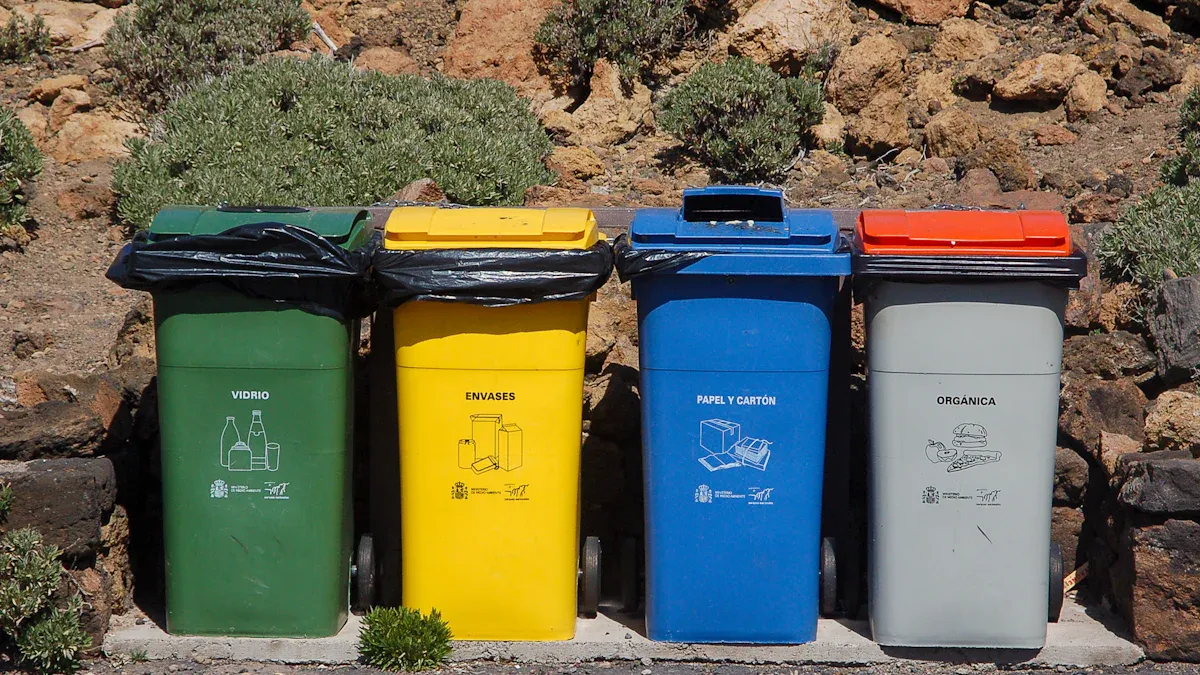
Always look up your local LED bulb disposal rules first. Each city or county can have its own rules. Some places let you put used LED bulbs in the trash. Others want you to handle them in a special way. You can find out what to do by:
Calling your local waste management office for disposal choices.
Asking stores like The Home Depot if they recycle LED bulbs.
Checking the U.S. Environmental Protection Agency website for recycling spots.
Using Recycle by City to get guides for your area.
Tip: Local programs can change often, so check before you throw away bulbs.
Prepare LED Light Bulbs for Disposal
Get your LED bulbs ready before recycling or dropping them off. Be careful when you handle bulbs so they do not break. If a bulb breaks, small parts like chips and boards are hard to clean up. Most LED bulbs have plastic or aluminum cases, metal sinks, and boards with tiny amounts of heavy metals. These need special care.
Here are easy steps to get bulbs ready for disposal:
Turn off the power and let the bulb cool down.
Take the bulb out of the socket gently.
Put the bulb in its box or wrap it in newspaper.
Keep used LED bulbs in a safe spot until you can recycle them.
Recycle LEDs at Retailers and Centers
Many big stores in the United States recycle LED bulbs. You can use their drop-off programs to recycle bulbs safely. The table below shows some good choices:
Retailer | Recycling Program Details |
|---|---|
Home Depot | Has boxes for LED bulbs, incandescent bulbs, and fluorescent tubes. |
Lowe's | Offers similar boxes for recycling LED bulbs. |
You can also ask local recycling centers if they take LED bulbs. Not all centers can recycle LED bulbs, so call first. Recycling saves up to 95% of the materials in each bulb. This helps save resources and keeps bad stuff out of landfills.
Mail-In and Special Recycling Programs
If you do not have recycling centers nearby, mail-in programs like BulbCycle can help. These services let you recycle LED bulbs from home. You can buy mail-back kits for small or medium numbers of bulbs. For lots of bulbs, you can ask for a bulk pickup and get a price.
Here is how most mail-in recycling programs work:
Buy the right recycling containers online.
Fill the containers with your used LED bulbs.
Set up a pre-paid pickup to send them to the recycling center.
Get a recycling certificate after they process your bulbs.
The price covers the container, shipping, recycling fees, and the certificate. You can pay with a credit card or ask for purchase order approval. Mail-in programs cost $1 to $5 per bulb. These services help people in rural areas where there are no local programs.
Note: Mail-in programs make recycling easy, but not all centers take LEDs. The process can be hard because LED bulbs have more parts than old bulbs. Still, recycling gets back most of the materials and helps with safe disposal.
When you follow these steps, you help the earth and make sure LED bulb disposal is done right.
Handling Broken or Smart LED Bulbs
Safe Cleanup for Broken LED Bulbs
Broken LED bulbs can create safety risks in your home. You may see sharp glass pieces on the floor. These can cut your skin if you touch them. Some broken bulbs can release hazardous substances that may harm the environment. You should clean up broken bulbs with care.
Follow these steps to stay safe:
Put on gloves before you touch any broken pieces.
Use stiff paper or cardboard to pick up large fragments.
Sweep up small pieces with a damp paper towel.
Place all broken parts in a sealed plastic bag.
Dispose of the bag at a recycling center or hazardous waste facility.
Tip: Never use a vacuum cleaner for broken bulbs. This can spread dust and tiny glass pieces in your home.
Broken bulbs may release mercury vapor, which can be dangerous for people nearby. Hazardous substances from bulbs in landfills can contaminate groundwater and soil. This pollution can affect plants, animals, and even your food supply. Always handle broken bulbs with care to protect yourself and the environment.
Dispose of Smart LED Light Bulbs
Smart LED bulbs have electronic parts inside. You should not throw them in the regular trash. Recycling helps save resources and keeps harmful materials out of landfills.
You can recycle smart LED bulbs at local drop-off points. Many home improvement stores, such as Home Depot and Lowe's, offer bins for recycling LED bulbs. These stores accept both standard and smart bulbs.
Smart LED bulbs do not need special disposal compared to regular LEDs.
Both types should go to recycling centers, not the trash.
LED bulbs contain glass, metals, and electronic parts that need proper recycling.
Recycling reduces electronic waste and helps reuse valuable materials.
Note: Always check with your local recycling program for the best way to dispose of smart LED bulbs. Proper recycling keeps your community and the planet safe.
Common Mistakes in LED Bulb Disposal
Throwing LEDs in Regular Trash
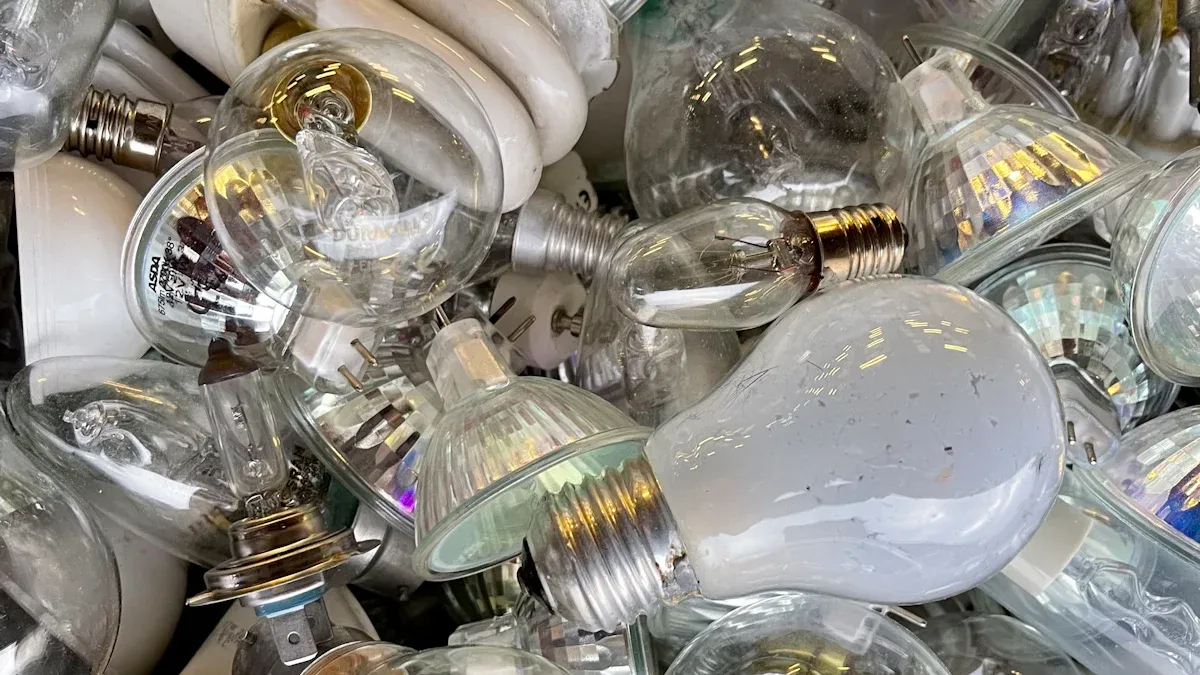
Some people throw LED bulbs in the trash because it seems easy. They might not know this is risky. LED bulbs have small amounts of lead and arsenic. If you put them in the trash, these can leak out. The chemicals can get into the dirt and water. This can hurt animals and even people. Broken bulbs can also let out toxic dust in your house.
Tip: It is always better to recycle LED bulbs. Recycling keeps dangerous stuff out of landfills and helps the earth.
Here are some problems if you throw LEDs in the trash: They can pollute soil and water. They can hurt animals and plants. People can be exposed to toxic things. You might break local rules about the environment.
Never put LED bulbs and CFLs together. CFLs have mercury and need special care. Each bulb type needs its own way to be thrown away.
Missing Local Recycle LEDs Options
Many people do not know about local ways to recycle LED bulbs. Some skip recycling because it seems hard or they do not know how. Some cities have special programs to help you recycle bulbs. You can use WM's At Your Door Special Collection® to get bulbs picked up at home. Recycle By Mail lets you send bulbs to a center with a kit. The "What Can I Recycle?" guide tells you how to recycle bulbs and electronics.
Note: Always check your city’s website or ask about e-waste programs before throwing away LED bulbs. Rules can change and new recycling choices may show up.
People often do not recycle bulbs for these reasons: Recycling seems too hard. They do not know the right way. The bulbs have dangerous materials that can cause problems.
You can help the earth by learning about local recycling programs and using them. Proper disposal keeps your community safe and stops pollution.
You can make a big difference by disposing of LED bulbs the right way. Follow these steps:
Wrap used bulbs to prevent breakage.
Check your local rules for disposal.
Use recycling drop-off sites or mail-back kits.
Store broken bulbs safely.
Recycling LED bulbs protects groundwater, saves resources, and supports jobs in your community. Share these tips with friends and family. Choose to recycle every time—together, we help build a cleaner, safer future. ♻️
FAQ
Can you recycle LED bulbs with regular household recycling?
You cannot put LED bulbs in your regular recycling bin. Most curbside programs do not accept them. You should take LED bulbs to a recycling center or use a mail-in program.
Do LED bulbs contain hazardous materials?
LED bulbs do not have mercury, but they may contain small amounts of metals like lead or nickel. These metals can harm the environment if you throw bulbs in the trash.
Where can you drop off old LED bulbs?
You can drop off old LED bulbs at many home improvement stores, such as Home Depot or Lowe’s. Some local recycling centers also accept them. Always call first to check.
What should you do if an LED bulb breaks?
Put on gloves and pick up large pieces with cardboard. Use a damp paper towel for small bits. Place everything in a sealed bag. Take the bag to a recycling center.
Are smart LED bulbs recycled differently than regular LEDs?
You recycle smart LED bulbs the same way as regular LEDs. Both types have electronic parts. You should use a recycling center or a mail-in program for safe disposal.
See Also
How To Replace Fluorescent Tubes With LED Lights
Complete Guide To Switching From Fluorescent To LED Lighting
How To Install High Bay LED Lighting Efficiently