LED Bulb Recycling

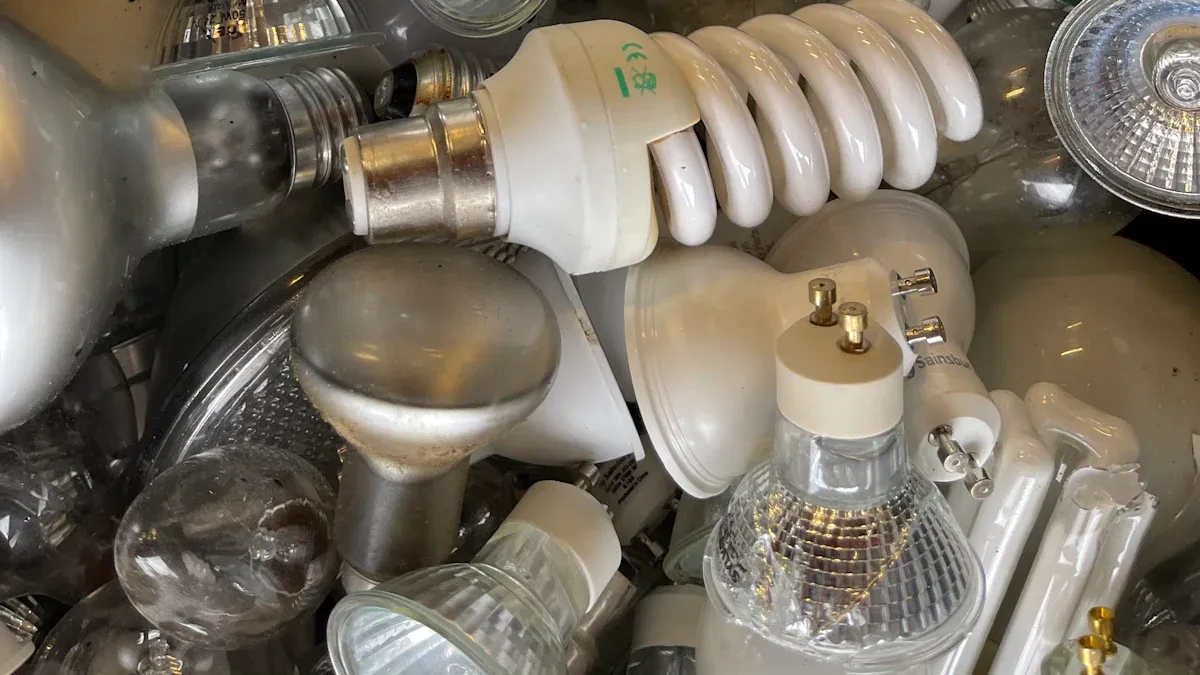
You can participate in LED Bulb Recycling by taking your used LED bulbs to a recycling center or a store that accepts them. Do not throw LED bulbs in the trash, as they contain materials that can harm the environment.
Only 17.4% of e-waste, including LED bulbs, is recycled worldwide. Most LED bulbs end up in landfills, which increases pollution.
Hazardous Material | Description |
|---|---|
Lead | A dangerous heavy metal that can pollute the environment if not recycled properly. |
Copper | Can also cause pollution and health issues if disposed of incorrectly. |
Heavy Metals | Even small amounts can contaminate soil and water, posing risks to health and nature. |
Lead Solder | Found in circuit boards, making LED bulbs potentially hazardous waste. |
LED Bulb Recycling benefits your community and makes a real difference. Use simple recycling guides to get started. For more information about LED Bulb Recycling, visit our About Us or Product pages to learn how to safely dispose of your LED light.
Key Takeaways
Recycle LED bulbs to help the environment. They have dangerous things like lead and arsenic. These can make soil and water dirty.
Always keep used LED bulbs in a strong box. Wait until you can bring them to a recycling center. This stops them from breaking and keeps your home safe.
Put LED bulbs in a different pile from other bulbs like CFLs. This makes recycling easier and safer for workers.
Look for recycling places at stores like Home Depot or Lowe's. Many towns have drop-off spots for old bulbs.
Teach your friends and family about LED bulb recycling. Sharing what you know helps make communities cleaner and safer.
Why LED Bulb Recycling Matters
Environmental Impact
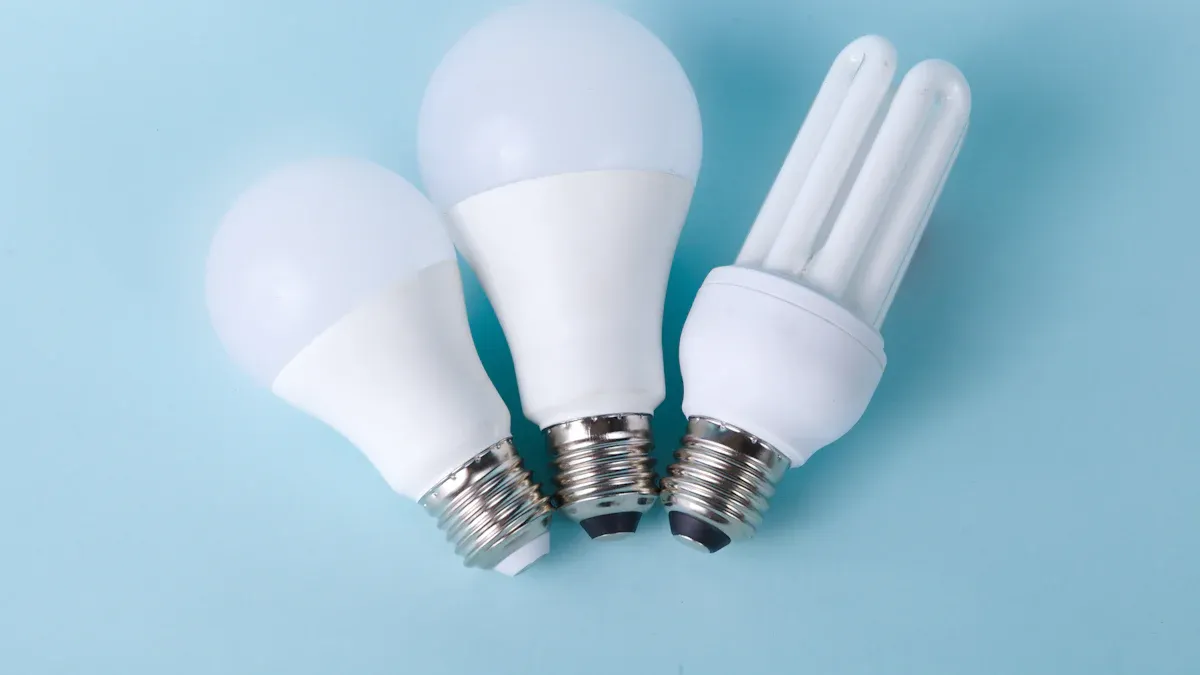
Recycling LED bulbs helps keep the Earth safe. These bulbs have things like lead, nickel, and arsenic inside. If you throw them away, these can get into the ground and water. This can hurt plants, animals, and people.
Recycling LED bulbs has many good effects:
You stop dangerous chemicals from going into landfills.
You make less trash by not throwing away as many bulbs.
You help cut down greenhouse gases because recycling uses less energy than making new bulbs.
You help save natural resources by reusing important materials.
You help keep the world cleaner and safer for everyone.
LED bulbs last longer than other bulbs. You do not need to change them as often, so there is less trash. More people are using LED lights now, so there will be more old bulbs to recycle. Recycling programs and new ideas will be needed to deal with all this waste.
Health Risks
Throwing away LED bulbs the wrong way can hurt your health. If bulbs break in the trash, they can let out harmful stuff. Lead and arsenic can get into water and cause big health problems. Some states say you cannot put LED bulbs in landfills because of these dangers.
Here is a table that lists some dangerous things found in LED bulbs:
Substance | Type of LED Bulb | Quantity (relative to California law) |
|---|---|---|
Lead | Low-intensity red LEDs | Up to 8 times the allowed amount |
Lead | White bulbs | Least amount of lead |
Nickel | White bulbs | High levels |
Arsenic | Low-intensity red LEDs | Significant cancer and noncancer potentials |
You can stay safe by recycling bulbs the right way. Recycling keeps bad materials away from your home and your neighborhood.
LED Bulb Materials
Key Components
When you look inside an LED bulb, you find several important parts that work together to produce light. Each part has a special job. Here is a table that shows the main components and what they do:
Component | Function |
|---|---|
LED Chip | Produces light when an electric current passes through it, made from semiconductor materials. |
Heat Sink | Moves heat away from the LED chip to keep it cool and make it last longer. |
Driver | Controls the power going to the LED chip, making sure the light stays steady and safe. |
Housing | Holds all the parts together and protects them, often made from materials that help with cooling. |
Base | Connects the bulb to the light socket, comes in different shapes for different fixtures. |
Lens/Optics | Spreads the light evenly and can change how the light looks. |
LED bulbs use semiconductor materials to make light. This is different from incandescent bulbs, which use a metal filament, or fluorescent bulbs, which use gas and special coatings. White LEDs often use a mix of colors or a coating called phosphor to create the right shade of light.
Special Handling Needs
You need to handle LED bulbs with care when recycling them. Some parts can harm the environment if you throw them away in the trash. Here are some things to remember:
LED bulbs contain heavy metals like lead and nickel. These can leak into soil and water if not recycled properly.
The electronic parts and glass need careful recycling to stop pollution.
Plastic and circuit boards in the bulbs do not break down quickly. They can stay in landfills for hundreds of years.
Laws like the Universal Waste Rule in California make it illegal to throw LED bulbs in regular trash. These rules help keep people and nature safe.
Tip: Always store used LED bulbs in a safe container until you can take them to a recycling center. This keeps your home safe and helps protect the environment.
LED Bulb Recycling Steps
Safe Removal and Storage
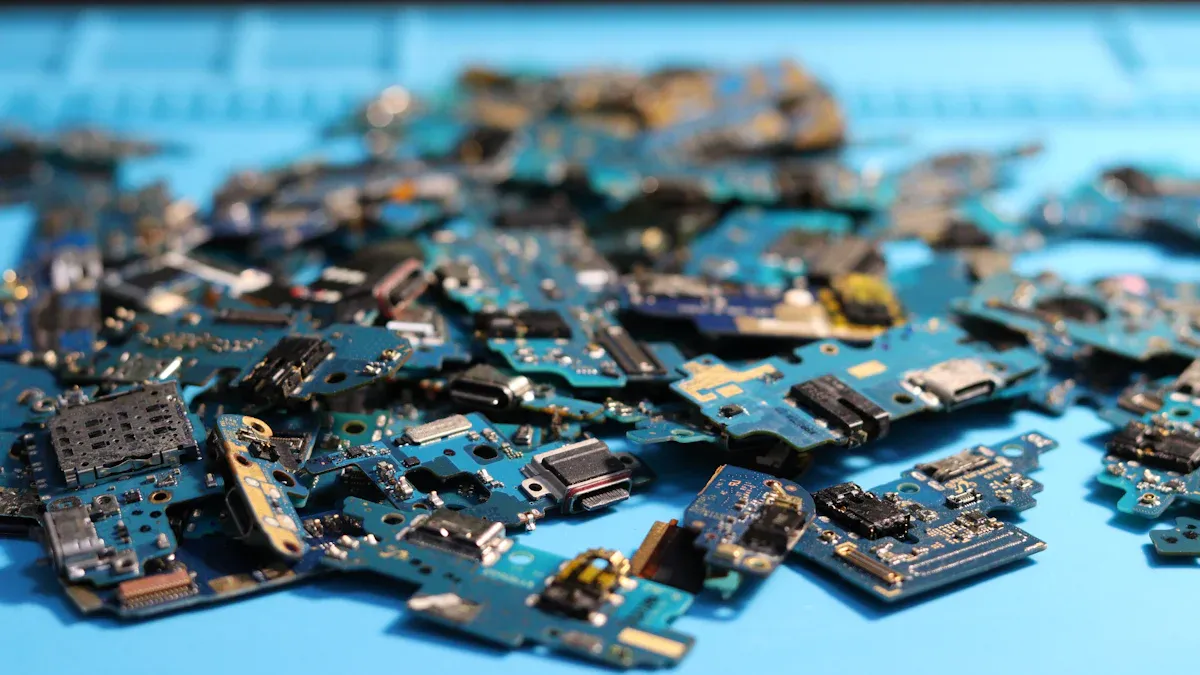
Take out LED bulbs with care. Always turn off the power first. Hold the base and twist slowly. This helps stop the glass from breaking. Put used bulbs in a strong box or container. This keeps them safe until you recycle them. If you use a bag, make sure it will not rip or leak. Keeping bulbs safe protects your home and the environment.
Tip: Keep used bulbs away from kids and pets. Store them in a cool, dry spot until you can recycle them.
Sorting Bulbs
Sort your bulbs before recycling. Keep LED bulbs apart from other types. CFLs need special care because they have mercury. Mixing bulbs makes recycling harder. Sorting helps workers stay safe. It also makes recycling easier for everyone.
Do not put LED bulbs with CFLs or fluorescent tubes.
Look for labels or marks on each bulb.
Put sorted bulbs in different containers.
Finding Recycling Locations
There are many places to recycle LED bulbs. Some stores and local centers take used bulbs. Home Depot, Lowe's, and Batteries Plus have recycling programs. These stores have bins or kits for bulbs. Local places like Topaz Court Solid Waste Facility also help. Many towns list recycling centers online.
Here is a table with examples of recycling services:
Service Type | Description |
|---|---|
Bulb Recycling | National pickup and recycling kits for lamps, batteries, and e-waste. |
Compliance | Safe, compliant lamp recycling solutions for fluorescent, LED, and HID lamps. |
Eco-friendly Solutions | Tailored recycling services designed to keep hazardous materials out of the environment. |
Some companies, like Clean Harbors, recycle many kinds of bulbs. They take straight tubes, U-tubes, and round lamps. You can visit their website for more information.
Note: Over 95% of an LED light can be recycled. You help the Earth when you recycle LED bulbs.
What Not to Do
Never throw light bulbs in the regular trash. LED bulbs have heavy metals like lead, arsenic, and nickel. These can leak into the ground and water if thrown away. Pollution from landfills can hurt plants, animals, and people. Throwing bulbs away the wrong way can harm soil and water.
Here are mistakes you should not make:
Throwing LEDs in the trash.
Mixing LED bulbs with CFLs.
Not following local recycling rules.
Always follow your town’s rules for LED bulb recycling. Check the guidelines before you throw away bulbs. Using the right recycling keeps you and the environment safe.
After Recycling
Recycling Process
When you recycle LED bulbs, special machines and workers do the job. They break apart the bulbs and sort out the different parts. This keeps people and nature safe. Here is a table that shows what happens at recycling centers:
Step | Description |
|---|---|
1 | LED bulbs get crushed by a crusher. |
2 | Magnetic materials are pulled out with a magnetic separator. |
3 | Aluminum is separated from other metals using an eddy current separator. |
4 | Workers take apart circuit boards and plastics by hand. |
5 | Waste circuit boards go to a special plant for safe disposal. |
You can see workers taking bulbs apart and sorting the pieces. Machines use crushing, shaking, and different ways to separate the parts. They use things like magnets and gravity to help. These steps help save more materials, sometimes almost all of them. You make this easier when you sort and store bulbs the right way before recycling.
Tip: Sorting your bulbs at home helps recycling centers get more good materials and keeps dangerous waste out of landfills.
Material Reuse
After recycling, the parts from bulbs can be used again. When you recycle LED bulbs, you help save new resources. The process gets metals like copper, aluminum, and silver. Companies use these to make new things. LED bulbs last a long time, so you already help save resources by using them.
Recycling gets back useful materials, so we need less mining.
Better recycling technology helps save even more resources.
Closed-loop recycling means materials get used again, making less waste and needing fewer new materials.
Here is a table that shows how using recycled LED bulb parts helps the Earth:
Evidence Description | Impact on Environment |
|---|---|
Closed-loop recycling cuts down harm to the environment compared to not recycling. | Lower harm when more recycling is done. |
Choosing the right materials and recycling can cut harm by over half. | Good recycling makes a big difference. |
Closed-loop systems let us use materials again, so we need fewer new ones. | Materials last longer and we use less new stuff. |
Recycling helps keep the planet clean and healthy. You help use fewer resources and stop pollution. Every time you recycle a bulb, you help the world.
You can protect your health and the planet by recycling LED bulbs the right way. Remember these steps:
Never throw LED bulbs in the trash or curbside bins.
Seal used bulbs in a plastic bag before taking them to a recycling center.
Use drop-off programs at stores like Home Depot or mail-back kits.
Teach friends and family about safe recycling.
Recycling LED bulbs keeps toxic chemicals out of the environment and supports cleaner communities.
Incentive Type | Details |
|---|---|
LED Lamp Rebates | Get rebates for recycling up to 50 bulbs per year. |
Appliance Disposal Rebate | Earn rewards for proper disposal with proof of recycling. |
Share what you learn and help others recycle safely!
FAQ
Can I recycle broken LED bulbs?
Yes, you can recycle broken LED bulbs. Place the pieces in a sealed bag or container. Take them to a recycling center or a store with a recycling program. This keeps harmful materials out of the environment.
Where can I find LED bulb recycling locations?
You can find recycling locations at stores like Home Depot, Lowe’s, and Batteries Plus. Many local waste facilities also accept LED bulbs. Check your city’s website for more options.
Do LED bulbs contain mercury like CFLs?
No, LED bulbs do not contain mercury. They have other metals like lead and nickel. You still need to recycle them properly to protect the environment.
What should I do if I cannot find a recycling center nearby?
Tip: Ask your local hardware store if they offer mail-back recycling kits. Some companies let you send used bulbs by mail. You can also contact your city’s waste department for help.
See Also
Best 10 Energy Efficient LED Bulbs for Lasting Use
Advantages of LED Street Lights: Efficiency and Easy Setup
Transforming High Bay Fixtures with LED Technology
Complete Guide to Switching Fluorescent Tubes to LED Lights
Understanding LED Bulbs: Features, Advantages, and Choosing Tips