LED Light Bulb Disposal: Local Regulations and Best Practices for Responsible Disposal

You may wonder if you can throw an LED light bulb in the trash at home. Most places do not allow you to dispose of LED light bulbs in regular garbage. These bulbs contain electronic components, and proper LED light bulb disposal is essential for protecting the environment. It also ensures the safety of your community. Always check local regulations before getting rid of any LED bulbs. Handle each product with care to prevent breakage. If you need more information, please visit our About Us page.
Key Takeaways
Do not put LED light bulbs in the trash. Look up your local rules for safe ways to throw them away.
Recycling LED bulbs stops dangerous stuff from hurting the earth. It also keeps people safe and healthy.
You can use local recycling centers to get rid of LED bulbs. Some stores have take-back programs. You can also mail them in for safe disposal.
Be careful when you handle LED bulbs so they do not break. Wrap them well before taking them to a recycling place.
Learn about your local rules for throwing away LED bulbs. This helps you get rid of them safely and the right way.
Can You Throw Away LED Light Bulbs?
You may think it is simple to throw away an old LED light bulb. But you should not put LED light bulbs in your regular trash. Many places have rules that make this kind of disposal unsafe or even against the law. LED light bulb disposal needs extra care because these bulbs have hazardous materials inside. You need to know the risks and rules before you get rid of any LED bulbs.
Trash Disposal Risks
If you throw LED light bulbs in the trash, you can hurt the environment and your health. These bulbs have hazardous materials that can cause problems if they end up in landfills. Here are some dangers you should know:
Hazardous materials like lead, arsenic, and nickel can leak into the ground and water.
If LED bulbs get crushed, hazardous dust can go into the air and cause pollution.
Throwing away bulbs the wrong way can make the ground and water dirty, which hurts plants and animals.
Toxic stuff from LED bulbs can get into the food chain and be dangerous for people.
The plastic and electronic parts in LED bulbs take a very long time to break down, so they add to landfill waste.
Hazardous heavy metals in LED bulbs can get into rivers and lakes and harm people and animals.
If you throw away LED bulbs without care, workers and others might get exposed to hazardous mercury and other toxic metals.
Making new bulbs causes more carbon emissions, which makes global warming worse.
Tip: Always use proper disposal or recycling for your LED bulbs. This helps keep your community and the planet safe from hazardous waste.
Universal Waste Rules
Some states treat LED light bulbs as universal waste. This means you have to follow special rules when you throw them away. Universal waste rules help keep hazardous materials out of the environment. For example, Minnesota has a universal waste program for LED lamps. If you live in a place with these rules, you must:
Use containers that are strong and will not break.
Keep containers closed and make sure they do not leak or get damaged.
Clean up any broken bulbs right away and keep the hazardous pieces safe.
Federal rules do not call LED bulbs universal waste. But some states have stricter rules. You should always check your local laws before you throw away any LED bulbs. Federal law says lamps include the bulb or tube part of any electric lighting device. LED bulbs fit this big definition, but not all places need special handling.
Here is a table that shows how universal waste rules are different for different types of bulbs:
Bulb Type | Universal Waste Classification | Disposal Method |
|---|---|---|
LED Bulbs | No (except some states) | Sometimes allowed in trash unless state laws apply |
CFLs | Yes | Must be recycled at certified facilities |
Fluorescent Tubes | Yes | Must be recycled at certified facilities |
You should always check your local rules for led light bulb disposal. Some states want you to recycle or handle LED bulbs in a special way because they have hazardous materials. Following these rules keeps hazardous materials out of landfills and keeps you healthy.
Why Responsible Disposal Matters
Environmental Impact
When you get rid of old lightbulbs the right way, you help nature. LED light bulbs have electronic parts and toxins that can hurt the earth if you just throw them away. Many people do not know that e-waste, like light-emitting diode bulbs, can leak toxins into dirt and water. This pollution can stay for a long time. Recycling stops these toxins from going into landfills and lets us use good materials again.
Here is a table that shows how recycling LED light bulbs helps the environment:
Benefit | Description |
|---|---|
Reduced Environmental Contamination | Recycling keeps bad things like mercury out of the ground and water. |
Reusable Materials | Many parts of LED bulbs can be used again, which saves energy and resources. |
Lower Carbon Footprint | LEDs make less carbon at the end of their life than old bulbs. |
You can see that recycling and throwing away e-waste like light-emitting diode bulbs the right way helps the earth and saves resources. When you recycle, you help stop the need for new materials and cut down on pollution.
Health and Safety
If you do not throw away lightbulbs the right way, it can be bad for your health and safety. Broken LED light bulbs can let out toxins in your house or neighborhood. These toxins can cause problems for people and animals. Here are some health risks you should know:
You can touch or breathe in toxic stuff from broken bulbs.
Dust or fumes can make it hard to breathe.
Sharp glass or metal can cut you.
Dirty water can hurt people and pets.
Waste workers can get sick from handling e-waste.
You could also start a fire or explosion if you put e-waste like light-emitting diode bulbs in the regular trash. Kids, pets, and workers can get hurt by sharp pieces or toxins. Throwing away and recycling bulbs the right way keeps everyone safer.
Note: Always follow local rules for led light bulb disposal. You keep yourself, your community, and the earth safe when you handle e-waste the right way.
Local Regulations for LED Light Bulb Disposal
Federal vs. State Laws
Not every place has the same rules for led light bulb disposal. Federal law does not call led light bulbs hazardous waste. So, you do not need to follow strict federal rules for getting rid of them. But many states have their own rules. Some states want people to recycle, and some make recycling a must with e-waste programs. You can see how rules are different in this table:
Regulation Type | Federal Law | State Regulations |
|---|---|---|
LED Bulbs | Not classified as hazardous waste. | Recycling encouraged; some states require recycling through e-waste programs. |
States like Maine, Vermont, Washington, and Oregon have laws that make companies help with recycling. These laws let you recycle led light bulbs for free. Other states, like California, have tough rules for labeling, storing, and moving bulbs. States such as New York and Texas have programs to help you throw away universal waste, like lightbulbs, the right way.
Note: Always check your state’s rules before you throw away or recycle any led light bulbs.
Finding Local Rules
Local rules can be different in each city or county. Many landfills or waste companies will take a few led bulbs for free. If you bring a lot, you might have to pay. Treat led bulbs like fluorescent lamps when you look for ways to get rid of them. Here are some tips to help you find the right rules:
Ask your local waste agency about led light bulb disposal.
Go to your city or county website for recycling and disposal rules.
Watch for special e-waste collection events near you.
You help keep your community and the earth safe when you follow local rules for recycling and disposal. Always pick the best way for your area to keep everyone safe.
LED Light Bulb Recycling Options
When you are done with a lightbulb, you have choices for recycling. You can go to a local recycling center. You can use a store’s take-back program. You can also try mail-in recycling. Each way helps you throw away bulbs the right way. These options keep dangerous stuff out of landfills. Pick the best way for your area and what you need.
Local Recycling Centers
A local recycling center is a safe place for old led bulbs. Many centers take different kinds of lightbulbs, including LEDs. Some centers might charge a small fee or have special rules. Always check the rules before you go. Here is a table with some recycling centers and what they need:
Recycling Center Name | Location | Requirements/Notes |
|---|---|---|
Batteries Plus Bulbs | Various locations in MN | Fees may apply; call for details |
Recycle Technologies | 10040 Davenport St NE, Blaine, MN | Mail-in program; fees may apply |
Repowered | 860 Vandalia St, St. Paul, MN | Fees may apply; call for details |
Dakota County Recycling Zone | 3365 Dodd Rd, Eagan, MN | Contact for costs, hours, and details |
Hennepin County Recycling Center and Transfer | 8100 Jefferson Hwy, Brooklyn Park, MN | Limited quantities; call for details |
South Hennepin Recycling and Problem Waste Drop-Off Center | 1400 W 96th St, Bloomington, MN | Limited quantities; call for details |
Ramsey County Environmental Center | 1700 Kent St, Roseville, MN | Contact for costs, hours, and details |
North Environmental Center | 6065 Headwaters Pkwy, Forest Lake, MN | Contact for costs, hours, and details |
South Environmental Center | 4039 Cottage Grove Dr, Woodbury, MN | Contact for costs, hours, and details |
You can find a recycling center by searching online or calling your city. Some centers have drop-off spots for bulbs. You can bring your bulbs during open hours. Always listen to the staff and follow their instructions. If you have lots of bulbs, ask about limits or fees. Using these centers helps you recycle led bulbs safely and helps your community.
Retailer Take-Back Programs
Many big stores let you drop off bulbs for recycling. These programs make it easy to recycle led bulbs when you shop. Home Depot and Lowe’s have recycling bins in their stores. You can find the bins near the front or by customer service. These stores want you to use their recycling programs to help the earth.
Here is a table with more about store take-back programs:
Retailer | Take-back Program | Participation Rate |
|---|---|---|
Home Depot | Yes | Widespread adoption projected by 2025 |
Lowe's | Yes | Widespread adoption projected by 2025 |
Home Depot: Has boxes for LED bulbs and other lights.
Lowe’s: Offers similar recycling for customers.
Tip: Ask a worker for recycling rules before you drop off bulbs. Some stores may limit how many bulbs you can bring at once.
Store take-back programs help you get rid of led bulbs the right way. These programs also teach people about recycling and get more people to join.
Mail-In Recycling
Mail-in recycling is another way to recycle old led bulbs. If you do not have a recycling center or store nearby, you can use mail-in programs. Companies like Republic Services, Veolia, HolidayLEDs, Environmental LED, and Christmas Light Source offer mail-in recycling for LED bulbs and holiday lights. You order a box, fill it with bulbs, and send it back for recycling.
Here is a table with some mail-in recycling choices and how to drop off bulbs:
Recycling Location | Drop-off Procedures |
|---|---|
Lowe’s | In-store recycling bins available; contact local store for details. |
Home Depot | In-store recycling bins available; contact local store for details. |
IKEA | In-store recycling bins available; contact local store for details. |
Batteries Plus | Accepts old LED bulbs for a fee; contact local store for details. |
Municipal Safety Departments | Recycling on specific days or at set locations; check with your city. |
Republic Services | Offers mail-in LED recycling services for a fee. |
Veolia | Offers mail-in LED recycling services for a fee. |
HolidayLEDs | Mail-in recycling for LED holiday string lights. |
Environmental LED | Mail-in recycling for LED holiday string lights. |
Christmas Light Source | Mail-in recycling for LED holiday string lights. |
Mail-in recycling gives you clear steps to follow. You can make sure your bulbs get there safely. This is good if you have lots of bulbs or cannot get to a center. Always check the company’s website for the newest rules and fees.
Note: Using mail-in or drop-off programs helps you throw away bulbs the right way and keeps dangerous stuff out of landfills.
You have many ways to recycle led bulbs. You can use a recycling center, a store’s drop-off, or a mail-in service. Each way helps recycling and protects the earth. When you follow the rules and pick the right program, you help your community and the planet.
Safe Handling and Preparation for Disposal
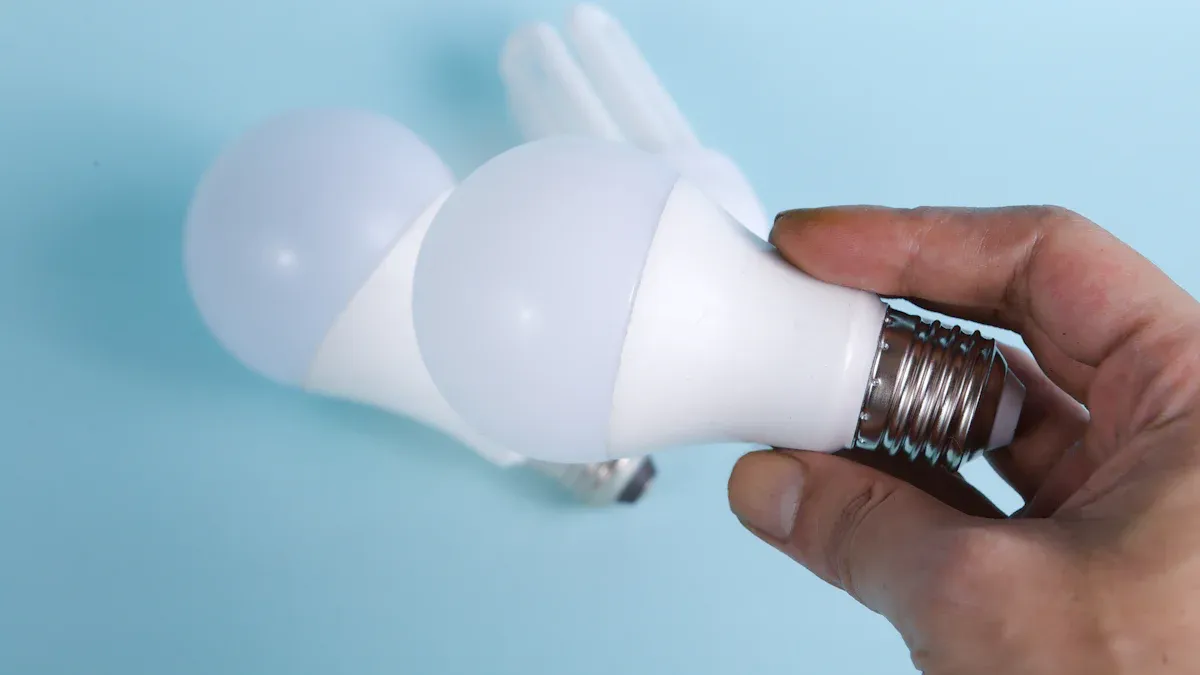
When you get ready for lightbulb disposal, you need to handle each step with care. Proper handling keeps you safe and helps the environment. You also make sure the led bulbs stay in good shape for recycling.
Removal Tips
Start by turning off the lamp or fixture. Unplug it if you can. Let the bulb cool down before you touch it. Use both hands to gently twist and remove the lightbulb. Hold the base, not the glass, to avoid breaking it. If the bulb feels stuck, do not force it. Try to wiggle it gently. If you drop or break a bulb, sweep up the pieces right away. Wear gloves to protect your hands from sharp glass or metal.
Tip: Always keep children and pets away when you remove or handle old bulbs.
Packaging for Transport
You need to package bulbs safely before you take them for recycling or disposal. Use the original box if you still have it. If not, wrap each bulb in newspaper or bubble wrap. Place the wrapped bulbs in a sturdy box. Fill empty spaces with soft material so the bulbs do not move around. Close the box tightly and label it as "Used Lightbulbs" or "For Recycling." This helps workers know what is inside.
Here is a simple table to help you remember safe packaging steps:
Step | What to Do |
|---|---|
Wrap bulbs | Use paper or bubble wrap |
Use sturdy box | Prevents crushing or breaking |
Fill empty spaces | Stops bulbs from moving |
Label the box | Write "Used Lightbulbs" |
Careful packaging keeps bulbs from breaking during transport. You protect yourself, workers, and the environment. Good preparation makes lightbulb disposal and recycling much safer for everyone.
What If No Local Recycling Centers Are Available?
Sometimes you cannot find a local place to recycle your old bulbs. You still have safe options for handling your used led bulbs. You can store them at home until you find a better solution. You can also look for other ways to manage their disposal.
Temporary Storage
You want to keep your used bulbs safe and unbroken while you wait for a recycling option. Here are some easy ways to store them at home:
Wrap each bulb in bubble wrap to stop it from breaking.
Place bulbs in egg cartons for extra protection and easy labeling.
Use plastic storage bins to keep bulbs dust-free and organized.
Try ornament organizers if you have many bulbs to store.
Arrange bulbs in plastic cups for a simple, do-it-yourself storage method.
Keep your storage area dry and out of reach of children or pets. Label your container so everyone knows what is inside. This helps you remember to recycle the bulbs when you get the chance.
Alternative Disposal Solutions
If you cannot find a recycling center nearby, you still have choices. Here are some steps you can take:
Contact your local city or town office. Ask if they have drop-off spots or special pick-up days for bulbs.
Use online tools like Earth911 or Productcare to search for recycling centers in your area.
Look for mail-in programs from manufacturers or recycling groups. These programs let you send bulbs away for safe recycling.
Get creative and upcycle old bulbs into decorations or useful items at home.
Tip: Never throw bulbs in the regular trash if you can avoid it. Safe storage and smart choices help protect your home and the environment.
You are important in safe led light bulb disposal. If you follow local rules, you help keep people and nature safe. Recycling led bulbs stops toxins from getting into landfills. It also lets us use good materials again. For the latest news, you can use these ideas: - Look up "LED bulb recycling near me" to find places close by. - Go to stores like Home Depot or Lowe’s and use their drop-off boxes. - Talk to your city to learn about recycling centers for electronics and bulbs. Always learn new things and pick the best way to get rid of each led lightbulb.
FAQ
Can you recycle LED light bulbs with regular household recycling?
No, you cannot put LED bulbs in your regular recycling bin. Most curbside programs do not accept them. You should take them to a recycling center, a store with a take-back program, or use a mail-in service.
What should you do if an LED bulb breaks?
You should wear gloves and carefully pick up the pieces. Use sticky tape for small bits. Place all parts in a sealed bag or box. Clean the area with a damp paper towel. Do not use a vacuum.
Are LED light bulbs hazardous waste?
Most places do not classify LED bulbs as hazardous waste. Some states treat them as universal waste because they contain small amounts of heavy metals. Always check your local rules before disposal.
Can you throw LED bulbs in the trash if no recycling is available?
You should avoid putting LED bulbs in the trash. If you have no recycling options, store them safely until you find a better solution. Ask your local waste agency for advice.
Do LED bulbs contain mercury like CFLs?
No, LED bulbs do not contain mercury. They use electronic parts and small amounts of metals. This makes them safer than CFLs, but you should still recycle them to protect the environment.
See Also
Understanding LED Light Bulbs: Features, Advantages, and Buying Guide
Exploring GE LED Light Bulbs: Key Features and Advantages
Benefits of LED Street Bulbs: Efficiency, Longevity, and Installation Insights
Effective Commercial Lighting: Strategies, Uses, and Best Practices
Comparing LED Streetlights and Traditional Lights: Efficiency and Cost