Why LED Street Bulbs Are the Smart Choice for Modern Lighting in 2026

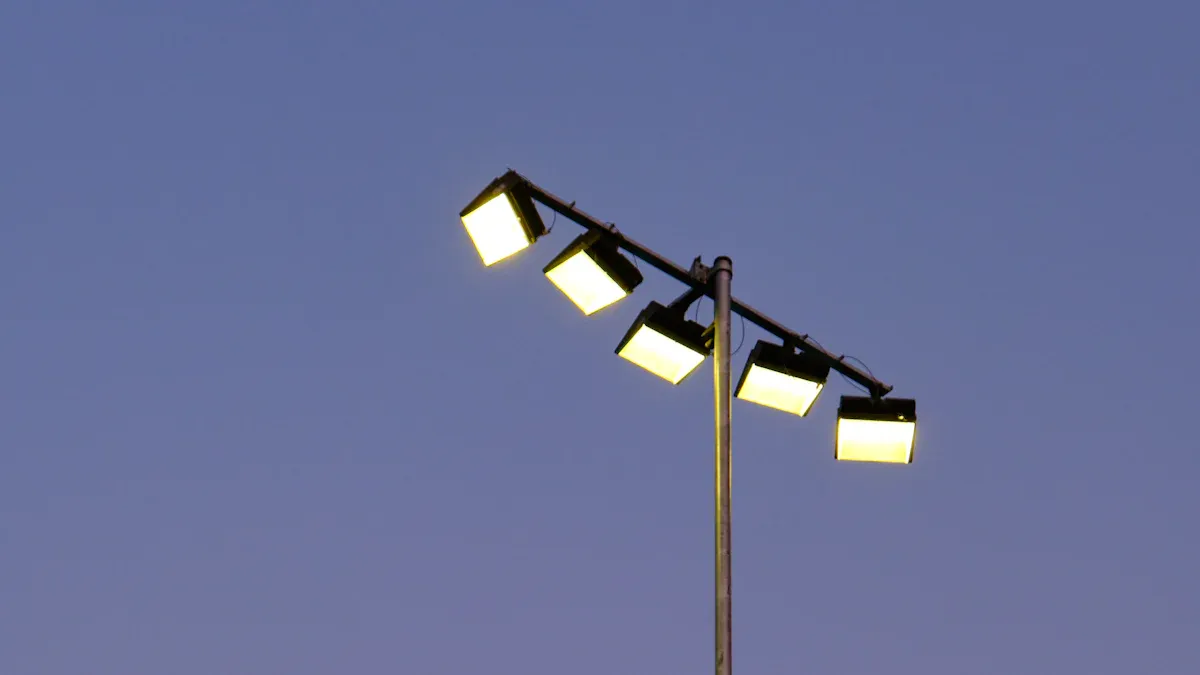
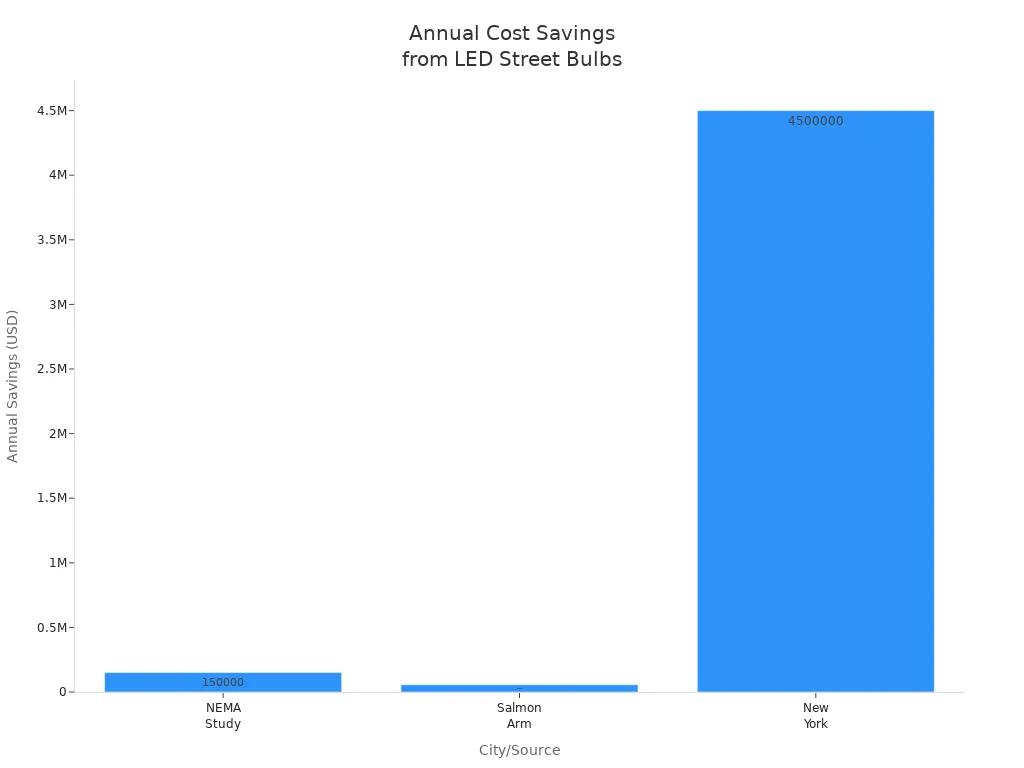
In 2026, LED street bulbs have gained immense popularity among cities due to their remarkable energy efficiency and long lifespan. These innovative bulbs come equipped with smart features that enhance safety for residents and contribute to environmental protection. Additionally, cities experience significant cost savings, as illustrated below. For more details, please visit our Home, About Us, and Product pages.
Key Takeaways
LED street bulbs use up to 80% less energy than old lights. This helps cities save a lot of money. These bulbs last much longer. Cities do not need to replace them often. This saves time and money on fixing lights. LED street lights make streets safer. They give brighter and even light. This helps lower accidents and crime.
Energy Efficiency of LED Street Bulbs
Reduced Power Consumption
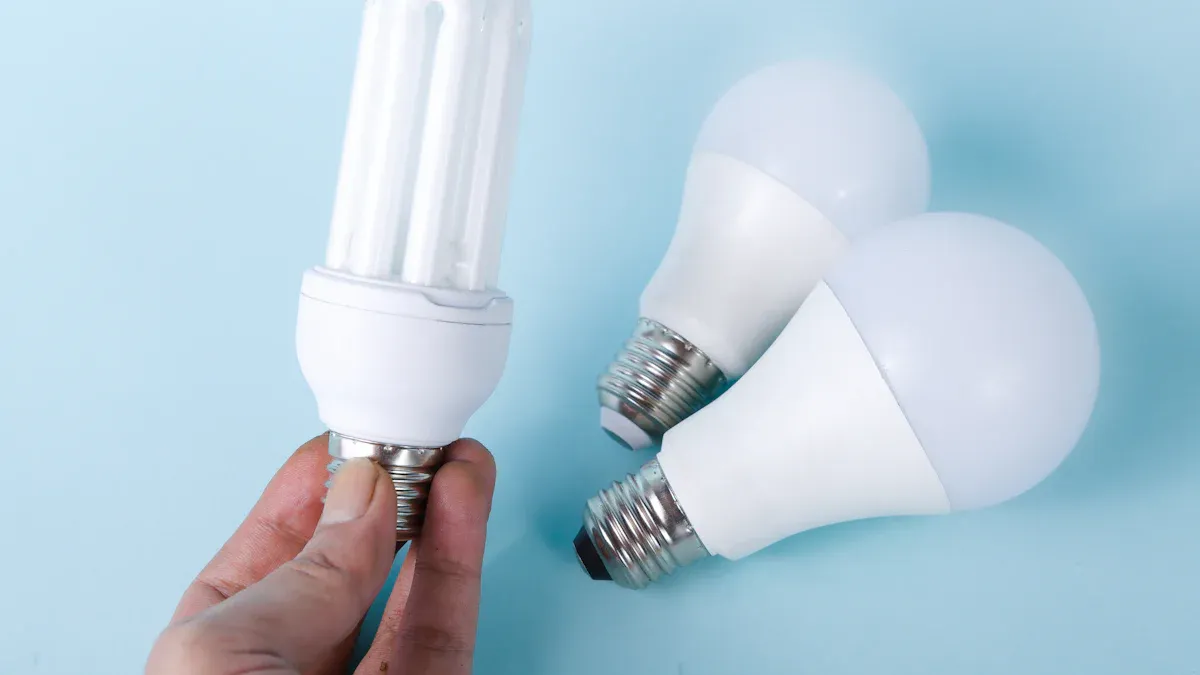
When you pick LED street bulbs, you use less power. These bulbs need much less electricity than old street lights. For example, a regular old street light uses about 250 watts. An LED street light only needs 50 watts. You still get the same amount of light with less energy. The table below shows how much power each kind of street light uses in a year:
Type of Street Light | Power (W) | Daily Consumption (kWh) | Annual Consumption (kWh) | Annual Cost ($) |
|---|---|---|---|---|
Traditional Street Light | 250 | 3 | 1,095 | 131.40 |
LED Street Light | 50 | 0.6 | 219 | 26.28 |
LED street bulbs help cities use less energy. Many towns say they save 50% or more after switching to LED. Some cities save over 17 million kilowatt-hours every year. LEDs can also dim and shine light only where it is needed. This means you do not waste energy.
Lower Utility Costs
LED street bulbs help cities spend less money on power. Using less electricity means lower bills for your city. Most cities see a 61% drop in costs after using LED street lights. Each light can save about $114 every year. The table below shows some important savings:
Metric | Value |
|---|---|
Average reduction in costs | 61% |
Average cost savings per light | $114 per light per year |
Average maintenance cost | $22 per light per year |
Annual energy savings | 110 million kilowatt hours |
Total savings | $20 to $25 million |
Many cities have saved a lot of money. Los Angeles cut its energy use by 63%. This saved about $9 million every year. New York City saved $4.5 million each year after changing 65,000 street lights to LED. These numbers show that energy-efficient choices help your city’s budget.
💡 Tip: Lower utility costs let your city spend money on other things, like parks or schools.
Efficiency Compared to Traditional Lights
LED street bulbs work better than old types of lights. High-pressure sodium and metal halide lamps use more energy and do not last as long. LEDs can use up to 80% less energy than high-pressure sodium lights. They also make streets look brighter and colors look clearer.
Here are some quick facts about efficiency:
LEDs use less power and last longer than old lights.
LEDs can be dimmed or changed to fit what is needed, which saves energy.
Directional lighting from LEDs means less wasted light and more useful light.
Cities all over the world have seen good results. For example:
Qinhan New City saved over 54% in energy and doubled how well things worked.
Barcelona used 32% less energy and cut maintenance costs in half.
Delhi saved 45% in energy and $1.2 million each year.
When you pick LED street bulbs, your city saves energy and money. You also help the environment and make streets safer and brighter.
Long Lifespan and Low Maintenance
50,000+ Hour Lifespan
If you pick LED street bulbs, they last much longer than old lights. Some LED street bulbs can work for up to 100,000 hours. That means you could use them for about 34 years if you turn them on for 8 hours each night. Most LED street bulbs last between 2 and 5 years in real life. Some places hope for even longer use. Here are some facts about how long LED street bulbs last:
Many LED street bulbs say they can last up to 100,000 hours.
Most LED street bulbs work for 2 to 5 years in real use.
Some big buildings hoped for at least 7 years, but it can be different.
Fewer Replacements Needed
You will see that LED street bulbs need less fixing and fewer changes than old lights. This saves your city time and work. The table below shows how LED street bulbs and old lights are different:
Type of Lighting | Lifespan (hours) | Maintenance Frequency |
|---|---|---|
LED Street Lights | 50,000 to 100,000 | Less often need to be changed or fixed |
Traditional Lighting | 10,000 to 20,000 | Need new bulbs and fixing more often |
With LED street bulbs, you do not have to change bulbs or fix things as much. This keeps your streets bright and safe for a longer time. You get better light every night.
Maintenance Cost Savings
When you switch to LED street bulbs, your city saves money on fixing and taking care of lights. You do not have to worry about things like cable problems or power going out as much. The table below shows how the costs are different over time:
Maintenance Aspect | Grid-Tied Systems | Solar Systems |
|---|---|---|
Annual Maintenance Cost | $250 - $400 per fixture | Much lower because there are fewer repairs |
Common Issues | Digging, cable problems, power loss | No wires underground, works on its own |
Maintenance Frequency | Happens a lot, hard to guess | Rare, easy to know, and costs less |
By picking LED street bulbs, you spend less on fixing lights and do not need repairs as often. Your city gets good, steady light and can use extra money for other things.
🛠️ Note: Fewer changes and less fixing means your city can spend time on other important things.
Enhanced Safety and Visibility with LED Street Lights
Improved Nighttime Visibility
You want your streets to be bright and safe at night. LED street lights help you see better than old lights. They spread light evenly, so there are not dark spots where danger can hide. The table below shows how these lights help:
Improvement Type | Description |
|---|---|
Enhanced Light Uniformity | LED street lights spread light evenly, so there are fewer dark spots and it is safer. |
Superior Color Rendering | A higher Color Rendering Index (CRI) helps people see traffic signs and people better. |
Glare Reduction | The special design cuts down on glare, so drivers’ eyes feel better, even for older people. |
Smart Control Technologies | Smart controls change the light when needed, so you can see better when it matters most. |
You can spot road signs and people more easily with LED street lights. Drivers feel better because glare does not hurt their eyes as much.
Safer Streets for Drivers and Pedestrians
LED street lights make roads safer for everyone. There are fewer accidents because the lights show everything clearly. People walking at night feel safer. Drivers can react faster to what they see. This helps your community stay safe and avoid injuries.
🚦 Tip: Good lighting can help stop crime and lets emergency workers get there faster.
Consistent Light Quality
LED street bulbs stay bright for a long time. They do not get dim or flicker as they get older. Most LED street lights last over 50,000 hours and keep shining bright like when you first put them in. Many companies give good warranties, so your city can trust these lights for years. You also use less energy and help the planet by picking LED street bulbs.
Environmental Benefits of LED Street Bulbs
Lower Carbon Footprint
When you pick LED street bulbs, you help the Earth. These bulbs use a lot less energy than old ones, so there is less pollution. Many cities have seen big drops in carbon after using LED.
Kansas City saves about 29,000 tons of carbon every year. That is like taking 6,000 cars off the road.
If all cities used connected LED lights, we could save 420 million tons of CO2 each year.
In 2017, LED bulbs helped cut 570 million tons of carbon. That is the same as closing more than 160 coal power plants.
Mercury-Free Lighting
LED street bulbs are good for nature because they do not have mercury. Mercury is a harmful metal that can hurt people and animals. When you use LED bulbs, you do not have to worry about mercury getting into your town.
No mercury means water, dirt, and animals stay safe from poison.
Mercury-free lights keep your city safer for everyone, even kids and pets.
LED bulbs also help lower CO2, so your city is even greener.
Support for Green Initiatives
When you put in LED street bulbs, you help green projects. These bulbs help your city use less energy, spend less money, and protect nature. The table below shows how LED bulbs help with green plans:
Benefit | Description |
|---|---|
Energy Savings | Cities use 50–70% less energy, so bills and pollution go down. |
Crime Reduction | Better lights can lower crime by about 14% in some places. |
Enhanced Visibility | LED bulbs make streets safer for drivers and people walking. |
Lower Maintenance Costs | Fewer changes mean less trash and less pollution. |
Environmental Impact | LED bulbs cut greenhouse gases and help keep the night sky dark. |
Many cities, like Los Angeles, Paris, and Cairo, now use LED street bulbs. They save money, use less energy, and show how going green helps the planet.
Smart Features and Technology Integration

Smart City Compatibility
Smart city integration helps your city work better. Many cities use led street bulbs that connect to smart systems. These bulbs have sensors and IoT technology. They gather live data about traffic and weather. This data helps you save energy and know when to fix lights. Smart city integration lets you control lights based on what is happening. You can change the lights quickly if traffic or weather changes. This makes your city use less energy and spend less money.
Remote Monitoring
Remote monitoring lets you control led street bulbs from anywhere. You can see if a light works or needs fixing. Here are some ways remote monitoring helps:
You get alerts right away if a bulb stops working.
You can make lights brighter or dimmer to save energy.
You can check how much energy the lights use and find problems fast.
You keep streets safe by making sure lights stay on.
Remote monitoring helps you keep lights working well. It also lets you control many lights at the same time.
Adaptive Lighting Controls
Adaptive lighting controls let you change how bright led street bulbs are. You can use motion sensors to make lights brighter when people or cars go by. When it is quiet, you can dim the lights to save energy. These smart controls help you use less power and keep streets safe. Some systems use cameras to guess when traffic will get busy and change the lights before that happens. This technology gives you smart lighting that fits your city. You save energy and still keep everyone safe.
Urban Appeal and Community Value
Modern Fixture Design
Many cities pick modern LED street bulbs for their streets. These bulbs look good in new city areas. They do more than just light up roads. Their new designs help cities look nicer and work better.
LED technology lasts a long time and uses less energy. This makes public lighting better for everyone.
Smart lighting systems can change how bright the lights are. They do this when people need more or less light. This saves energy and makes streets feel nicer.
IoT lets lamp poles collect data. This helps fix problems faster.
Solar-powered poles use energy from the sun. Cities do not need the power grid as much.
Adaptive lighting changes how bright lights are for events or quiet times. This matches what the city needs.
Some new poles have Wi-Fi and charging spots for phones.
Many designs use recycled or earth-friendly materials. This helps the planet.
Enhanced Public Spaces
LED street bulbs make parks and sidewalks safer and more fun. The light is brighter and looks more like daylight. This helps people see better at night.
LED street lights make public places safer. They give off bright, natural light. This helps people see better and can lower crime and car crashes.
Colorful LED lights can change for holidays or events. This makes parks and streets look exciting. It helps people enjoy being outside together.
Cities also spend less money fixing these lights. They use less energy, so there is less pollution. This helps the city reach green goals.
Customizable Lighting Options
You can choose from many lighting types for your city. The table below shows different ways lights can shine in city areas:
Light Distribution Type | Shape Description | Application |
|---|---|---|
Type II (T3) | A little wider with a 25-degree angle | Good for narrow roads by the side |
Type III (T4) | Medium-wide with a 40-degree angle | Lights up bigger outdoor spaces |
Type IV (T5) | Strong, even light from 90 to 270 degrees | Best for wide roads |
Type V (T5S) | Circle-shaped, shines all around | Great for big intersections |
Type VS | Square-shaped, shines all around | Good for square areas that need even light |
You can ask neighbors or city leaders what styles they like. Walking around at night helps you see where more light is needed. This way, you help make your city feel safe and friendly.
Return on Investment for LED Street Lights
Fast Payback Period
Cities want to see results fast when they buy new lights. LED street lights pay for themselves quickly. Most cities get their money back in 2 to 5 years. This means savings start soon after the lights go in. Here are some reasons why payback is so fast:
Energy bills go down every month
There are fewer repairs and replacements
Workers spend less time fixing lights
💡 Many cities find that LED street lights save money even faster than they thought.
Long-Term Savings
LED street lights help cities save money for many years. They cost more at first than old lights, but you save later. LEDs last longer and use less power. The table below shows how LED street lights and old lights compare:
Factor | Traditional Street Lights | LED Street Lights |
|---|---|---|
Initial Cost | Lower ($100 – $600) | Higher ($100 – $1,000) |
Lifespan | 12,000 – 24,000 hours | 50,000 – 100,000 hours |
Moderate to Low | High (50-70% savings) | |
Maintenance Costs | High | Low |
Total Cost Over 10 Years | Expensive | Cost-effective |
LEDs need fewer changes and less fixing. Over ten years, cities save money and use less energy.
Increased Community Value
LED street lights do more than save money. They help people feel safer and make streets look nicer. Bright streets attract families and new buyers. The table below shows how LED lights help your community:
Impact Area | Benefit |
|---|---|
Safety Perception | Safer neighborhoods and higher property values |
Aesthetics | Improved look and feel of streets and parks |
Walkability | Easier and safer to walk or bike at night |
Community Pride | Shows investment in public spaces and services |
Home Value | Homes in well-lit areas often sell at a premium |
When you pick LED street lights, you make your city brighter and safer. This choice helps your city save money and feel like a better place to live.
You can see how LED street bulbs make cities better. These lights use less energy and last a long time. They help keep streets bright and safe at night. Smart features let you control the lights and save money. Cities all over the world pick these lights for better streets. The table below shows why planning, smart tools, and teamwork are important for lighting projects:
Key Takeaway | Description |
|---|---|
Thorough Planning is Essential | Checking what lights are needed and using LED the right way is very important. |
Investing in Smart Technology Pays Off | Adding smart controls made the project better and gave more ways to save energy. |
Community Engagement Matters | Telling people about the project helped everyone support it. |
By choosing these lights, you help your city get better. Experts think smart lighting will be important in the future. These lights help cities go green, save money, and make life nicer for all. Pick LED street bulbs for lighting that helps now and later.
FAQ
What makes LED street lights better than old street bulbs?
You get brighter light, lower energy use, and fewer replacements. LED street lights last longer and help you save money. They also make your street safer.
How do LED street lights support installation benefits for cities?
You see quick results after installation. LED street lights need less maintenance and use less power. These bulbs fit modern city plans and help you reach green goals.
Are LED street bulbs cost-effective for long-term use?
Yes. You spend less on repairs and energy. LED street bulbs give you a cost-effective way to light your street for many years.
See Also
Choosing Ideal LED Street Lights for Your Community in 2025
Advantages of LED Street Bulbs: Efficiency, Longevity, and Setup Perks
Modern LED Highway Lighting: Enhancing Safety and Energy Efficiency
Exploring the Advantages and Technology of LED Street Lights
Comparing LED Streetlights and Traditional Lights: Costs and Efficiency