LED Troffers: Types, Benefits, and Installation for Modern Commercial Lighting

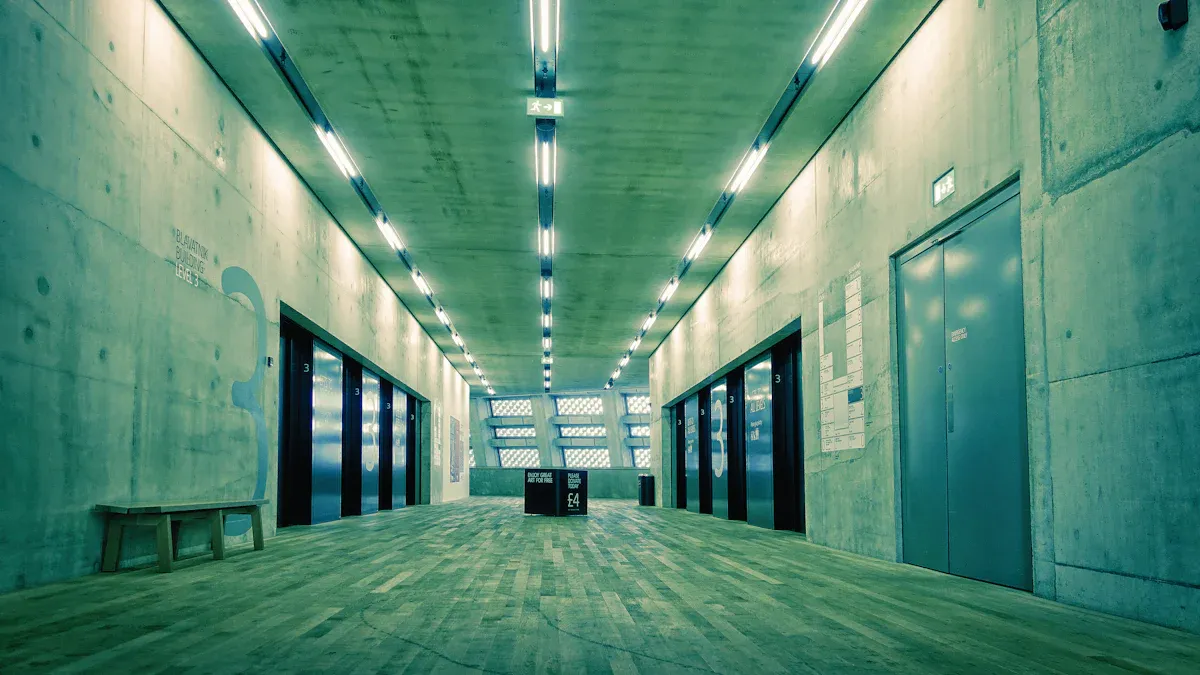
LED troffers give bright and even light. They work well in offices, schools, and hospitals. LED technology uses less power than fluorescent lights. You can save up to 75% on energy use.
Many buildings save a lot of money on electricity.
For example, an office with 200 LED lights can save $8,000 each year.
In ten years, savings can reach $80,000. This is more than the cost to switch.
You get better light and more comfort. You also need less maintenance. If you want to learn about Home, About Us, or Product options, LED troffer solutions are a smart choice.
Key Takeaways
LED troffers use less energy than old lights. They can save up to 75% on energy costs. This helps you save a lot of money over time.
These lights work for more than 50,000 hours. You do not need to replace them often. This means less work and less fixing.
LED troffers give bright and even light. This makes people feel comfortable and helps them work better. They are good for places like offices and schools.
Picking the right size and type of LED troffer is important. It helps your space have the best light and saves energy.
LED troffers are good for the environment. They do not have mercury. They help cut down on waste and use less energy.
What Are LED Troffers
LED Troffer Definition
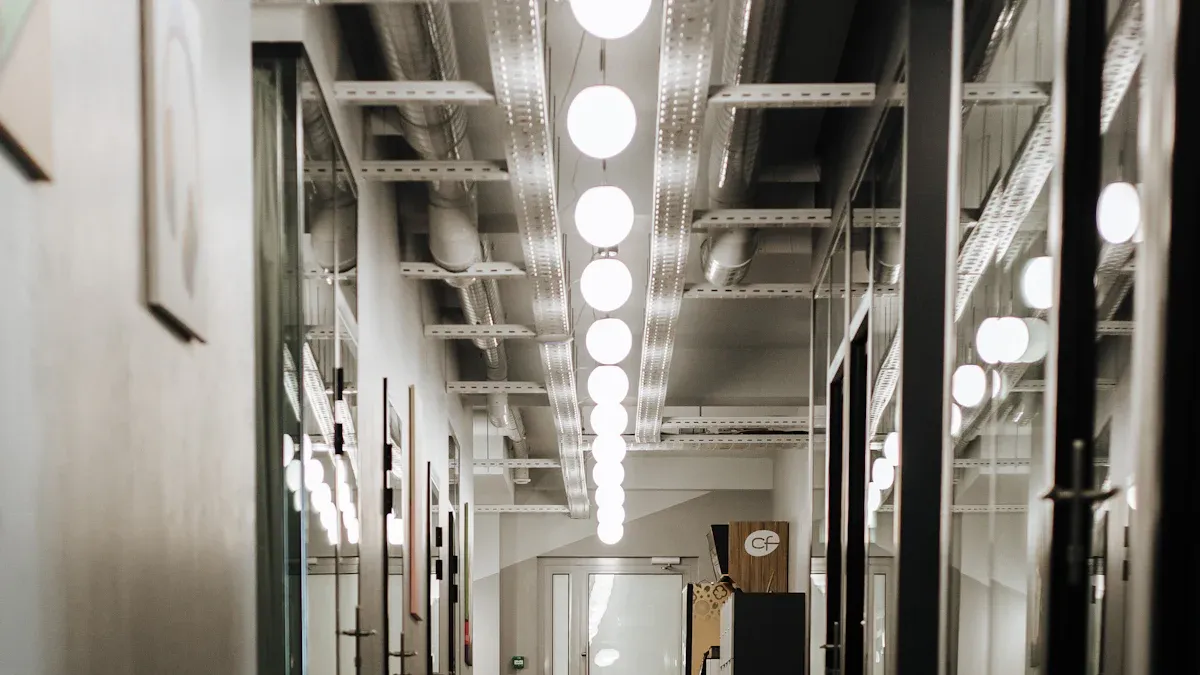
You can find led troffer lights in many buildings. A led troffer is a light that fits inside a ceiling grid. It is usually shaped like a rectangle or a square. Offices, schools, and hospitals use these lights for bright and even lighting. You can put led troffer units in drop ceilings. This makes them easy to use in big rooms. Led troffers help make spaces comfortable and good for working.
Tip: Led troffer lights are best where you need steady, shadow-free light.
Key Features of LED Troffers
Led troffer fixtures are different from other lights because of their special features. They use less power, last a long time, and give better light. The table below shows how led troffer lights compare to other lights:
Feature | LED Troffers | Other Commercial Fixtures |
|---|---|---|
Efficiency | Use less power, cost less to run | Usually use more power |
Longevity | Last over 50,000 hours, need less fixing | Do not last as long, need more changes |
Lighting Performance | Spread light well, have less glare | May spread light unevenly and have more glare |
Structural Design | Strong, made for direct lighting | Can be different, often less control of light |
You can use led troffer lights in many places:
Offices and meeting rooms: They give even light that helps you see and keeps your eyes from getting tired.
Hospitals and clinics: Led troffer fixtures meet strict rules and help keep spaces clean.
Schools and libraries: These lights last long and do not need much fixing.
Stores: Led troffer units give even light so products look better.
Factories and labs: You get bright, shadow-free light in clean and controlled rooms.
LED Troffers vs. Traditional Fixtures
Led troffer lights have big benefits over old fluorescent lights. They last longer and save more energy. The tables below show how led troffer units compare to fluorescent lamps:
Fixture Type | Lifespan (hours) | Energy Consumption (lumens per watt) |
|---|---|---|
LED Troffers | 15,000 to 50,000 | 80 to over 150 |
Fluorescent Lamps | 7,000 to 15,000 | 50 to 100 |
Fixture Type | Luminous Efficacy (lumens per watt) |
|---|---|
LED Troffers | 80 to over 150 |
Fluorescent Lamps | 50 to 100 |
You save money and time with led troffer fixtures. Led troffer lights last longer and use less energy. They also give better light and have less glare. If you want good and strong lighting, led troffer units are a smart pick for your building.
LED Troffer Types
Recessed LED Troffer
You can see recessed led troffer lights in many buildings. These troffer units fit inside the ceiling grid. This makes the ceiling look neat and clean. The light is even and does not hurt your eyes. Offices, classrooms, and hospitals use these lights a lot. Recessed troffer fixtures also work well in stores and meeting rooms. They help show off products and make meetings comfortable.
Tip: Pick recessed led troffers if you want even light and a tidy ceiling.
Surface-Mounted LED Troffer
Surface-mounted led troffer lights go right on the ceiling. You use these when you cannot put in a drop ceiling. These troffer fixtures are good for fixing up old rooms. You can save up to 60% on energy bills. They use less power than fluorescent lights. The color looks better and the lights last longer. These troffer units do not have mercury, so they are safer for the earth.
Suspended LED Troffer
Suspended led troffer lights hang down from the ceiling. They use cables or rods to stay up. You use these in big open offices and large rooms. These troffer units give even light and make the room look less messy. You can add smart controls to change the light. The lights can get brighter or dimmer if there is more sunlight or people in the room. Suspended led troffers help you make flexible and energy-saving lighting.
Back-Lit vs. Edge-Lit Troffer
You can pick back-lit or edge-lit led troffer lights. Back-lit troffer units have LEDs on a flat plate. The light shines straight down. Edge-lit troffer fixtures have LEDs on the sides. The light spreads across the panel before going down. Back-lit troffer fixtures give even light with no shadows. Edge-lit troffers might not light the room as evenly.
Feature | Back-lit LED Troffers | Edge-lit LED Troffers |
|---|---|---|
LED Arrangement | LEDs on a horizontal plate | LEDs along the side of the panel |
Light Distribution | Vertical light through the diffuser | Horizontal then downward light via guide plate |
Uniformity of Lighting | Uniform, shadow-free | Less uniform, possible shadows |
Troffer Light Fixture Sizes and Shapes
Troffer light fixtures come in different sizes and shapes. The most common are 2x2 and 2x4 led troffer units. Use 2x2 troffers in small rooms and hallways for soft, even light. Use 2x4 troffers in big spaces for more light. Architectural troffers look nice in fancy rooms. Retrofit troffers let you change old lights easily. Standard sizes are 1’x4’ and 2’x4’. Wattage choices are from 23W to 38W. Color temperatures go from 3000K to 6500K.
Size | Wattage Options | Color Temperature |
|---|---|---|
1’x4’ | 23W/29W/38W | 4100K |
2x2 | 23W | 3000K-6500K |
2x4 | 29W/38W | 3500K-5000K |
Note: Choose the right troffer size and shape for your room. This helps you get the best light.
Benefits of LED Troffer
Energy Efficiency and Cost Savings
Led troffers help you use less energy. These lights have new led technology. They need less power to work. You pay less for electricity each month. Many offices and schools save money after switching. You also spend less on fixing and throwing away old lights. The table below shows how led troffers and regular bulbs are different:
Aspect | LED Troffers | Traditional Bulbs |
|---|---|---|
Lifespan | 50,000 to 100,000 hours | Shorter lifespan |
Operational Years | 10 to 20 years | Frequent replacements |
Maintenance Costs | Lower due to fewer replacements | Higher due to frequent changes |
Disposal Fees | Reduced | Higher |
Tip: You can use the money you save to buy new things for your building.
Lighting Quality and Comfort
Led troffers make rooms brighter and more comfortable. You get good light with less glare and fewer shadows. This helps you see better and keeps your eyes from hurting. Led troffers let you pick warm or cool light. You see colors and details clearly. This is important in offices, hospitals, and schools. Good lighting makes products look nice in stores. It also helps students pay attention in class.
You can change led troffer lights to fit your needs.
Led troffers make rooms feel nice and help people feel good.
Longevity and Low Maintenance
Led troffers last a long time and need little care. They work for over 50,000 hours. You do not have to change them often. This means you save time and money. Workers do not need to climb ladders or stop working to fix lights. Led troffers keep working for many years. You can focus on your job instead of fixing lights.
You also do not have to throw away old bulbs often. This saves money on disposal fees. Led troffers are a smart choice for commercial buildings.
Sustainability and Environmental Impact
Led troffers are good for the earth. They use less energy and last longer. This means less trash. Some led troffers have sensors and daylight features. These save even more energy and help your building be green. The table below shows how led troffers help the environment:
Benefit | Description |
|---|---|
Energy Efficiency | Led troffers use new technology to cut energy use and still give bright light. |
Longevity | Led lights last longer than old bulbs, so you throw away less and change bulbs less often. |
Sustainability Features | Some led troffers have sensors and daylight controls to save more energy and help the planet. |
Note: Led troffers do not have mercury, so they are safer for people and nature.
Led troffers help every part of your building. You save money, get better light, and help the earth. Led troffers make your space nicer for everyone.
LED Troffer Lighting Installation
Choosing the Right Troffer Light Fixture
Think about your room before picking a led troffer. Check how big the space is and what kind of ceiling you have. Choose a fixture that fits your ceiling grid and gives enough light. Look at the color temperature and wattage. If you want great led troffer lighting, pick models with advanced led technology. Retrofit options let you upgrade old fixtures without changing the whole ceiling.
Tip: Always read the manufacturer’s guide to get the best fit and performance.
Pre-Installation Preparation
Get your commercial space ready for led troffer lighting by doing these steps:
Turn off power at the circuit breaker. Use insulated tools and wear gloves and goggles.
Make sure the ceiling can hold the troffer’s weight.
Look for wires or pipes in the ceiling that could block installation.
Pick the right troffer for size, light output, and color temperature.
Step-by-Step Installation
Do these steps for safe and easy installation:
Turn off the main power.
Take out the old lens, bulbs, and ballast cover.
Disconnect the ballasts from the building’s wiring.
Remove the wire management ring.
Unscrew bolts and take out the old fixture.
Remove the cap and power wire, add wire management holes if needed.
Connect the new led troffer to your building wires.
Note: Retrofit led troffer lighting makes upgrades quicker and easier.
Wiring and Electrical Tips
Open the troffer’s wiring compartment. Power comes from an external LED driver.
Match black wires (hot), white wires (neutral), and green or bare wires (ground).
Use wire nuts to keep connections tight and tuck wires neatly.
Use a constant current driver for your led panel. Most panels use 10V and 700mA.
Wiring in series saves drivers, but if one panel fails, all may go out. Using more drivers makes things more reliable.
Use a stabilizer or surge protector to control voltage.
Check your wiring diagram before you connect wires.
Maintenance Advice
Keep your led troffer lighting working well by caring for it often:
Check LED drivers and connections regularly.
Clean lenses and housings to keep light bright.
Make sure heat sinks and cooling parts are not blocked.
Test backup power sources for emergencies.
Callout: Regular care helps your led troffers last longer and keeps your commercial space safe.
Troubleshooting LED Troffer Issues
Flickering or Dimming
Sometimes, led troffer lights flicker or get dim. This can make it hard to work and feel comfortable. Flickering happens if the lamps or drivers cannot dim. Controls that do not match the led fixtures also cause problems. You should check a few things first:
See if your lamps can dim.
Check if the drivers in your troffer let you dim the lights.
Test the controls to make sure they work with your led system.
Change controls that are old or worn out.
Tip: Use led products that have been tested. Try one fixture before you install many.
Compatibility Problems
Compatibility problems can make lights flicker, dim, or not turn on. You may see colors that do not match if you use different led types or bad drivers. Loose wires or the wrong dimmer switch can also cause trouble. To fix these problems, look at the specs for your dimmer switches and wiring. Make sure everything matches your led troffer fixtures.
Some common problems are:
Flickering or dimming
Colors that do not match
Lamps that do not work
Note: Installing things the right way stops most compatibility problems. Always follow the instructions from the manufacturer.
When to Call a Professional
You can fix small problems by yourself. But some issues need an expert. If your led troffers keep breaking or your energy bill is high, call a licensed electrician. If you need to fix lights often or the lighting is bad, there may be bigger electrical problems. A professional can check the wires, controls, and fixtures. This helps keep your lighting safe and working well.
Call a professional if:
You cannot find why lights flicker or dim.
You see color changes or lights stop working.
You need help with wires or controls.
Callout: Check your led troffer system often and fix problems quickly. Do not wait if you keep seeing issues.
You get lots of good things when you pick LED troffers for your building. These lights use less power and last a long time. They give bright light that feels nice. You also help the planet and save money as years go by. Pick the right troffer and put it in the right way to get the best results.
Some main benefits are:
Saving energy
Lasting longer
Better light
Needing less fixing
Next steps:
Look at your lights now.
Read guides about putting in LED troffers.
Ask an expert if you need help.
FAQ
How long do LED troffer lights last?
You can expect LED troffer lights to last between 50,000 and 100,000 hours. This means you will not need to replace them often. Most offices use them for over ten years.
Can you dim LED troffer lights?
Yes, you can dim many LED troffer lights. You need to check if your fixture and controls support dimming. Look for “dimmable” on the product label before you buy.
What size LED troffer should you choose?
Pick the size based on your room. Use 2x2 troffers for small spaces like hallways. Choose 2x4 troffers for large rooms. The right size gives you even light.
Do LED troffers save money?
You save money with LED troffers. They use less energy and last longer than old lights. You spend less on electricity and maintenance.
Tip: Calculate your savings using your current energy bill.
Are LED troffers safe for the environment?
LED troffers do not contain mercury. You help the planet by using less energy and creating less waste.
Feature | LED Troffer | Fluorescent |
|---|---|---|
Mercury-Free | ✅ | ❌ |
Energy Saving | ✅ | ❌ |
See Also
Exploring LED Outdoor Lighting: Advantages, Varieties, and Setup Tips
Understanding Recessed Lighting: Varieties, Setup, and Design Tips
LED Replacement Bulbs: Varieties, Advantages, and Setup Guidelines
Commercial Track Lighting: Energy-Saving LED Choices and Solutions
LED Track Lighting: Systems, Setup, and Design Uses Explained