Lighting Design with Recessed Fixtures: Creating Layered and Functional Illumination

Ever walk into your Home and notice areas that feel too dark or too bright? You want Lighting Design that gives you both comfort and style. Recessed fixtures help you balance the light so every corner feels just right. When you use layered lighting, you get these benefits:
You mix ambient, task, and accent lighting for a balanced look.
You cut down on dark spots and make your space more inviting.
You change the mood or function with ease using the right Led Light or Product.
If you want to learn more About Us, keep reading for easy ways to create the perfect atmosphere.
Key Takeaways
Layered lighting uses ambient, task, and accent lights together. This makes the room feel balanced and welcoming.
Recessed fixtures help save space and look neat. They make rooms seem bigger and less messy.
You can use dimmers to change how bright the lights are. This helps set the mood for different things you do at home.
Pick the right bulb color for each area. Warm light is good for cozy spots. Cool light works better in places where you need to work.
Plan your lighting layout so there are no dark spots. This makes sure the whole room gets enough light.
Lighting Design Fundamentals
What Are Layered Lighting Techniques
You might wonder why some rooms feel cozy and others seem flat or harsh. The secret often lies in how you layer the light. Layered lighting means you use different types of light together to create a balanced and flexible space. Each layer has a job to do, and when you combine them, your room feels complete.
Here’s a quick look at the main types of lighting you’ll use:
Type of Lighting | Description |
|---|---|
Ambient Lighting | The main source of light that fills the whole room. |
Task Lighting | Focused light for things like reading, cooking, or homework. |
Accent Lighting | Highlights special features, like art or a cool plant in the corner. |
When you use all three, you can change the mood, make tasks easier, and show off your favorite things. You get more control over how your space looks and feels.
Tip: Try turning on just one layer at a time. Notice how the room changes. Then, mix them together for the best effect.
Why Use Recessed Fixtures
Recessed fixtures give you a clean and modern look. You install them right into the ceiling or wall, so they don’t stick out or take up space. This makes your room feel bigger and less cluttered. You see this style in places like hotels, museums, and fancy stores because it looks sleek and lets the rest of the design shine.
Lighting Design with recessed fixtures also helps you balance style and function. You can place them where you need light the most, like over a kitchen counter or along a hallway. Since they blend in, you can focus on the shape and style of your room without big, bulky lights getting in the way. Plus, using energy-efficient options like LEDs means you save power and money.
Ambient, Task, and Accent Layers
Creating Ambient Light
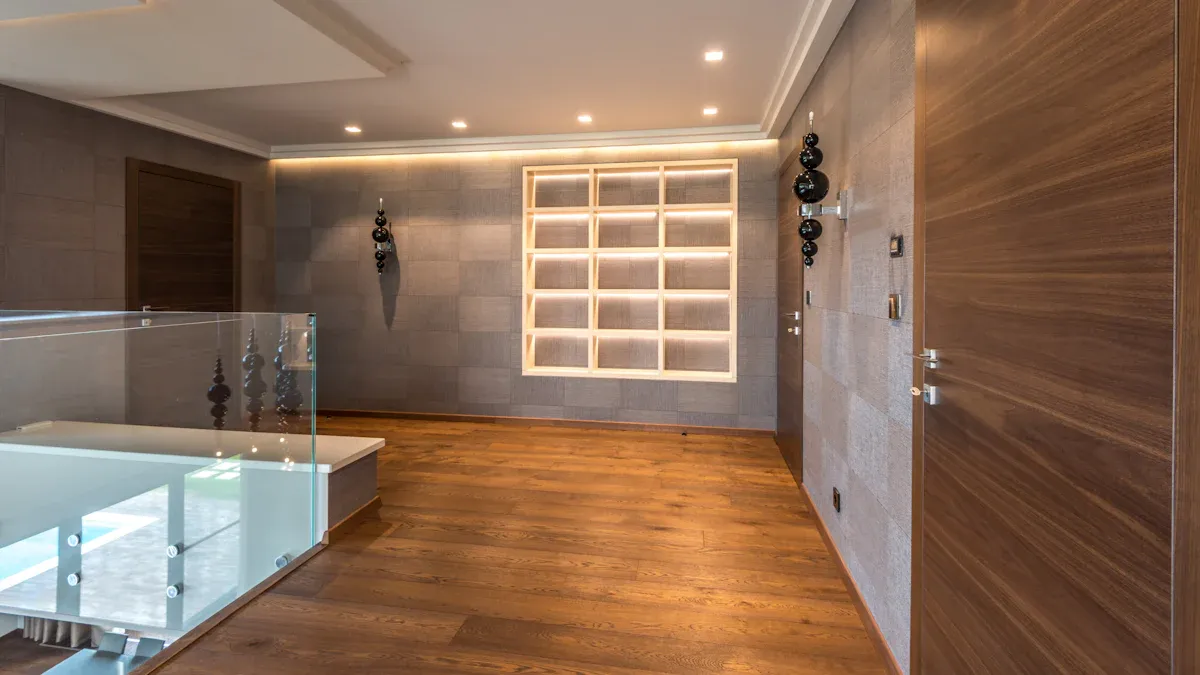
Ambient light sets the mood for your whole room. You want a space that feels open and welcoming. Recessed fixtures help you spread light evenly, so you avoid dark corners and harsh shadows. When you install these lights in the ceiling, you get a soft glow that fills the area without drawing attention to the fixtures themselves.
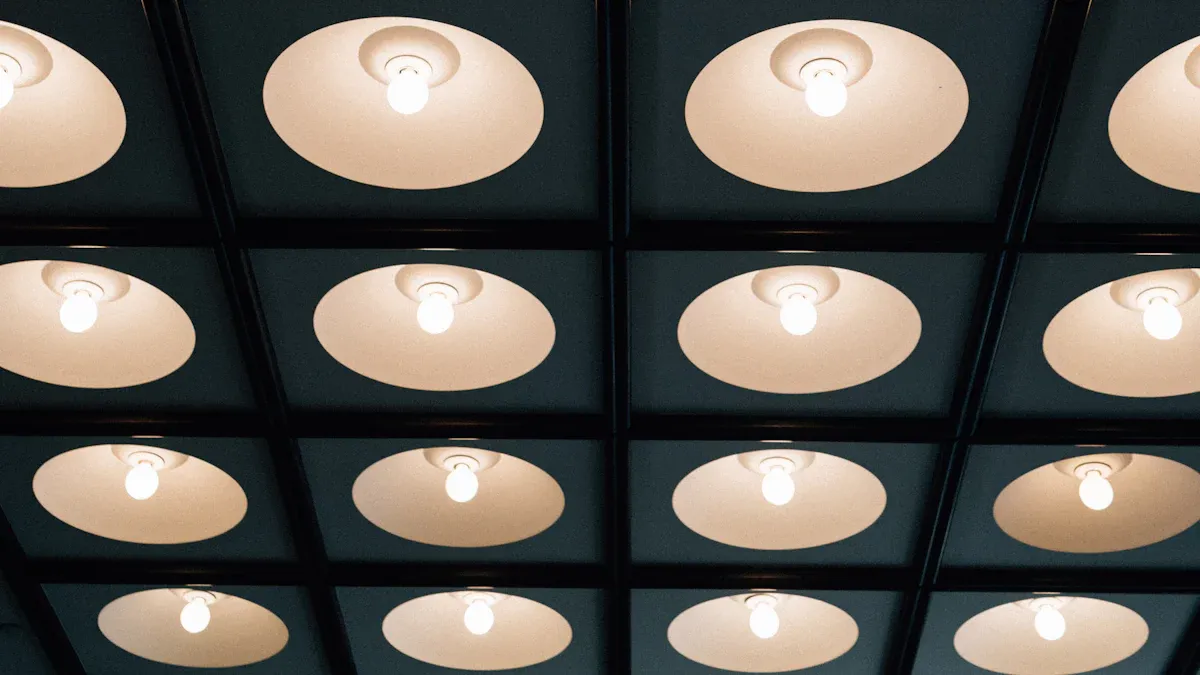
Try spacing your recessed lights in a grid pattern. This method gives you balanced coverage. If your room has high ceilings, you might need more fixtures to reach every spot. You can also use dimmers to adjust the brightness. That way, you control how cozy or lively your space feels.
Tip: Use warm bulbs for living rooms and bedrooms. Cooler bulbs work better in kitchens or bathrooms where you need more energy.
Task Lighting with Recessed Fixtures
Task lighting helps you see clearly when you need to focus. In places like kitchens or workspaces, you want bright, direct light for cooking, reading, or working. Recessed fixtures make this easy because they blend into the ceiling and shine light right where you need it.
Here’s how you can position recessed fixtures for the best task lighting:
Look at your kitchen’s layout before you start. Think about where you chop vegetables or wash dishes.
Put lights above the stove, over the sink, and under cabinets. These spots need extra brightness.
Recessed lighting gives you a clean look and spreads light across wide areas. You won’t have shadows blocking your view.
If you use adjustable trims, you can aim the light at specific spots. This trick works well for homework desks or craft tables. You get the right amount of light without cluttering your space.
Accent Lighting for Depth
Accent lighting adds drama and depth to your room. You use it to highlight artwork, plants, or cool architectural features. Recessed fixtures work great for this because they can focus light on one area without being seen.
Try these techniques to create stunning accent effects:
Spotlights and track lighting let you aim light at paintings or sculptures. You make your favorite pieces stand out.
Wall-mounted fixtures and sconces direct light up or down. This method adds interest to tall walls or unique textures.
Recessed and hidden lighting creates a soft glow around shelves or under cabinets. You get a modern look and a floating effect.
You can mix accent lighting with ambient and task layers for a complete Lighting Design. Your room feels more interesting, and you show off the things you love.
Note: Accent lights don’t need to be super bright. You want them to draw attention, not overpower the space.
Recessed Fixture Selection
Types and Trim Options
Picking the right recessed fixture starts with understanding trim styles. Each trim changes how your light looks and works. Here’s a quick guide to help you choose:
Open trim: Sits flush with the ceiling and hides the inside of the fixture.
Reflector trim: Has a shiny surface that makes the light brighter.
Baffle trim: Uses a black interior to cut down on glare. You see this trim in many homes.
Pinhole trim: Focuses light straight down. Great for showing off objects.
Eyeball trim: Lets you point the light where you want it.
Gimbal trim: Also adjustable, but sits deeper to reduce glare.
Canless trim: Connects directly to wiring. Makes installation easy.
Shower trim: Has tempered glass to keep out moisture. Perfect for bathrooms.
Wall wash trim: Spreads light across a wall for a soft, even glow.
Tip: Match your trim to the room’s job. For example, use baffle trims in living rooms to keep things cozy, or reflector trims in kitchens for extra brightness.
You also need to think about the type of fixture. If you’re building a new home, you get more style choices and easier installation. Remodeling? You’ll need fixtures that fit into existing ceilings, but you can still find trims that work for your space.
Feature | New Construction Fixtures | Remodel Fixtures |
|---|---|---|
Installation Method | Screwed or nailed to ceiling joists | Supported by metal clips through housing |
Support | Rock-solid support before drywall installation | Pushed into pre-cut ceiling opening |
Cost | Generally less expensive than remodel fixtures | Typically more expensive due to retrofitting |
Style Choices | More choices in styles and trims available | Limited options based on existing structure |
Application | Ideal for new builds and accessible retrofits | Best for adding lighting to existing spaces |
Bulb Choices and Color Temperature
The bulb you pick changes how your room feels and how much you spend. LEDs use less energy and last much longer than old bulbs. CFLs save some energy, but not as much as LEDs. Incandescent bulbs cost the most to run and burn out fast.
Bulb Type | Energy Consumption | Lifespan | Cost Savings Over Time |
|---|---|---|---|
LED | Uses up to 80% less energy than incandescent | Up to 25,000 hours | Significant savings on electricity bills |
CFL | Moderate energy efficiency | Around 8,000 hours | Moderate savings |
Incandescent | Highest energy consumption | About 750 hours | Least cost-effective |
Color temperature matters too. Warm light (2700K to 3000K) makes bedrooms and living rooms feel relaxing. Cool light (4000K to 5000K) helps you focus in kitchens or workspaces. You can mix both to match the mood and function of each room.
Warm bulbs create a cozy vibe for relaxing.
Cool bulbs boost alertness and make tasks easier.
Bedrooms need a soft glow, while kitchens need bright, clear light.
Note: Good Lighting Design means picking bulbs and trims that fit your space and your needs. Try different combinations until your room feels just right.
Placement Strategies
Spacing and Layout
Getting the spacing right for recessed fixtures makes a big difference in your room. You want light to reach every corner without making the space feel too bright or uneven. Start by measuring the length and width of your room. Sketch out rows and columns to help you see where each fixture will go. Decide how many lights you need in each row and column. Divide the total length of the row by the number of lights to find the best spacing. Place the first light half the distance from the wall as the spacing between lights. This method helps you avoid dark spots and gives your room a balanced look.
If you have high ceilings, you might need more fixtures or closer spacing. This keeps the light strong enough to reach the floor. Try not to put lights too close together, or you might end up with a harsh glare. Always check your plan before you start installing. Mistakes like uneven spacing or placing lights too close to walls can make your room look awkward.
Tip: Use a grid layout for even coverage. Adjust the number of fixtures based on ceiling height and room size.
Avoiding Shadows and Glare
Nobody likes shadows in the wrong places or bright spots that hurt your eyes. You can avoid these problems by thinking about where you need light the most. Place fixtures above work areas, like kitchen counters or desks, to keep shadows away from your tasks. Keep lights away from corners if you want to avoid dark patches. Try not to aim lights directly at shiny surfaces, like mirrors or glossy tables, because this can cause glare.
Recessed lighting blends into your ceiling or wall, so it does not distract from your room’s style. Strategic placement lets you highlight artwork or create a cozy mood. Dimmable options help you change the atmosphere for different activities. Good placement makes your Lighting Design both functional and beautiful.
Note: Always test your lighting plan with temporary fixtures before making permanent changes. This helps you spot problems with shadows or glare early.
Controls and Flexibility
Dimmers and Scene Setting
You want your room to feel comfortable all the time. Dimmers let you change how bright your recessed fixtures are. You can make the lights dim for a movie or bright for doing homework. Scene settings help you save your favorite lighting moods. With one button, you can go from a quiet night to a fun party.
Here are some ways to use dimmers and scene settings:
Check that your recessed lights work with your dimming system, like TRIAC or 0-10V. This helps you control the lights smoothly.
Pick lights that let you change both brightness and color temperature. You can set the mood for anything you do.
Choose lights with a high Color Rendering Index (CRI). Colors in your room will look bright and real.
Tip: Try different scenes for morning, afternoon, and night. You will see how Lighting Design changes your space.
Smart Integration
Smart controls make your lighting simple to use. You can control your recessed fixtures with your phone or voice. You can even set them to turn on or off by themselves. Imagine walking into your house and saying, “Turn on the lights,” and the room lights up just how you want.
Here is how smart lighting gives you more choices and saves energy:
Feature | Benefit |
|---|---|
Remote control | Change your lights from anywhere |
Automation | Set lights to turn on or off automatically |
Energy-saving technology | Use LEDs to save power and last longer |
Customization | Change brightness and color for any mood |
Integration | Connect with Alexa and Google Home |
Smart recessed lighting works with many popular systems:
Amazon Alexa and Google Assistant let you use your voice.
Bluetooth and Wi-Fi let you use an app on your phone.
RGB+W options let you pick any color you like.
The WiZ platform works with Matter, so you can use Google Home and Apple HomeKit.
Note: Smart controls help you save energy and make your home more comfortable. You get more options and less work.
Integrating Recessed Fixtures
Blending with Other Lighting
You want your space to feel comfortable and look great. To do this, you need to blend recessed fixtures with other types of lighting. Try mixing in pendant lights, wall sconces, or even table lamps. This gives your room more layers and makes it feel complete.
Here are some tips to help you blend different lights together:
Layer your lighting. Use ambient, task, and accent lights for a balanced look.
Pick colors that work well together. This helps your space feel calm and put together.
Choose finishes that match or complement each other. You can mix metals or colors, but keep it simple.
Use the same design style for all your fixtures. This keeps your room from looking messy.
Add contrast with care. A bold pendant or a unique sconce can stand out, but don’t overdo it.
Try different heights or shapes for your fixtures, but stick to a common color or material.
In open-concept spaces, you can use lighting to create zones. Place recessed fixtures for general light, then add pendants over tables or islands. Wall sconces can highlight art or special features. This way, each area feels special but still part of the whole room.
Tip: Always check your ceiling space and wiring before adding new fixtures. Some homes have tight spaces or tricky wiring, so plan ahead.
Achieving Cohesive Design
A good Lighting Design balances how your room looks and how it works. You want your lights to help you see, but you also want them to look nice.
Follow these steps to create a layered and functional plan:
Start with ambient lighting. Use recessed fixtures to fill the room with soft, even light.
Add task lighting. Place adjustable lamps or under-cabinet lights where you need to work or read.
Use accent lighting. Wall sconces or picture lights can highlight your favorite spots.
Show off your home’s features. Use lighting to draw attention to cool walls or ceilings.
Let in natural light. Open curtains during the day to make your space feel bigger and brighter.
Try smart controls. Set up scenes for different times of day or activities.
Mix warm and cool bulbs. Warm light feels cozy, while cool light helps you focus.
Guide the eye. Use lighting to lead people through your space and make it feel balanced.
Sometimes, you might run into problems like not enough space in the ceiling or tricky wiring. If this happens, talk to a pro or look for slim fixtures that fit tight spots.
Note: The best lighting plan makes your home feel both beautiful and easy to use. Try different ideas until you find what works for you.
When you add recessed fixtures to your Lighting Design, your space looks better and works for many things. Here are some benefits you get over time:
Benefit | Description |
|---|---|
Clean and modern style fits with any room. | |
LED bulbs help you save money and last longer. | |
Enhanced Functionality | You can layer light for any activity you want. |
Mood and Ambiance Control | Dimmers let you set the mood you like. |
Most people who own homes get almost 89% of their money back and save more each year. Try these tips in your house or ask an expert for help. You will see more comfort and style that lasts a long time!
FAQ
How many recessed lights do you need for a room?
You can figure this out by dividing your room’s square footage by 20. That gives you a good starting point. For example, a 200-square-foot room needs about 10 recessed lights.
Can you install recessed fixtures in any ceiling?
Most ceilings work, but you need enough space above for the housing. If your ceiling is concrete or has obstacles, look for slim or canless fixtures. You can always ask a pro if you’re not sure.
What is the best bulb color for recessed lighting?
Warm white (2700K–3000K) feels cozy in bedrooms and living rooms. Cool white (4000K–5000K) works well in kitchens or workspaces. You can mix both for different moods.
Do recessed lights save energy?
Yes! LED recessed lights use less power and last longer than old bulbs. You save money on your electric bill and change bulbs less often.
See Also
Enhancing Architectural Beauty With Effective Recessed Lighting
Exploring Recessed Lighting: Styles, Setup, and Design Tips
Professional Insights for Designing Effective Flood Lighting