Lighting Pole Design Features That Enhance Safety and Aesthetics

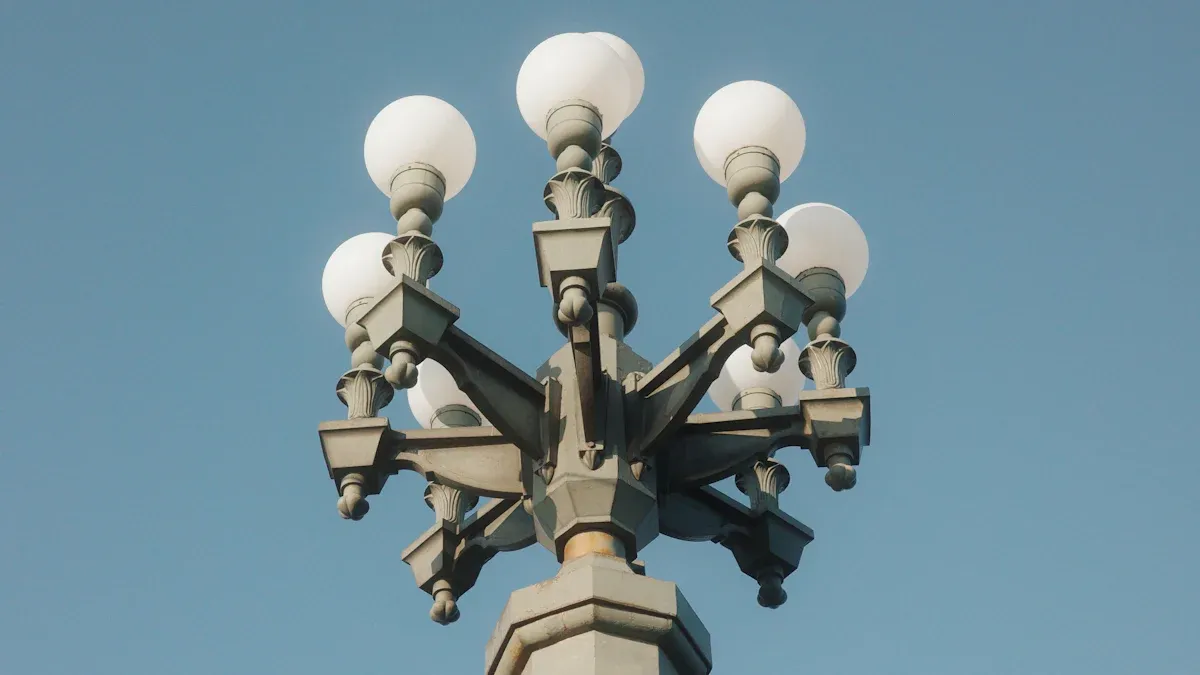
You help make public spaces safe and nice with lighting pole design. New lighting helps lower crime. It also helps people feel safe when they walk alone at night. Color and contrast in lighting make people want to be outside more. This can turn plain streets into fun places. When you pick the right Product for your Home or business, you help your neighborhood look good. About Us pages often show how smart designs make places friendly for all.
Key Takeaways
Pick the right pole height and space them well to help people see better and stay safe. Poles that are spaced right stop dark spots and help stop accidents.
Use strong materials like aluminum or composite for light poles. These materials last longer and need less fixing, which saves you time and money.
Add smart lighting technology to make things safer. Smart lights change how bright they are when people are around. This helps stop dark spots and saves energy.
Use anti-glare tools to help people see better at night. Shields and visors block too much bright light. This makes it easier for drivers and people walking to see.
Think about how the poles look, like their color and shape, to make public places nicer. When light poles match where they are, it makes the place feel friendly.
Safety Features in Lighting Pole Design
Pole Height and Spacing
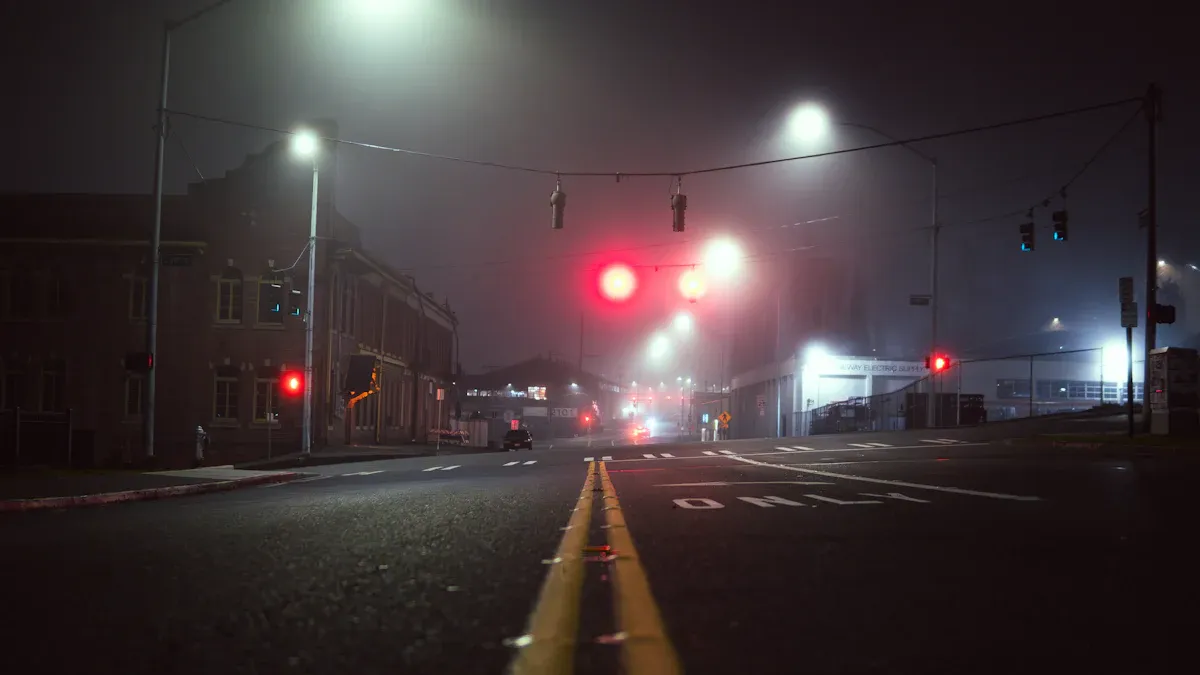
Picking the right pole height and spacing helps keep people safe. Tall poles shine light over bigger spaces. This makes it easier to see at night. Fewer shadows mean people feel safer. If poles are too far apart, dark spots can hide dangers. Good spacing stops this from happening.
Tip: When poles are spaced well, drivers and walkers see better. This helps stop accidents.
Here is a table that shows how tall poles should be and how far apart for different places:
Application Type | Recommended Pole Height | Recommended Spacing (ft) |
|---|---|---|
Small Parking Lots | 12 to 20 ft | 30 to 70 ft |
Medium-Sized Parking Lots | 20 to 25 ft | 50 to 87 ft |
Large Parking Lots | 25 to 35 ft and taller | 62 to 105 ft |
For roads, poles should be at least 15 feet tall. Poles between 25 and 50 feet work best for drivers. This setup cuts down on glare and keeps roads safer.
Durable Materials
You want your light poles to last and not break easily. The material you pick changes how long they last and how much care they need. Steel poles are strong but can rust and need fixing. Aluminum poles do not rust and can last up to 50 years. Composite poles last even longer, about 70 years, and do not need much care.
Material | Lifespan | Durability and Resistance |
|---|---|---|
Steel | 15-30 years | Strong but can rust; needs maintenance. |
Aluminum | Up to 50 years | Corrosion resistant; less maintenance; good for coastal areas. |
Composite | ~70 years | Never rusts; highly resistant to weather; no maintenance needed. |
Aluminum and composite poles save money because they last longer. You do not have to fix them as much. This means less worry about safety.
Smart Lighting Tech
Smart lighting makes streets safer and saves energy. These lights use sensors and cameras to change how bright they are. Lights get brighter when people or cars are near. This helps save power and keeps places bright only when needed.
Smart lighting can:
Change brightness by itself.
Light up crosswalks and corners so people can see better.
Connect to Wi-Fi for checking from far away.
Add emergency call boxes and screens for safety.
Smart lighting helps stop crime by removing dark spots. It also saves money and lets you check lights from anywhere.
Anti-Glare Solutions
Glare from lights can make it hard to see at night. Anti-glare shields and visors help fix this problem. They block bright light from shining in your eyes. This helps drivers and walkers see better.
Product Name | Description | Benefits |
|---|---|---|
VELA LED Area Light Side Shield | Blocks light spill onto nearby properties | Keeps light focused on walkways and paths |
VELA LED Area Light Glare Shield | 360° visor for high glare control | Improves comfort and visibility for everyone |
Adding anti-glare products makes it easier to see at night. This keeps everyone safer and more comfortable.
Impact-Resistant Bases
Light poles can get hit by cars or damaged by weather. Impact-resistant bases help protect them. These bases use strong concrete or resin. They do not break easily and can handle tough conditions.
Impact-resistant features include:
Strong against bad weather and disasters.
Built tough so they do not break.
Anti-climbing designs stop people from climbing.
Resin bases do not rust and are easy to clean. They help keep poles looking new. Using these bases keeps everyone in the area safer.
Aesthetic Features of Light Poles
Color and Finish
Picking the right color and finish changes how a place looks. Colors and textures help light poles fit in with buildings and streets. If you choose colors that match nearby buildings, everything looks connected. White or silver colors make places look new and modern. Brown or green colors help poles blend into parks and nature. The finish is important too. Smooth finishes look shiny and clean. Textured finishes make poles look more interesting.
The colors and finishes of light poles can:
Make public spaces look better.
Match the style of nearby buildings.
Make people feel happy or calm.
Help everything look like it belongs together.
Tip: Color can change how a place feels. Bright colors make places feel fun. Neutral colors make places feel peaceful.
Shape and Style
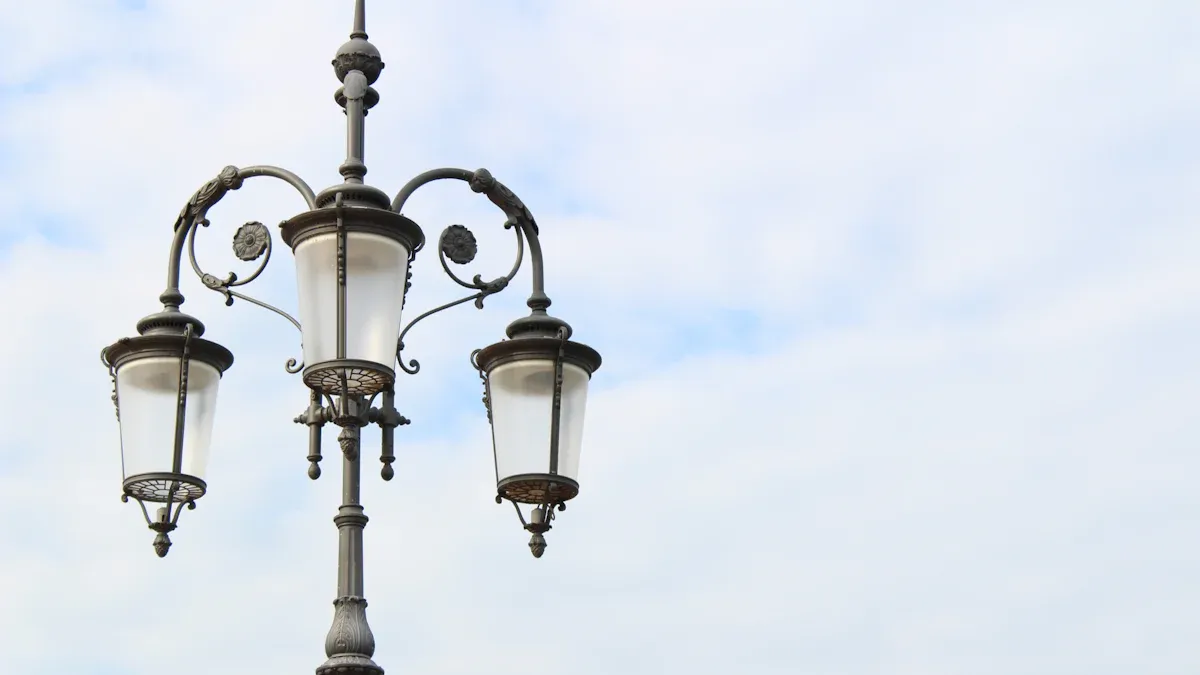
Shape and style give each light pole a special look. You can pick from straight, curved, or custom shapes. Modern poles are thin and have smooth lines. These shapes look good in cities and busy places. Old-fashioned poles, like lantern shapes, fit in old towns. You can add logos or special colors to show off a brand.
Stylish shapes and finishes:
Fit in with city streets.
Give streets a special look.
Help poles work well and look nice.
Custom designs:
Show off a brand or business.
Make places feel friendly.
Make stores and homes look better from the street.
Harmony with Landscape
You can make light poles match the land around them. Good lighting works with plants, paths, and buildings. You can plant native plants near poles to help animals and save water. Flowers add color and keep places pretty all year. Short bushes help shine light on paths, making them safer. Shiny rocks or gravel help spread light and make places brighter.
Ways to match light poles with the land:
Use lights that save energy.
Put poles near gardens or statues to show them off.
Keep views open so people can see well.
Hide cameras or sensors in the design for extra help.
Note: When you plan lights with the land, places feel safe and nice.
Decorative Elements
Decorations make light poles look special. You can add holiday lights, banners, or wreaths for events. These decorations make people happy and bring the community together. Banners can show city pride or tell about local events. Wreaths and garlands add nature to busy streets.
Holiday lights make streets feel magical.
Banners show what makes your city special.
Wreaths and garlands bring nature to the city.
Decorative poles can match the style of a neighborhood. They can be the main feature in parks or plazas. City planners use special designs to make poles fit in with local buildings. These choices change how a place looks and feels, making it nicer for everyone.
Concealed Wiring
Hiding wires inside the pole keeps things neat and safe. When wires are hidden, the area looks clean. Concealed wiring also keeps cables safe from weather and people.
Benefit | Description |
|---|---|
Enhanced Safety | Keeps wires safe from people and bad weather. |
Improved Aesthetics | Hides wires and keeps the area looking tidy. |
Concealed wiring helps light poles fit in better. This choice makes places safer and look better too.
Balancing Safety and Aesthetics in Lighting Pole Design
Design Strategies
You can make lighting poles safe and nice to look at by using smart ideas. First, use lights that do not use much energy. This saves money and helps the planet. Make sure poles are tall enough and not too far apart. This stops dark places and keeps people safe at night. Pick styles and finishes that look good in the area. Some poles can blend in, while others can stand out.
Tip: Always check the rules in your town before putting in new light poles. This helps your project go smoothly and keeps you out of trouble.
Here is a table with important ways to balance safety and looks:
Design Strategy | Description |
|---|---|
Energy Efficiency | Use features that boost efficiency and lower energy use. |
Light Distribution | Set the right height and spacing to avoid dark spots. |
Pick styles and finishes that fit the area or make a statement. | |
Local Ordinances | Follow community rules for design and placement. |
Strategic Placement | Place light poles to give the best lighting and safety. |
Security Enhancement | Use motion sensors and smart lights to keep areas safe. |
Many cities use these ideas. For example, the Sixth Street Viaduct in Los Angeles added over 4,000 feet of new concrete light poles. These poles, along with benches and planters, made the area safer and more welcoming. Leicester Square in London used special concrete columns that are both art and lighting.
Creative Materials
There are many materials you can use for light poles. Each one has its own good points for how it works and how it looks. Cast iron lasts a long time and looks classic. Aluminum is light and does not rust. Steel is strong and can hold many lights. Fiberglass does not get damaged by the sun or rain. Wood looks warm and can be carved for detail. Concrete is tough and looks modern. Composite materials can look like wood, stone, or metal.
Material | Functional Benefits | Aesthetic Benefits |
|---|---|---|
Cast Iron | Durable, withstands elements | Timeless appeal, intricate designs |
Aluminum | Lightweight, corrosion-resistant | Versatile shapes and designs |
Steel | Strong, supports various fixtures | Robust appearance |
Fiberglass | Lightweight, resists corrosion and UV rays | Mimics traditional materials |
Wood | Natural resistance to decay, warm look | Can be stained or carved |
Concrete | Durable, withstands harsh weather | Modern and minimalist style |
Composite | Lightweight, corrosion-resistant | Mimics wood, stone, or metal |
New styles in lighting pole design use cool shapes and finishes. Modern concrete poles can curve or get thinner at the top. You can pick from many colors and textures. Some poles have rough or sandy finishes for extra style. LED lights and smart controls make lighting better and use less energy. These new lights help cities save power and keep people safe.
You can help make public places safer and nicer by picking the best lighting pole features. Using smart lighting, strong materials, and good design is important. Bright lights stop people from tripping, keep homes safe, and make places worth more.
Factor | Impact of Proper Lighting |
|---|---|
Fall Prevention | Cuts down falls by up to 60% |
Nighttime Visibility | Makes it 80% easier to see at night |
Home Security | Stops 70% of break-ins by strangers |
To begin, check what kind of lighting your area needs. Ask people in your community what they think. Plan for smart lights and make sure to fix them often.
When you care about safety and looks, you make spaces where everyone feels happy and safe.
FAQ
What is the best material for outdoor light poles?
You should choose aluminum or composite for most outdoor spaces. These materials last long, do not rust, and need little care. Steel works well in strong wind areas but needs more maintenance.
How does smart lighting improve safety?
Smart lighting uses sensors to adjust brightness. You get brighter lights when people walk by. This helps you see better and keeps dark spots away. Smart lights also save energy.
Can I match light poles to my landscape design?
Yes! You can pick colors and finishes that blend with your plants and buildings. Many poles come in green, brown, or custom shades. You can also add decorations for special events.
Why is concealed wiring important?
Concealed wiring keeps cables safe from weather and tampering. You get a cleaner look and fewer safety risks. Hidden wires also make it easier to clean around the pole.
See Also
Selecting Ideal LED Street Light Poles: Key Factors to Consider
Guide to Installing Street Light Poles: Ensuring Safety and Longevity
Evaluating Lighting Poles: Finding the Best Value for Your Needs
Commercial Outdoor Lighting Options: Prioritizing Safety and Efficiency
Choosing Street Light Posts: Essential Factors for Selection