Low-Light Illumination Solutions for Modern Spaces

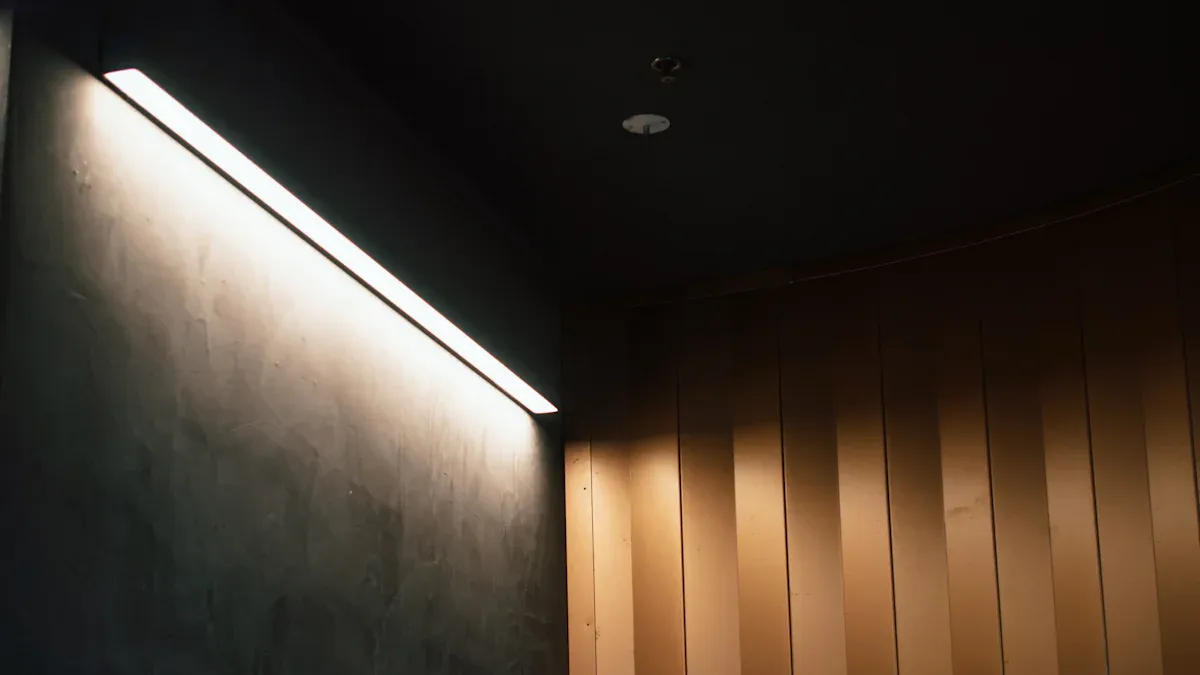
You might notice how low-light illumination can make your modern space feel cozy or dull. The right lighting changes everything. It boosts your mood, helps you focus, and brings out the best in your indoor design. Recent studies show that mixing different lighting fixtures—like ambient, task, and accent lights—makes your Home both stylish and practical. Ceiling height matters, too. When you pick modern lighting solutions, think about your unique indoor space and what fits best. New solutions, like circadian and OLED indoor lighting, offer energy-saving options that last longer. Want to learn more About Us or find the perfect Product? Let’s get started.
Key Takeaways
Use different types of lights like ambient, task, and accent. This helps make your room feel balanced and welcoming.
Try smart lighting to change how bright or colorful your lights are. This makes your home more comfortable and saves energy.
Think about using recessed lighting for a modern look. It saves space and gives even light everywhere.
If your room has a low ceiling, use wall sconces and flush mounts. These lights give more light and keep the ceiling clear.
Look at your room and what you do there. Pick lighting that looks good and works well for your needs.
Low-Light Illumination Challenges
Causes in Modern Spaces
Sometimes, your room feels dark even with big windows. Many things can make homes and offices have low-light illumination. Check out this table to see the main reasons:
Cause of Low-Light Conditions | Explanation |
|---|---|
Control of Natural Light | The sun moves during the day and year. Without smart systems, it is hard to keep light steady. |
Glare Issues | Sunlight can cause glare. Good window spots and shading help fix this. |
Daylighting Limitations | Sunlight does not reach every spot. Some places inside buildings stay dark, so you need more light. |
Even with many windows, some rooms still need more light. Smart solutions help you control brightness and stop glare. This makes your space feel better.
Effects on Mood and Function
Lighting is not just for seeing. It also changes how you feel and work. If your space is too dark, you may feel different.
Bad office lighting can cause poor sleep, tiredness, stress, anxiety, and even seasonal affective disorder. This affects 5 to 10 percent of people.
You might notice these things:
Hard time sleeping or feeling sleepy in the day
More stress or worry
Hard to focus on work
Let’s look at it closer:
Not enough light can cause symptoms of Seasonal Affective Disorder (SAD).
Natural light helps set your sleep schedule.
Sunlight raises serotonin, which makes you feel happier.
When you pick the right lighting, you help your health. You also make your home or office a nicer place to be.
Layered Lighting Solutions
Ambient, Task, and Accent Lighting
You want your home to feel bright and welcoming, even in areas with low-light illumination. The secret is to use layered lighting. This means you mix different types of light to create a balanced look. Each type has a special job.
Here’s a quick look at the three main types:
Type of Lighting | Description |
|---|---|
Ambient Lighting | The primary light source that provides overall brightness in a room. |
Task Lighting | Directed lighting for specific tasks, such as reading or cooking. |
Accent Lighting | Specialized lighting that highlights features like artwork or architectural details. |
You can think of ambient lighting as the base layer. It fills the whole room with light. Task lighting helps you see better when you do things like homework or cook dinner. Accent lighting draws attention to cool things in your space, like a painting or a textured wall.
Let’s break it down with some examples:
A pendant light can add warmth and focus in a living room.
Under-cabinet led lighting in a kitchen makes it easier to chop veggies and keeps the vibe soft.
Wall sconces with led bulbs can highlight your favorite photos or art.
When you use all three, your room feels complete. You get both style and function.
Combining Light Sources
Mixing different light sources is the best way to solve lighting problems in modern homes. You don’t have to pick just one. You can use led strips for accent, a ceiling fixture for ambient, and a desk lamp for task lighting. This combo gives you control over how your room looks and feels.
Here’s why combining works so well:
Ambient lighting gives you general illumination, so you can move around safely.
Task lighting focuses on what you’re doing, like reading or cooking, and gets rid of shadows.
Accent lighting adds depth and makes your space more interesting.
You want to match the size of each lighting layer to your room. Don’t use a tiny table lamp in a big living room. Don’t hang a huge chandelier in a small bedroom. Try led fixtures in different shapes and sizes to fit your needs.
Check out this table to see how using more than one light source helps:
Evidence Type | Description |
|---|---|
Multiplexed Lighting System | Lets you control your lighting environment. This makes you feel better and gives you a good impression of the room. |
User Study Findings | Shows that you can set your own lighting without fighting over switches. |
Comparison with Conventional Methods | Old lighting methods can’t always meet everyone’s needs. New systems with led options work better. |
Tip: Try led bulbs in all your fixtures. They save energy, last longer, and come in many colors and brightness levels.
When you layer your lighting, you get the best of everything. Your home feels brighter, more comfortable, and ready for anything.
Recessed Lighting for Modern Spaces
Benefits of Can Lights
You want your home to look clean and open, right? Recessed lighting, also called can lights, gives you that modern touch. These lights sit flush with your ceiling, so you don’t see bulky fixtures hanging down. This makes your space feel bigger and less crowded.
Here’s a quick table to show you why people love can lights:
Benefit | Description |
|---|---|
Sleek, Minimalist Look | Installed flush with the ceiling, creating a clean, uncluttered ceiling line ideal for modern spaces. |
Wide Range of Styles | Customizable trims and finishes to fit any decor, enhancing versatility in design. |
Even Illumination | Provides soft, uniform lighting that enhances comfort and ambiance, reducing harsh shadows. |
Energy Efficiency | Designed for LED bulbs, leading to lower energy costs and less maintenance over time. |
You can pick from many trims and finishes, so your lighting matches your style. These lights spread light evenly, which helps you avoid dark corners. You also save money because led bulbs use less energy and last longer.
Tip: Recessed lighting works great for low-light illumination. It lets you brighten up any room without adding clutter.
Placement and Installation
Getting the placement right is key. You want to light up every part of your room, but you don’t want too many lights in one spot. Try spacing your can lights about four to six feet apart for even coverage. Put them near walls to highlight artwork or special features.
When you install recessed lighting, safety comes first. Always turn off the power before you start. Use insulated wires and check that your fixtures and led bulbs match. If you’re not sure, call a licensed electrician. They know how to follow local codes and keep your lighting system safe.
Here are some safety tips to remember:
Hire professionals for installation to avoid electrical problems.
Clean your fixtures often so your led lights stay bright.
Replace bulbs safely and check wiring for any issues.
Make sure your fixtures are rated for wet areas if you use them in bathrooms or kitchens.
Test your dimmers to prevent fire risks and keep your lighting smooth.
You want your lighting to look good and last a long time. Good installation means fewer problems and better results. With the right led solutions, you get a safe, stylish, and modern home.
Wall Sconces and Flush Mounts
Enhancing Texture and Focal Points
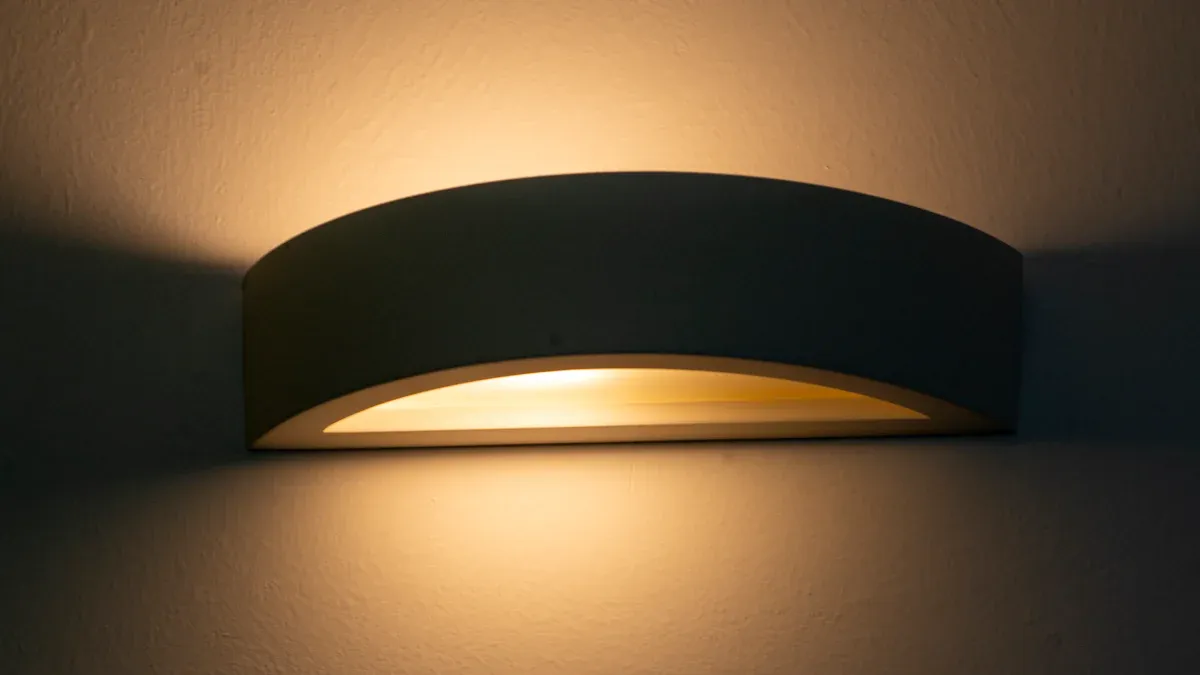
Wall sconces and flush mounts can change the way you see your space. You might want to highlight a cool wall or make a piece of art stand out. Wall sconces do this job well. They can show off crown molding or unique wall textures. When you place sconces near artwork or textured walls, you create a focal point that draws the eye.
You can also use symmetrical sconces to frame a mirror or fireplace. This trick adds elegance and makes these features pop. Flush mounts work well if you want a clean look. They blend into the ceiling and keep lines smooth. Both options help you add style and interest without taking up much room.
Here’s how wall sconces and flush mounts enhance your space:
Wall sconces accentuate architectural features and textures.
Sconces draw attention to artwork or special walls.
Symmetrical sconces frame mirrors or fireplaces, adding elegance.
Flush mounts keep the ceiling neat and modern.
Best Uses for Small or Low-Ceiling Rooms
If you have low ceilings, you know how hard it is to find good lighting. Wall sconces and flush mounts offer great solutions for low-light illumination. You can place wall sconces at eye level or higher. This makes the room feel taller and gives the illusion of height. Sconces provide both ambient and task lighting without taking up ceiling space.
Try pairing sconces with artwork or a fireplace. This adds depth and creates a focal point, even in small rooms with low ceilings. Flush mounts are perfect for low ceilings because they blend in and do not hang down. They give you plenty of led light and keep the room feeling open.
In bathrooms with low ceilings, flush mounts keep lines clean and provide bright led lighting. Place them above mirrors or use wall sconces beside mirrors for extra brightness. Led bulbs in these fixtures save energy and last longer. You get all the benefits for low ceiling spaces without clutter.
Here are some tips for using wall sconces and flush mounts in rooms with low ceilings:
Place sconces at eye level or higher to make the room feel taller.
Use sconces for ambient and task lighting without using ceiling space.
Pair sconces with artwork or fireplaces for added depth.
Choose flush mounts for small bathrooms with low ceilings.
Position lights above or beside mirrors for better led lighting.
Wall sconces and flush mounts give you flexible led lighting for any room with low ceilings. You can enjoy a modern look, save space, and get the best lighting solutions for your home.
Pendant and Ceiling Lighting
Space-Efficient Pendants
You want your home to feel open and stylish, even if you have limited room. Space-efficient pendants help you achieve that look. These lights hang from the ceiling but don’t take up much visual space. You can find high-quality modern pendant lighting in many shapes and finishes. They work well over dining tables or kitchen islands, giving you focused task lighting where you need it most.
Here are some reasons to choose space-efficient pendants:
They add a designer touch to your room.
You get excellent lighting for eating, reading, or working.
Many designs come with adjustable cords or rods, so you can set the perfect height.
Pendants fit many styles, from sleek and simple to bold and artistic.
Flush mount and semi-flush mount ceiling lights also save space. These fixtures sit close to the ceiling and spread light evenly. You won’t bump your head, and your room feels bigger.
Tip: Try grouping small pendants together for a custom look. This trick works well in entryways or above counters.
Choosing Fixtures for Low Ceilings
Picking the right lighting for low ceilings can make your room feel taller and brighter. You want fixtures that give you plenty of light without making the ceiling look lower. Flush mount lighting sits right against the ceiling, so you keep all your headroom. This style looks clean and modern.
You can also use recessed lighting. These lights hide inside the ceiling and shine light exactly where you want it. Rail track lighting gives you flexibility. You can point the lights at different spots, like your favorite chair or a piece of art.
Here’s a quick guide to help you choose:
Flush mount lighting for a neat look and maximum space.
Recessed lighting for a modern vibe and focused light.
Rail track lighting for adjustable brightness and style.
Wall lights work well, too. Place them about five feet above the floor to avoid glare. Floor and table lamps add extra light and help fill dark corners. Pick lamps that match the size of your room, so everything feels balanced.
If you want your room to look taller, paint the ceiling white and use light colors on the walls. Simple furniture with clean lines also helps. You can create a focal point with a bold pendant or a unique lamp to draw the eye upward.
Note: When you choose lighting for low ceilings, focus on fixtures that blend in and brighten every corner. This approach makes your space feel open and welcoming.
LED Strips and Accent Lighting
Creative Placement Ideas
You can do so much with led light strips in your home. These flexible lights let you get creative and make your space feel special. Want to show off your favorite artwork? Place led light strips around photo frames or behind paintings. This trick gives your room a gallery vibe and makes your art pop.
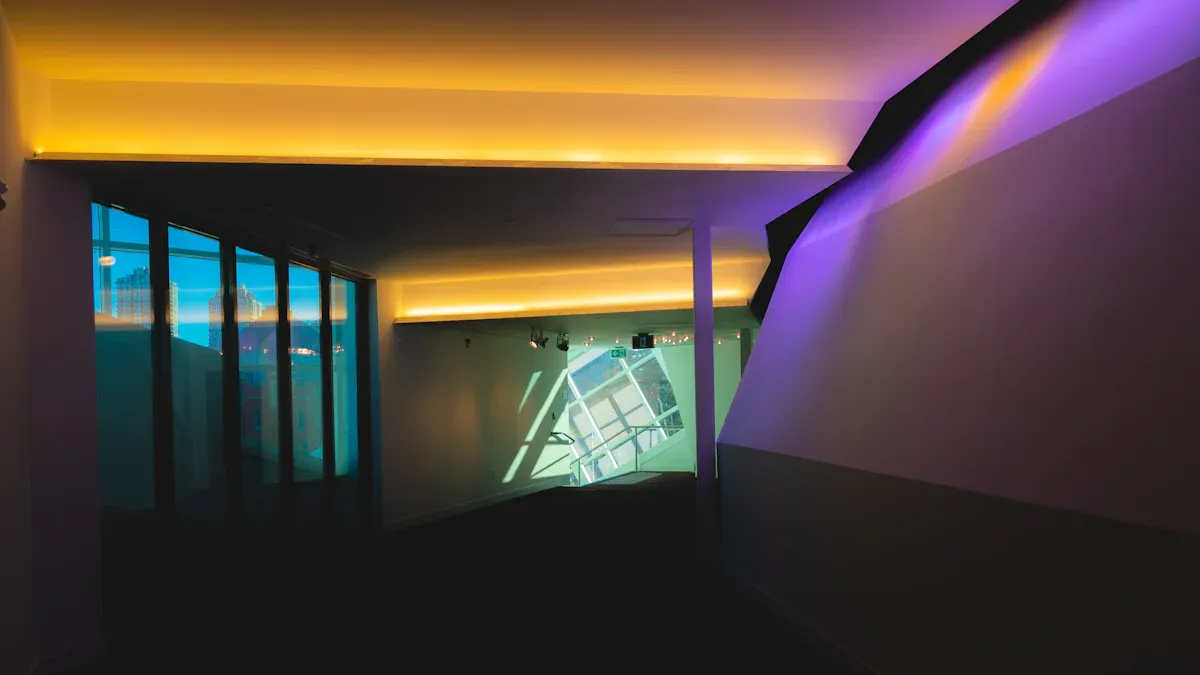
Try making an accent wall by installing led light strips in cool patterns. You can draw attention to one side of the room and give it a modern twist. Cove lighting works well, too. Just tuck led light strips into a recessed part of the ceiling. You get a soft, even glow that feels cozy and stylish.
Some people even turn their ceilings into a starry night sky. Tiny led lights can make your room feel calm and magical. You might like perimeter ceiling lighting. This style uses led lighting solutions along the edge of the ceiling to highlight cool shapes and details.
Want your bed to look like it floats? Add led light strips under the bed frame. This simple idea gives your room a modern touch. Shelves also look great with led lighting. Place strips under each shelf to show off your favorite books or decor.
Tip: Use led lighting solutions with remote controls. You can change colors and brightness to match your mood.
Ambient Glow with Opaque Shades
You can create a soft, relaxing glow with led light strips and opaque shades. Place the strips behind frosted glass or under cabinets with a diffusing cover. The light spreads out and feels gentle, not harsh. This trick works well in bedrooms, living rooms, or even hallways.
Opaque shades help hide the light source. You see only the glow, not the strip itself. This makes your lighting look smooth and professional. Try using led light strips behind your TV or along the back of a headboard. You get a cozy vibe that feels high-end.
If you want to relax after a long day, dim the lights and enjoy the soft glow. You can use led lighting solutions with dimmers for even more control. Your space will feel warm and inviting, perfect for any mood.
Smart Lighting Solutions
Adjustable Brightness and Color
You want your space to feel just right, no matter the time of day. Smart lighting solutions help you do that. With smart bulbs and fixtures, you can change the brightness and color with a tap on your phone or a voice command. This technology lets you set the mood for movie night, study time, or a cozy dinner.
Take a look at how two popular brands compare:
Feature | Philips Hue | LIFX |
|---|---|---|
Color Options | Wide range, but some limits | 550 billion color variations |
Circadian Rhythm Lighting | No | Yes |
Entertainment Features | Yes | No |
LIFX gives you more color choices and easy setup. Philips Hue offers a strong app and great routines, but you need a bridge to connect. Both brands let you control your lighting from anywhere. You can match your lights to your mood or even your favorite song.
Tip: Try using color-changing lights to wake up gently in the morning or relax before bed. You will notice a big difference in your daily routine.
Integrating Dimmers and Sensors
Smart lighting solutions do more than just change colors. You can add dimmers and sensors to boost energy efficiency and comfort. Dimmers let you make your room bright for homework or soft for relaxing. Sensors turn lights off when you leave, so you never waste power.
Here are some ways smart controls help you:
Adjust brightness and color temperature for the perfect ambiance.
Use dimmers to create a cozy or bright setting.
Install occupancy sensors to save energy when no one is in the room.
Try daylight sensors to use natural light and cut down on electricity.
Smart lighting is growing fast. In 2025, about 15% of homes will use it. By 2029, that number will jump to over 34%. This technology makes your home smarter and helps you save money. You get better efficiency and a space that feels just right every time you walk in.
Selecting the Right Lighting Solutions
Assessing Your Space
You want your indoor area to feel bright and comfortable. Start by looking at how you use each room. Think about what you do there. Do you read, cook, or just relax? The right indoor lighting depends on these activities. Measure the size of your room and notice any obstacles that might block the light. Walk around and see where shadows fall or where you need more brightness.
Here’s a table to help you check important factors before you pick your lights:
Factor Type | Description |
|---|---|
Financial | Think about how much you want to spend on new lights. |
Energy Efficiency | Look for lights that use less power and save money. |
Visual and Non-Visual Effects | Notice how lights make your eyes feel and how they change the mood. |
Occupants’ Comfort | Make sure everyone feels good in the room. |
Illuminance Levels | Pick the right amount of light for each activity. |
Glare Control | Try to stop bright spots that hurt your eyes. |
Color Temperature | Choose warm or cool light to set the mood. |
Compliance with Codes and Standards | Check that your lights are safe and follow the rules. |
You should also think about the flow of people in your indoor space. Place lights where you walk the most. Don’t forget to match the color temperature to the feeling you want. Warm light feels cozy, while cool light helps you focus.
Tip: Don’t treat lighting as an afterthought. Plan it early so your indoor area works well and looks great.
Balancing Style and Function
You can have both style and function in your indoor lighting. Try layering different types of lights. Use a ceiling fixture for general light, a lamp for reading, and small spotlights for art. This mix makes your room feel warm and ready for anything.
Pick bulbs in the 2700K-3000K range for a cozy look.
Keep the color temperature the same in all your lights. This helps your room look smooth and not patchy.
Think about how each fixture fits with your furniture and decor.
Dimmers are indispensable for adjusting brightness based on mood or time of day, allowing for a bright space for cooking or a softer glow for winding down. Home automation systems can create custom lighting scenes, ensuring your home is always lit exactly the way you want.
Watch out for common mistakes. Don’t ignore the room’s main use when you choose fixtures. Don’t forget about energy savings or the mood you want to create. Try to avoid areas that are too bright or too dark. When you balance style and function, your indoor space feels just right for every moment.
You can change your room with low-light illumination if you follow some easy steps. First, use different lights like task lights, accent fixtures, and smart controls. This helps you see better and makes your space look nice. Next, try out different color temperatures and use dimmers to set the mood you want. Let in as much natural light as you can. Use wall sconces or track lighting to show off special parts of your room.
Don’t be afraid to try new kinds of lighting. If you want everything to look great, a professional can help you avoid mistakes and make your space feel warm and friendly.
Benefit | Description |
|---|---|
Lower bills and less maintenance | |
Enhanced Aesthetics | A more inviting, productive environment |
FAQ
What’s the best lighting for outdoor spaces with low light?
You can use LED floodlights or solar-powered fixtures for outdoor areas. These lights brighten patios, walkways, and gardens. Try motion sensors for extra safety and energy savings.
Can I use indoor lights for outdoor settings?
No, you shouldn’t use indoor lights outside. Outdoor fixtures have weatherproof designs. They handle rain, wind, and temperature changes. Always check the label before installing any light outdoors.
How do I layer lighting in outdoor areas?
Start with ambient lighting, like string lights or lanterns. Add task lights near grills or seating. Accent lights highlight trees or walls. Layering outdoor lighting makes your space safe and inviting.
Are smart lighting solutions good for outdoor use?
Yes! Many smart bulbs and fixtures work outdoors. You can control brightness and color with your phone. Some outdoor smart lights connect to sensors for automatic on/off.
What’s the easiest way to upgrade outdoor lighting?
Try swapping old bulbs for LED ones. Add solar-powered path lights or wall sconces. You can install outdoor string lights for a cozy vibe. These upgrades need little effort and make a big difference.
See Also
Creative Lighting Options for Businesses: Style Meets Efficiency
Top 10 Low Bay LED Fixtures for Commercial Areas in 2025
Energy Efficient LED Lighting: Varieties and Uses for Today’s Interiors
Recessed Ceiling Lighting: Enhancing Architecture with Effective Illumination
Business Lighting Strategies: Effective Solutions and Best Practices