Low Pressure Sodium Lamps: Technology, Applications, and Future in Lighting

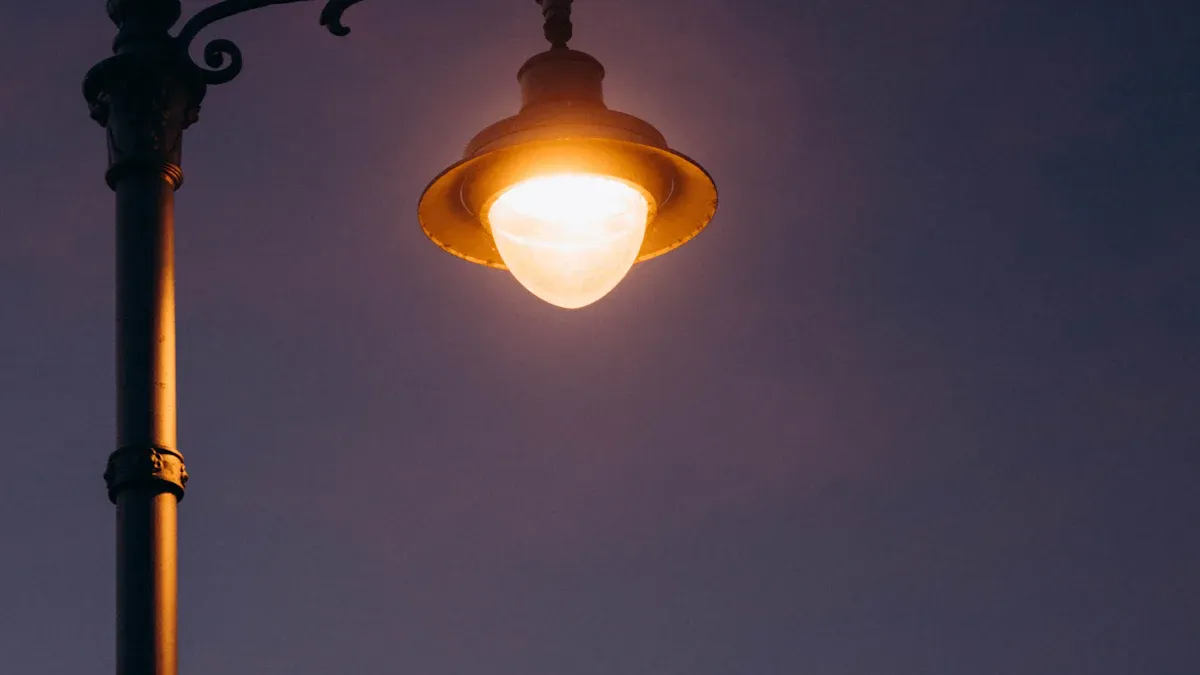
You often see low pressure sodium lamps in city streets or parking lots. These lamps use a special technology that shines a strong yellow light. This light does not show colors well, but it helps you see shapes and movement at night. Here are some important facts:
Low pressure sodium lamps give about 50 lumens per watt.
This lighting matches the efficiency of many other types.
LEDs usually last longer and save more energy.
You might wonder if you should use this technology at Home, or learn About Us and our Product choices.
Key Takeaways
Low pressure sodium lamps give off a strong yellow light. This makes them good for outdoor places in fog or rain. These lamps use less energy and last a long time. They can work for 12,000 to 24,000 hours. This helps cities spend less money fixing lights. Low pressure sodium lamps help save energy. But they do not show real colors well. So, they are not good for places where seeing colors is important. These lamps do not attract many insects. This helps outdoor areas and animals. LED technology is getting better. Many cities now use LEDs because they show colors better and last longer. But low pressure sodium lamps are still used for some special jobs.
Low Pressure Sodium Lamps Overview
What Is Low Pressure Sodium Light
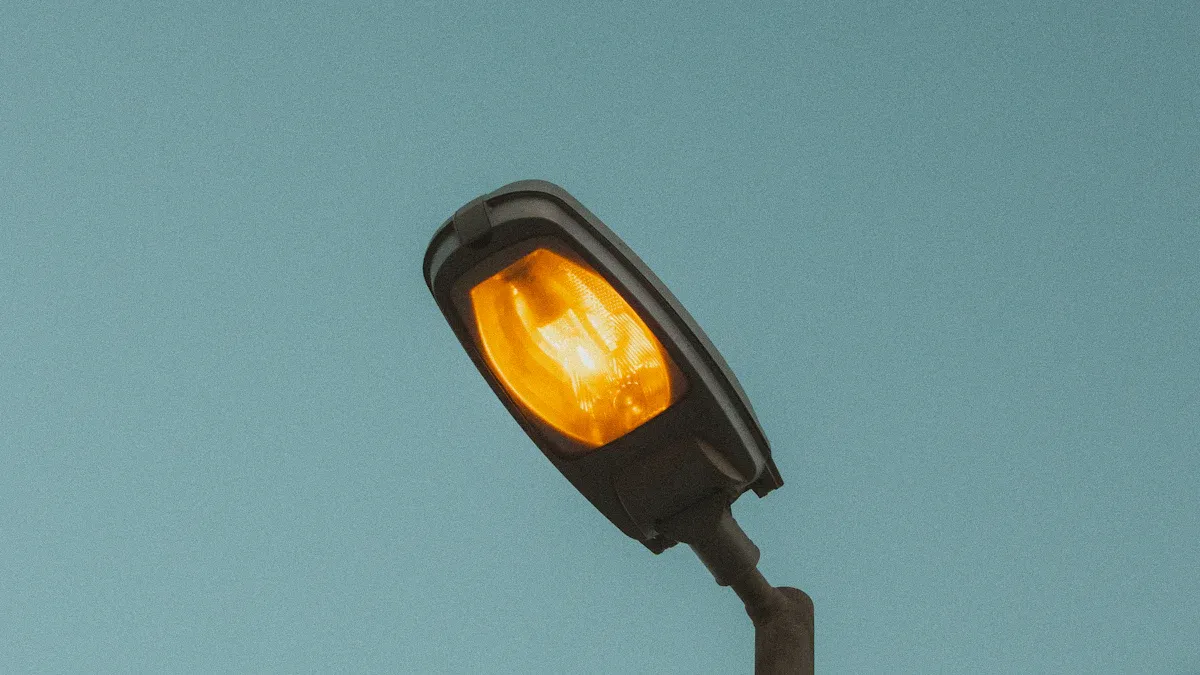
You may notice a strong yellow glow when you walk under certain streetlights at night. This is low pressure sodium light. It comes from a special type of lamp that uses sodium vapor to create a very bright, single-color light. You see this yellow color because the lamp produces almost no other colors. Low pressure sodium light helps you see outlines and movement clearly, even in fog or rain. Many cities use this kind of lighting for roads and walkways because it works well in all weather. You might find low pressure sodium light in tunnels, parking lots, and some industrial areas. This type of lighting does not show the true colors of objects, but it makes sure you can see what is happening around you.
Key Features and History
Low pressure sodium lamps stand out because they give off a pure yellow light. You get high efficiency from these lamps, which means they use less energy to make a lot of light. They also last a long time, so you do not need to replace them often. You will find that low pressure sodium light does not attract many insects, which makes it useful for outdoor lighting.
The story of low pressure sodium lamps began in the 1930s. People first used them for street lighting because they wanted a bright and efficient way to light up roads. Over time, new types of lighting appeared. In the 1960s, high-pressure sodium lamps became popular because they gave a wider range of colors and better efficiency. Later, in the 2000s, LED lighting started to take over. LEDs offer even better color and use less energy. Because of these changes, you now see fewer low pressure sodium lamps in cities. Still, you can find them in places where their special yellow light is needed.
Low Pressure Sodium Lamps: How They Work
Operating Principles
Low pressure sodium lamps are used outside in many places. They work by heating sodium metal inside a glass tube. When the lamp turns on, the sodium turns into a gas. This makes the lamp give off a bright yellow light. The yellow color comes from sodium atoms giving off energy at two close wavelengths, about 589.0 and 589.6 nanometers. Because the lamp mostly gives off yellow light, things look gray or yellow under it. You cannot see real colors, so the color rendering is not good. This helps you see shapes and movement, but not color details.
Main Components
There are several main parts inside a low pressure sodium lamp:
The outer bulb is made of borosilicate glass. It protects the lamp and keeps it at the right temperature.
The ballast controls the electricity so the lamp works safely and well.
Sodium and mercury make the light when they turn into ions.
Electrodes help start and keep the electric discharge going.
Neon gas helps the lamp start up.
The arc tube holds the gases and sodium metal.
Sodium metal makes the yellow light when it gets hot.
All these parts work together to give steady lighting that lasts a long time.
Comparison with Other Lighting Technologies
You may wonder how low pressure sodium lamps compare to other lights. These lamps are very efficient and last 12,000 to 24,000 hours. High pressure sodium lamps can last up to 24,000 hours. Fluorescent lamps last about 10,000 hours. LED lamps last the longest, from 50,000 to over 100,000 hours.
Lamp Type | Average Lifespan (hours) |
|---|---|
Low Pressure Sodium (LPS) | 12,000 - 24,000 |
High Pressure Sodium (HPS) | up to 24,000 |
LED | 50,000 - 100,000+ |
Fluorescent | ~10,000 |
LED lights use less energy and last much longer. Still, low pressure sodium lamps are good when you need bright, long-lasting light and do not need to see true colors.
Low Pressure Sodium Lamps Applications
Street Lighting and Public Spaces
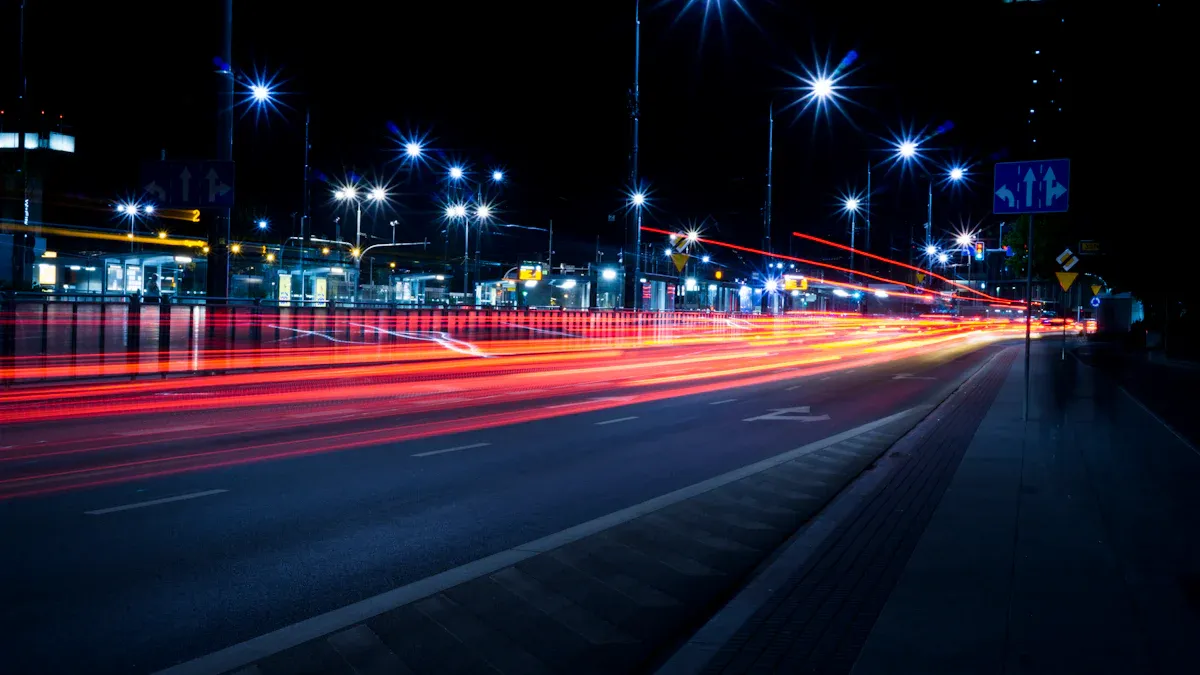
Low pressure sodium lamps are used in many street lights. Cities pick these lamps for a few reasons. The yellow light helps people see better at night. It works well in fog and rain. These lamps make it easy to see shapes and movement. This keeps people safe when they walk or drive. Cities like these lamps because they save money. They use less electricity and last up to 30,000 hours. Workers do not need to change them often, so they fix lights less.
Sodium lamps use less energy, so cities pay less.
They last a long time, so workers replace them less.
The yellow light makes public places safer and easier to see.
You find these lamps on highways, bridges, tunnels, and parking lots. London used these lamps on big roads for many years. Many European cities used them before switching to led street light systems. Some parks and walkways still use these lamps. They work well in all kinds of weather.
Industrial and Security Lighting
Factories and warehouses need good lighting to stay safe. Low pressure sodium lamps give steady light. This helps security teams watch the area. You see these lamps near fences, gates, and loading docks. The yellow light makes it easy to see movement at night. These lamps last a long time, so you do not change bulbs often.
Benefit | Description |
|---|---|
Reliability | The light stays the same, which helps keep places safe. |
Low Maintenance | You do not need to change the lamps a lot. |
Improved Visibility | Security teams can see better around the building. |
Durability | These lamps work in bad weather, so they stay on. |
You find these lamps in power plants, storage yards, and rail yards. Some airports use them for lights around the edge. Older industrial parks use them if they do not have led street light upgrades yet.
Benefits for Outdoor Use
Low pressure sodium lamps are good for outdoor use. You see fewer bugs around these lamps than led street light systems. The yellow light does not attract as many insects as white light. Studies show that white LEDs affect bugs more at night. Using these lamps helps protect local animals.
These lamps give off mostly yellow light, which is better for insects than other lights.
You see fewer bugs near street lights, so places stay cleaner.
High pressure sodium lamps also do not attract as many bugs as led street light options.
People use these lamps outside in parks, sports fields, and country roads. They give bright light, cost less, and do not hurt the environment as much. Some nature reserves and wildlife areas still use these lamps to help protect insects and animals.
Advantages and Disadvantages
Energy Efficiency and Longevity
Low pressure sodium lamps use less energy than old lights. They are found in places where saving energy is important. These lamps can last up to 24,000 hours. You do not need to change them often. This saves money on energy and fixing lights. Cities pick these lamps for outdoor use because they save power and last long. You can count on them to work for many years.
Color Rendering and Visibility Issues
Low pressure sodium lamps do not show real colors. Their color rendering index is very low, between 0 and 25. You only see yellow and gray under these lamps. High-pressure sodium lamps are a little better but still not great. LED lighting shows colors much better and saves more energy.
It is hard to tell colors apart with these lamps.
The yellow light is not good where color is important.
These lamps are big, so light can go the wrong way and cause glare or dark spots.
Some cities use other lights with these lamps to help people see colors and details.
Environmental and Maintenance Considerations
You should think about the environment when picking lights. Low pressure sodium lamps have a little mercury inside. High-pressure sodium and fluorescent lamps do too. Mercury can hurt the soil and air if not thrown away right. Workers can get hurt if a lamp breaks when being thrown out. LED lights do not have these chemicals. Most LED parts can be recycled, which helps nature and saves energy.
LEDs do not need special steps to throw away chemicals or gases.
Using LEDs means less trash and lower costs.
Choosing lights with fewer bad materials helps the earth.
Tip: When picking lights, think about saving energy, how long they last, if you need good color, and how easy it is to recycle them.
Future of Low Pressure Sodium Lamps
Market Trends and LED Competition
You see big changes in the lighting world today. Many cities and companies want energy-efficient lighting for streets and public spaces. Low pressure sodium lamps still play a role because they save energy and cost less than some other outdoor lighting options. In places like India and China, you notice more demand for these lamps. These countries build new roads and cities, so they need strong and reliable lighting.
However, you also see a shift toward new technology. Almost half of new street lighting projects now choose led or light emitting diode systems instead of low pressure sodium lamps. Led technology gives you better color, longer life, and lower energy use. You find that led and light emitting diode lighting can turn on instantly, while low pressure sodium lamps need time to warm up. This makes led and light emitting diode lights more popular for many projects.
Note: Led and light emitting diode lighting now lead the market for new street and outdoor lighting. You see fewer new low pressure sodium lamps in many cities.
Potential Roles and Decline
You may wonder if low pressure sodium lamps will disappear soon. These lamps still have special uses. You find them in tunnels, some street lighting, and industrial areas. Their long life and energy savings help cities and companies that want to cut costs. Some smart city projects use these lamps with new technology, like sensors and IoT systems, to make lighting smarter and more efficient.
Still, you see led and light emitting diode lighting replacing low pressure sodium lamps in many places. Led and light emitting diode lights show colors better and use even less energy. You notice that more cities plan to switch to led and light emitting diode lighting for all outdoor spaces. Over time, low pressure sodium lamps may only stay in places where their special yellow light is needed.
Tip: If you plan a new lighting project, you should look at led and light emitting diode options first. These lights give you better color, faster start-up, and lower costs in the long run.
You now know that low pressure sodium lamps work well outside. They last a long time and use energy wisely. Here is a simple table that shows what is good and bad about them:
Advantages | Disadvantages |
|---|---|
Gives steady yellow light, saves energy | Does not show colors well, takes time to start |
Good for checking optical rotation | Has mercury inside, does not last as long |
Lots of cities use LED lights now, but some places still use sodium lamps. Think about how much you want to spend, if you need to see colors, and what new lights are out there before you decide.
FAQ
What makes low pressure sodium lamps different from other street lights?
You see a strong yellow light from these lamps. They use sodium vapor to make light. Other street lights, like LEDs, show many colors. Low pressure sodium lamps help you see shapes and movement, but not true colors.
Why do cities still use low pressure sodium lamps?
Cities choose these lamps because they save energy and last a long time. You find them in places where color is not important. They also cost less to run and do not attract many insects.
Are low pressure sodium lamps safe for the environment?
You should know these lamps have a small amount of mercury. You must recycle them properly. If you want a safer choice, you can pick LED lights. LEDs do not have mercury and are easier to recycle.
Can you use low pressure sodium lamps at home?
You can use them, but you may not like the yellow light. These lamps do not show colors well. Most people pick LED bulbs for homes because they give better color and use less energy.
See Also
Comparing Low Pressure Sodium And LED Lights: Efficiency And Impact
Essential Insights Into Street Light Bulbs: Types And Uses
Comprehensive Overview Of Electric Lamps: Varieties And Applications
Understanding LED High Bay Lights: Uses, Advantages, And Selection
Effective Commercial Lighting: Solutions And Best Practices For Businesses