Mastering Focused Light Techniques: How to Create Dramatic Effects with LED Spotlighting

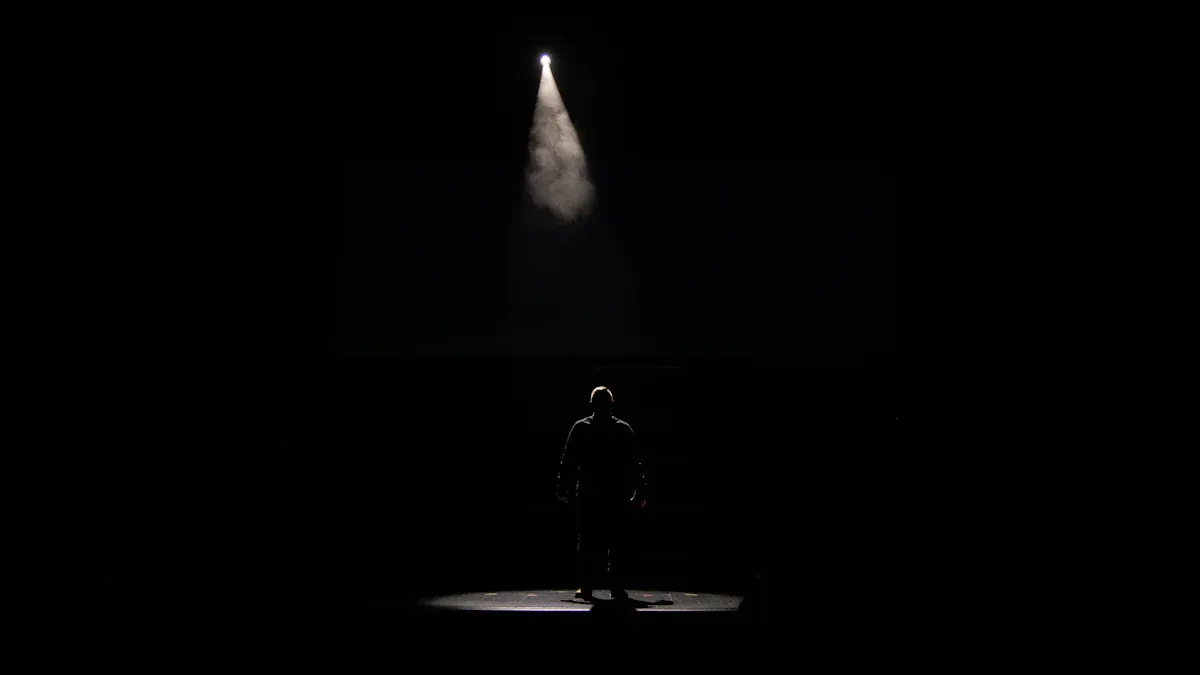
You can use focused light techniques with led spotlights to change any space. This makes the area look dramatic. When you use dynamic lighting designs, you make actions stand out. You also help set pieces get noticed. Using led lights in new ways lets you change colors and brightness. This helps you make different moods and improve the atmosphere.
Spotlights help people look at important areas. They also let you control shadows for a better scene.
Lighting designers say this way makes things look better. It also helps the audience enjoy the space more. Try using these effects in your Home, About Us, or Product displays.
Key Takeaways
Focused lighting helps show important spots and makes things look dramatic. Use spotlights to help people look where you want and make the mood better.
Pick the right LED stage lights by looking at how bright they are, their beam angle, and color temperature. This helps your lights fit the mood and what your show needs.
Plan your lighting design with care. Decide what lights you need, where to put them, and how many you need for good coverage and strong effects.
Use layers of lighting like ambient, task, and accent lights. Mixing these lights adds depth and makes the stage look better.
Test your lighting before the show starts. Change the angles and spots to stop harsh shadows and keep the lighting even during the whole show.
Focused Light Techniques Basics
What Is Focused Lighting?
Focused light techniques help you point light at certain spots. This lets you show off important things and make strong effects. Focused lighting is different from general lighting. It uses a big difference between light and dark. You can make things pop by using less fill light. You can also use tools to make shadows deeper. This way, people look at the main parts and the scene feels more exciting. When you use a spotlight, you choose where people look. You also help them feel a certain way about the space.
Tip: Focused lighting is great for suspense or showing a performer on stage.
Grid Modifiers and Light Control
Grid modifiers let you change how wide the light spreads from your spotlight. These tools help you aim the light and stop it from going where you do not want. You can use grid modifiers to make your subject stand out from the background. They also help you make moody portraits. The table below shows what grid modifiers do to your lighting:
Effect | Best For |
|---|---|
Controlled, focused light | Creating separation, moody portraits, or precise lighting setups |
When you put a grid on your led spotlight, you get more power over where the light goes and how bright it is. This helps you make the light sharper and the effects more dramatic.
Cinematic Lighting Principles
You can use cinematic lighting ideas to make your spotlight setups even better. These ideas help you set the mood and make your scene look deeper. The table below lists some main ideas:
Principle | Description |
|---|---|
Three-Point Lighting | Use Key Light, Fill Light, and Backlight for depth and subject separation. |
Soft Light vs. Hard Light | Hard Light gives sharp shadows for drama; Soft Light creates gentle shadows for a smooth look. |
High-Key vs. Low-Key | High-Key is bright with low contrast; Low-Key is dark with high contrast for suspenseful scenes. |
Motivated Lighting | Use light sources that make sense in the scene for realism. |
Utilizing Special Effects | Add dynamic effects like strobe or lightning for extra drama. |
You can use these ways to focus your lighting, set the mood, and make your effects better. When you know these basics, you are ready for more advanced spotlight tricks.
Choosing LED Stage Lights
Key Features of LED Stage Lights
If you want to make your stage look dramatic, you need to know what makes led stage lights different. These lights make bright, focused beams. This helps you shine light on important spots. You can mix colors to change the mood fast. Some controls let you change the lights exactly how you want. Certain led stage lights, like the LB150, have very narrow beams. This lets you focus on small areas. Spot fixtures work well in thick fog or haze. They are great for spotlighting.
Here are some important features you should look for:
Bright, focused beams help you show off people or objects.
You can mix colors for cool lighting effects.
Easy controls let you change lights during a show.
Selecting the Right Spotlight
Picking the best spotlight depends on a few things. You need to match the light’s brightness and beam size to your stage. A narrow beam is good for small spots. A wide beam lights up bigger areas. The color temperature is important too. Warm white lights make the stage feel cozy. Cool white lights are better for lively scenes.
Tip: Always look at the color rendering index (CRI). A high CRI (over 80) makes colors look real on stage.
Here is a quick guide to help you pick the right spotlight:
Factor | Description |
|---|---|
Brightness (Lumens) | More lumens means a brighter light; pick what you need. |
Beam Angle | Narrow beams (15-30°) for small spots, wide beams (40-60°) for big areas. |
Color Temperature | Warm white (2700K-3000K) for cozy spaces, cool white (4000K-6000K) for work. |
Wattage | Use less wattage inside, more wattage outside. |
IP Rating | Waterproof (IP65+) is best for outside or wet places. |
Think about if you need to dim the lights and how your stage is set up. The right spotlight helps you grab the audience’s attention and make strong effects.
Comparing LED and Traditional Lights
When you look at led stage lights and old stage lights, you see many changes. Led stage lights use less power and last much longer. They give you more color choices and better control. Old lights get hot and break down more often.
Specification | Traditional Stage Lights | LED Stage Lights |
|---|---|---|
Energy Efficiency | 500W to 1000W, lots of heat lost | 100W to 300W, uses less energy |
Lifespan | 200 to 2000 hours | 20,000 to 50,000+ hours |
Color Fidelity | Few colors, uses gels | High CRI (90+), many colors |
Heat Management | Gets very hot | Stays cool with heat sinks |
Physical Footprint | Big and heavy | Small and light |
Advanced Control | Basic DMX | Digital and AI controls |
Led stage lights give you more ways to design and keep people safe. They help you make bold and exciting lighting on any stage. When you pick the right spotlight, your lighting will really stand out.
Lighting Design and Setup
Planning Your Lighting Design
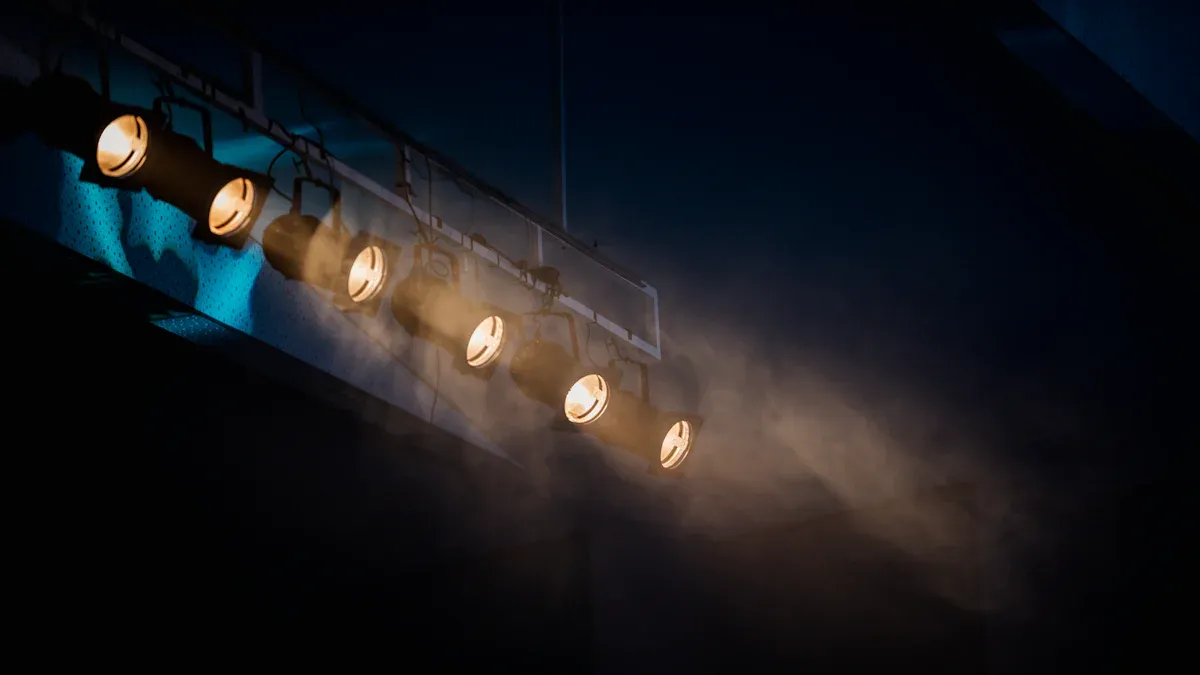
You need a clear plan before you set up led stage lights. Good planning helps you use focused light techniques to create strong visual effects. Start by choosing the type of spotlight you want. Warm white spotlights work well for task lighting, while RGBW spotlights add color for ambient lighting. Next, decide where to place each light. Put warm white spotlights in areas that need bright light. Use RGBW spotlights for stylish, diffuse lighting.
Follow these steps to plan your lighting design:
Determine the type of led stage lights you need for your stage.
Plan the placement of each spotlight. Place warm white spotlights where you need brightness. Use RGBW spotlights for mood and color.
Calculate how many spotlights you need. Make sure the beams overlap by about one-third for even coverage.
Keep a distance of about 59 inches between each light for the best results.
Avoid placing spotlights where they might hit ceiling fans or other moving objects.
You can use a mix of ambient, task, and accent lighting to build a layered lighting design. Multiply the room’s square footage by 20 to find the lumens needed for ambient lighting. For task lighting, multiply by 30 or 50. This helps you get the right intensity for each part of your stage.
Tip: Always check that your spotlights do not interfere with other equipment on stage.
Light Placement for Drama
The way you place your led stage lights changes how your stage looks and feels. You can use focused light techniques to guide the audience’s focus and create depth. Talk with your stage manager to make sure your lighting design matches the needs of the performance. Each show may need a different setup.
Here is a table to help you understand how different placements affect your stage:
Lighting Type | Effect on Stage |
|---|---|
Overhead Lights | Provide broad coverage and atmospheric effects |
Side Lights | Add depth and dimension |
Layered Lighting | Create a complex and engaging visual experience |
High Placement | Broad coverage but may create unwanted shadows |
Low Placement | Focused lighting but may require multiple fixtures |
Spacing and Angles | Impact brightness and evenness of lighting |
Strategic placement of spotlights helps you highlight key moments and create dramatic scenes. Overhead lights give you broad coverage. Side lights add depth and make the stage look three-dimensional. Layered lighting combines different angles and heights to make your stage more interesting. You can use high placement for wide coverage, but watch out for harsh shadows. Low placement gives you focused lighting, but you may need more lights to cover the area.
Note: Different lighting angles can change the mood of your stage. Try different setups to see what works best for your show.
Using Fill and Indirect Lighting
Fill lighting and indirect lighting help you balance your lighting design and add mood to your stage. Fill lighting supports your main spotlight by softening shadows. Place the fill light opposite the key light, but keep it less intense. This makes the scene look more natural and inviting. Fill lighting removes harsh shadows and helps the audience see every detail.
Indirect lighting, like recessed LED strips, adds depth and atmosphere. You can use these lights to highlight walls, steps, or set pieces. Indirect lighting does not shine directly on the performers. Instead, it creates a soft glow that makes the stage feel larger and more dynamic.
You can layer your led stage lights in three ways:
Ambient lighting gives you overall brightness. Use ceiling uplights or central fixtures for this layer.
Task lighting focuses on specific activities or areas, like a reading desk or a performer’s spot.
Accent lighting draws attention to special features, such as artwork or unique stage props.
When you combine these layers, you create a balanced and inviting stage. Each layer works together to support your lighting design and enhance your visual effects.
Tip: Use fill lighting to soften shadows and indirect lighting to add mood. This helps you create a more engaging and professional stage setup.
Creating Dramatic Effects with Spotlights
Enhancing Contrast and Depth
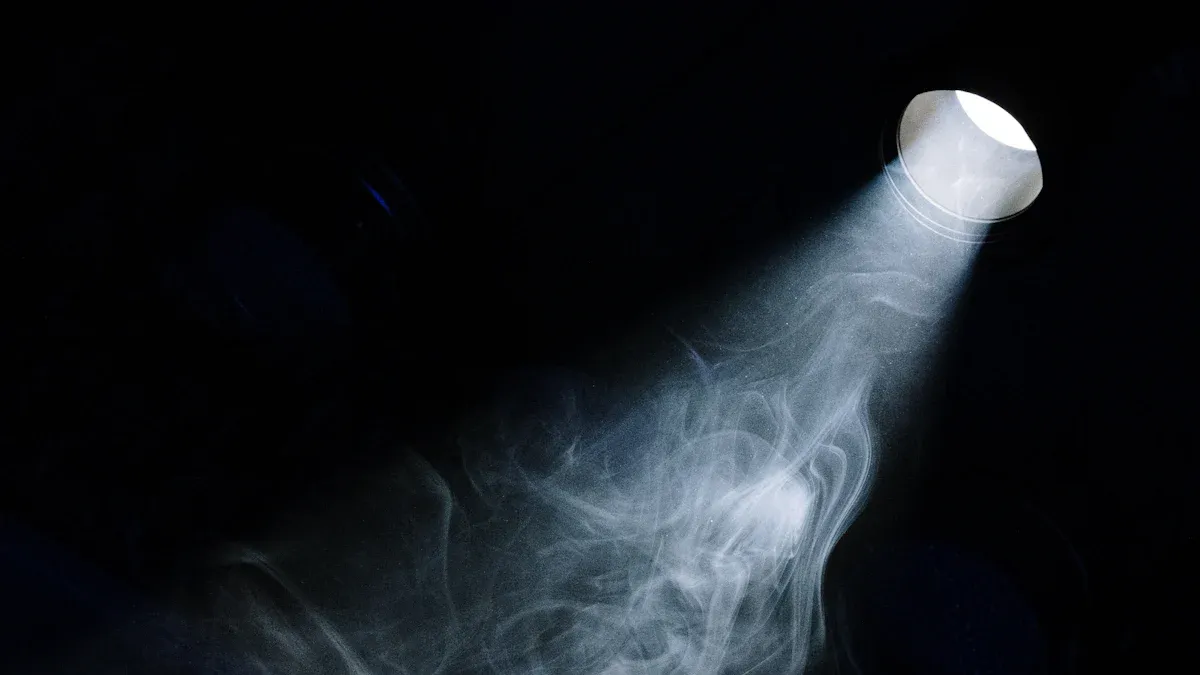
You can use a spotlight to make your stage look more interesting. When you shine lights on key features, you help the audience know where to focus. Spotlights let you highlight lead actors while keeping others in shadow. This creates a sense of depth and makes the scene feel real. You can also use spotlights to define the space between performers and set pieces. Shadows from these lights add texture and make the stage look three-dimensional. Try placing your subject in a dark area and use a spotlight to make the effect more dramatic. Backlighting works well to separate the subject from the background and increase depth.
Use narrow beams (10–30°) for focused lighting on specific features.
Wide beams (60–120°) help wash large surfaces or create even glows.
Place wall-wash lights 6–12 feet from a wall to highlight textures.
Crafting Shadows and Highlights
Spotlights help you create strong shadows and bright highlights. You can use hard light to make sharp, defined shadows by changing the angle of your lights. High-contrast setups make the interplay of light and shadow stand out. Highlights draw attention to important areas and add depth. Try using reflective surfaces like mirrors to bounce light and create stunning highlights. Rim lighting, where you put a light behind the subject, adds a halo effect for extra drama.
Tip: Start with a dark base and use a single spotlight for the most dramatic effects. Block unwanted light to keep your shadows clean.
Combining Natural and LED Light
You can mix natural light with led stage lights for unique results. Use cool white lights (4000K–5000K) for a modern feel or warm white (2700K–3000K) for a cozy glow. Place floodlights at the base of trees or columns to show height. Create silhouettes by putting lights behind objects. This mix of lighting helps you focus on 1–3 key features and keeps the scene from looking cluttered. Embrace shadows to add depth and make your dramatic effects stand out.
Troubleshooting and Common Mistakes
Avoiding Harsh Shadows and Glare
Harsh shadows and glare can mess up your dramatic effects. You want your led stage lights to make clear shapes, not bright spots or deep shadows you do not want. Try these ideas to keep your lights even:
Add more lights and spread them out to make shadows softer.
Pick bigger lights so the light covers more space.
Use some ambient lighting to help fill in dark spots.
Put your lights higher so shadows fall down and away from faces.
Use natural light if you can.
If you see glare or sharp lines, change the angle of your spotlight. Move it back or to the side until the light looks smooth. Always test your lights before the show starts.
Preventing Flat Lighting
Flat lighting makes your stage look boring and flat. You want your audience to see depth and drama.
To stop flat lighting, use directional lighting by putting your lights at different angles. This makes a difference between bright and shadowed spots. Layer your lights by adding downlights or floor lamps. Try using your spotlight at a sharp angle to make long shadows and add drama.
Mixing different led stage lights helps you avoid a flat look. Test your setup and move your lights until you see strong highlights and shadows.
Consistency in Lighting Design
Keeping your lighting design the same helps your stage look good. If your lights change color or brightness, people will lose focus. Here are some ways to keep your lighting steady:
Use networked lighting controls to change all your led stage lights together.
Try luminaire-level controls to manage each light for people and daylight.
Pick high-quality lights that keep colors the same on your stage.
Use tunable white fixtures so you can change color after you set them up.
Check your setup before every show. Make sure each spotlight matches the others in color and brightness. Consistent lighting keeps your dramatic effects strong and your audience focused.
Mistake | Common Issues | Solution |
|---|---|---|
Choosing the Wrong Light Type | Using spotlights for broad washing | Learn about each light and its best use |
Poor Placement | Lights too close, causing harsh shadows | Balance front, side, and backlighting |
Underestimating Power Needs | Not enough outlets for all lights | Plan power and have backup options |
Not Testing Beforehand | Dark spots or overheating during the show | Test your setup before the performance |
You can master dramatic effects with led stage lights by choosing the right spotlight and planning your lights carefully. Try different placements and modifiers to see how each change affects your scene. The table below shows important steps for success:
Step | What You Should Do |
|---|---|
Pick the right lights | Use spotlights, PAR cans, or fresnels for different effects |
Place lights wisely | Position lights to shape mood and highlight key features |
Layer your lighting | Combine key, fill, and backlighting for depth and texture |
Keep testing new setups. Each time you adjust your lights, you learn more about what works best.
FAQ
What are the main types of spotlights?
There are different kinds of spotlights. Some spotlights shine a thin beam for focused light. Others cover a bigger area with their light. Each kind works best for certain scenes. Pick the right spotlight for your stage or display. This helps you get the best mood and effect.
How do spotlights work to create mood and transitions?
Spotlights shine on important places to set the mood. You can change the lights to make the mood different. These lights help you switch between scenes quickly. This lets you guide where the audience looks and makes the show feel stronger.
How to control spotlights for smooth transitions?
You can use digital controllers to run your spotlights. These tools let you change how bright, colorful, or where the light points. You can make scene changes look smooth and easy. This helps your lighting look pro and keeps the mood the same.
What are common spotlight uses in stage lighting?
Spotlights are used to show off people, props, or set pieces. They help you point out what is important and set the mood. Spotlights also help you change scenes fast and add excitement. You can use them for concerts, plays, or showing products.
What makes LED stage lights and spotlight technology special?
LED stage lights can change colors and save energy. New spotlight technology gives you more control and lasts longer. You can set the mood, make smooth changes, and use less power. These lights are good for any event or show.
Tip: Mix different lights to make cool moods and strong feelings for your audience.
Feature | Benefit |
|---|---|
Color-changing | Easy mood setting |
Long lifespan | Fewer replacements |
Digital control | Smooth transitions |
See Also
Understanding Lighting Displays: Enhancing Visibility Through Proper Illumination
Dynamic RGB Flood Lights: Transforming Outdoor Spaces for Any Occasion
Essential Guidelines for Effective Flood Lighting Design
Recessed Ceiling Lighting: Enhancing Architecture with Effective Illumination
Comprehensive LED Area Lights Guide: Types, Uses, and Installation Tips