Choosing the Perfect LED Lamp Light Bulb for Every Room in Your Home

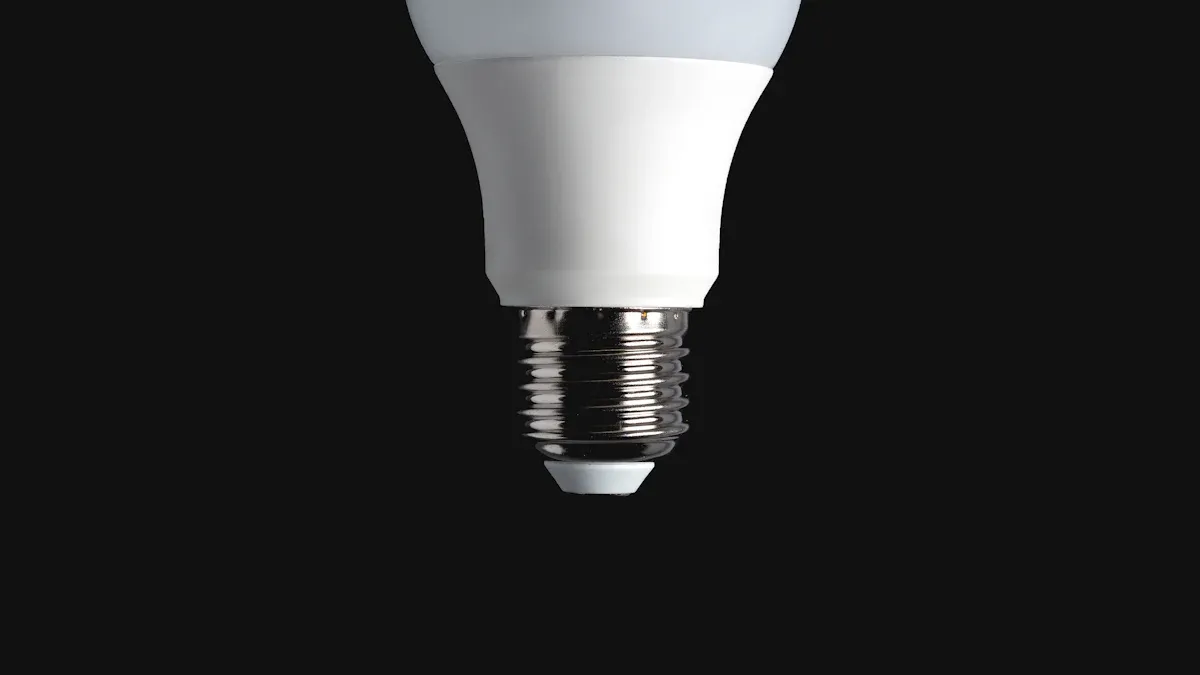
You want lighting that fits every room and makes your Home feel just right. To choose the perfect LED lamp, match the brightness (lumens), color temperature, and bulb type to each space. Think about setting the mood—warm light works best for bedrooms and living rooms, while cool light helps in kitchens and bathrooms. Nearly half of U.S. homes now use LED lighting, but many people still miss the mark by picking the wrong color temperature or ignoring brightness. Avoid these mistakes and focus on setting the mood for comfort and style. Check the lumens, not just watts, and always pick the right Product for your needs. For more info, visit our About Us page.
Key Takeaways
Look at lumens, not watts. Lumens show how bright a bulb is. This helps you pick the right light for each room.
Match color temperature to what the room is used for. Use warm light (2700K-3000K) in places where you relax. Use cool light (4000K-5000K) in rooms where you work.
Think about the bulb shape and base type. Make sure the bulb fits your lamp or fixture. This stops problems like flickering or dimming.
Pick energy-saving LED bulbs. They help you spend less on electricity. They also last much longer than regular bulbs.
Use layers of lighting. Mix ambient, task, and accent lights. This makes every room feel cozy and useful.
Why Choose LED Lighting?
Energy Efficiency & Savings
You want to save money on your electric bill, right? LED lighting makes that easy. These bulbs use much less energy than old-fashioned incandescent or CFL bulbs. Take a look at this table to see how much you can save:
Bulb Type | Energy Savings Compared to Incandescent | Energy Savings Compared to CFL |
|---|---|---|
LED | 75% less | 20-30% less |
CFL | N/A | N/A |
Switching to energy-efficient led bulbs means you use less power for the same amount of light. That’s great for your wallet and for the planet. You’ll notice the difference in your energy use every month. The right led lighting can help you cut costs without giving up brightness or comfort.
Longevity & Durability
You probably don’t want to change bulbs all the time. LED lighting lasts much longer than traditional options. Check out these numbers:
Lighting Type | Average Lifespan (Hours) |
|---|---|
Incandescent Bulbs | 750 - 2,000 |
LED Bulbs | 20,000 - 60,000 |
With led bulbs, you can go years without replacing them. That means less hassle and fewer trips to the store. Plus, these bulbs are tough. They handle bumps and shakes better than glass bulbs, so they’re perfect for busy homes.
Environmental Impact
LED lighting is a smart choice for the environment. Here’s why:
Decreased carbon emission: LEDs use less energy, so power plants create less pollution.
Low levels of waste: You throw away fewer bulbs because they last longer.
No toxic materials: LEDs don’t have mercury, unlike some other bulbs, so they’re safer for you and the earth.
When you pick the right led lighting, you help protect the planet. You get efficiency, savings, and a cleaner home—all with one simple switch.
Key Factors for the Best Light Bulbs
When you want to pick the best light bulbs for your home, you need to look at a few important things. You can’t just grab any bulb off the shelf. You want to match the light a room needs with the right features. Let’s break down what matters most.
Brightness (Lumens) Guide
Forget about watts. You should focus on lumens when you want to know how bright a bulb will be. Lumens measure the actual light output. The higher the lumen number, the brighter the bulb. You need more lumens for rooms where you work or cook. You want fewer lumens for places where you relax.
Lumens show you the real brightness, not just how much energy the bulb uses.
The light a room needs depends on what you do there. A kitchen or office needs more lumens than a bedroom.
Brightness can feel different in each space. Dark walls or lots of sunlight change how you see the light.
Two bulbs with the same lumen rating might look different because of the room’s color or size.
Tip: Always check the lumen rating on the package. Don’t rely on watts. LED bulbs use less energy but can give you more light.
Color Temperature (Kelvin) Tips
Color temperature tells you how warm or cool the light looks. You measure it in Kelvin. Lower Kelvin numbers mean warmer, softer light. Higher numbers give you cooler, brighter light. You want to match the color temperature to the room’s mood and function.
Here’s a quick guide to help you choose:
Room Function | Recommended Color Temperature (Kelvin) |
|---|---|
Ambient Lighting | 2700K - 3000K |
Bathroom Lighting | 3400K - 4000K |
Study/Home Office | 3000K - 4000K |
Task Lighting | 3000K - 5000K |
Accent Lighting | 2700K (warmer) or 4000K (cooler) |
Decorative Lighting | Varies, often warmer for ambiance |
You want warm light for bedrooms and living rooms. You need cooler light for kitchens, bathrooms, and workspaces. The right color temperature helps set the mood and makes each space feel comfortable.
Bulb Shape & Base Types
You need to make sure your bulb fits your fixture. Bulbs come in many shapes and base sizes. Each type works best in different places.
Common bulb shapes:
A: Standard household
C: Candle
R: Reflector
MR: Multifaceted reflector
PAR: Parabolic aluminized reflector
G: Globe
T: Tubular
Common base sizes:
Standard-medium screw base: E26 or E27
Candelabra screw base: E12
Intermediate: E17
Bi-pin: G4 or GU24
Twist-and-lock: GU10
You want to check your fixture before you buy a new bulb. The best light bulbs fit snugly and work safely.
Fixture Compatibility
You need to make sure your led bulb matches your fixture. If you don’t check, you might get flickering or dimming. Some fixtures need special dimmable bulbs or drivers. You want to look at the base type and read the specs before you buy.
Match the bulb base to your fixture.
Check the package for compatibility notes.
Make sure your fixture supports led bulbs.
Some fixtures need dimmable bulbs for best results.
Checking compatibility helps your lighting last longer and saves energy.
Note: If you’re not sure, bring your old bulb to the store or snap a photo of your fixture. This helps you find the right fit and avoid mistakes.
When you look at lumens, color temperature, bulb shape, and fixture compatibility, you make sure every room gets the light a room needs. You save energy, get the right mood, and enjoy your lighting every day.
Living Room Perfect LED Lamp Choices
Brightness & Color Temperature
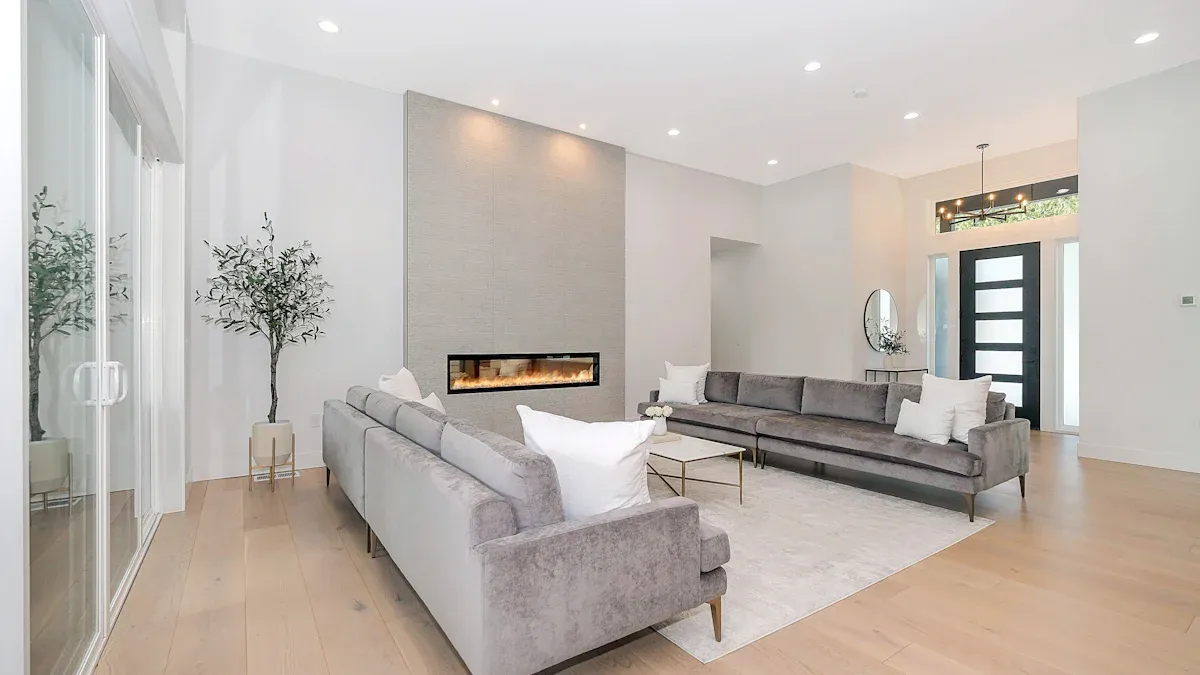
You want your living room to feel cozy and welcoming. The right lighting makes all the difference. For the best light bulbs, look for a color temperature between 2400K and 3000K. This range creates a warm glow that helps you relax after a long day. You can enjoy movie nights, family gatherings, or quiet reading time with this kind of light. The brightness should match your activities. If you like to read or play games, choose bulbs with enough lumens to keep things clear but not harsh. A warm color temperature gives your space a cozy vibe and supports comfort for everyone.
Tip: Try mixing different brightness levels to find what feels most cozy for you.
Ambiance & Layered Lighting
You can create a cozy ambiance by using layered lighting. This means you combine different types of light in your living room. Here’s how you can do it:
Ambient lighting gives your room overall brightness. It sets the foundation for everything else.
Task lighting focuses on spots where you need extra light, like a reading chair or a puzzle table.
Accent lighting adds drama and highlights artwork or cool features in your space. It makes your room more interesting.
Layered lighting lets you control the mood. You can switch between cozy evenings and lively gatherings with just a few changes.
Dimmable LED Options
Dimmable led bulbs help you set the perfect mood in your living room. You can lower the light for a cozy movie night or brighten things up for a party. These bulbs use less energy when dimmed, so you save money on your electric bill. You get instant control over brightness, which means you can change the vibe without swapping bulbs. Dimmable led bulbs also work with smart home systems, letting you adjust your lighting with your phone or voice. You can create a cozy space for relaxing or a bright area for activities. Dimmable options make your living room flexible and fun.
Note: Dimmable bulbs help you enjoy a cozy atmosphere while keeping energy costs low.
Kitchen LED Light Bulb Selection
Task vs. Ambient Lighting
You spend a lot of time in your kitchen, so you need the right lighting for every activity. Think about how you use your space. You want bright task lighting over your counters and stove. This helps you chop, cook, and clean safely. Ambient lighting fills the whole room with a soft glow. It makes your kitchen feel open and welcoming.
Task lighting in your kitchen should be much brighter than ambient lighting.
You can use under-cabinet led light bulb strips for focused light on your work areas.
Overhead fixtures with the right led light bulb give you even, comfortable ambient lighting.
Tip: Layer your kitchen lighting. Use both task and ambient lights for the best results.
Recommended Lumens & Kelvin
Getting the right brightness and color temperature makes a big difference. You want your kitchen to be safe and easy to work in. Here’s what you need to know:
For ambient lighting, aim for about 100 lumens per square meter.
For task lighting, you may need up to 300 lumens per square meter.
A well-lit kitchen often needs between 300 to 500 lumens per square meter.
When you pick a led light bulb, check the color temperature. Cool white lighting works best in kitchens. It helps you see colors clearly and keeps you alert while you cook. Look for bulbs with a color temperature between 3500K and 5000K. This range gives you a bright, clean look that is perfect for food prep.
Best Bulb Types for Kitchens
Not all bulbs work the same in your kitchen. Some led light bulb types fit better in certain fixtures. Here are some top choices:
Use led light bulb strips or bars for under-cabinet lighting. These give you bright, focused light right where you need it.
Recessed led light bulb options work well in ceilings. They spread light evenly and don’t take up space.
Choose bulbs with full-range dimming if you want to control the mood.
Feature | Description |
|---|---|
Energy Efficiency | Uses less power than old bulbs. |
Lifespan | Lasts much longer, so you change bulbs less often. |
Heat Emission | Stays cool, even in closed fixtures. |
Color Temperature | Comes in many options for the perfect kitchen lighting. |
Beam Angle | Gives you focused or wide light, great for any kitchen setup. |
A good led light bulb for your kitchen gives you high output, low heat, and the right color temperature. You get a bright, safe, and inviting space for cooking and gathering.
Bedroom Best Light Bulbs
Relaxing Atmosphere Lighting
You want your bedroom to feel like a peaceful retreat. The right lighting helps you unwind and get ready for sleep. Soft and warm light creates a relaxed mood and makes your space feel inviting. Try using layered lighting to add depth and warmth. You can mix different types of bulbs and fixtures for the best effect.
Soft and warm lights help you relax after a long day.
Layered lighting adds warmth and depth to your bedroom.
Ambient lighting removes harsh shadows and creates a serene vibe.
Accent lighting highlights your favorite features and adds style.
Smart lighting solutions let you adjust the mood with a tap or voice command.
Tip: Add a soft white bulb to your bedside lamp for a gentle glow that helps you wind down.
Ideal Brightness & Warmth
The best bedroom lighting uses warm light to help you relax and sleep better. Look for bulbs with a color temperature between 2700K and 3000K. This range gives you a cozy atmosphere and keeps your mind calm at night. Avoid cooler lights, like neutral white, because they can make you feel more alert and disrupt your sleep.
Warm lights with a color temperature of 2700K to 3000K work best for bedrooms.
Soft white light creates a calming space and supports restful sleep.
Limiting blue light at night helps your body get ready for bed.
A table can help you choose the right bulbs:
Lighting Type | Color Temperature (Kelvin) | Best Use |
|---|---|---|
Warm White | 2700K - 3000K | General/Bedside |
Neutral White | 3500K - 4100K | Not recommended |
Cool White | 5000K+ | Avoid at night |
Reading & Accent Bulbs
You might love reading before bed or want to highlight special decor. The right led bulbs make these tasks easy. Warm white led bulbs are perfect for bedside lamps and create a cozy atmosphere. For reading, you can use cool white bulbs if you need brighter light, but keep them focused so they don’t disturb your sleep. Dimmable led bulbs let you adjust the brightness for any activity. Led strip lights add a stylish touch and soft glow around your headboard or shelves.
Warm white led bulbs give you a cozy feel for relaxing.
Cool white bulbs work well for reading or task lighting.
Dimmable bulbs let you set the perfect level for any mood.
Led strip lights add fun accent lighting in creative spots.
Try RGB bulbs if you want to change colors for a playful look.
Note: Personalized lighting settings, like a reading lamp or accent light, make your bedtime routine more enjoyable.
Bathroom LED Lighting Guide
Grooming & Visibility
You want to see yourself clearly in the bathroom mirror. Good light helps you shave, put on makeup, or just get ready for the day. For the best results, pick LED bulbs in the 4000K to 6500K range. This gives you a bright, natural look and avoids yellow tones. If you can, place your mirror near a window to use natural light. If not, choose bulbs that mimic daylight.
The right lighting makes your bathroom safer, saves energy, and helps you look your best—not washed-out or shadowed. Most people get the best results by layering three types of light: ambient, task, and accent.
Here’s how you can boost visibility for grooming:
Use vertical, even task lighting with sconces or LED light bars on both sides of your mirror.
Pick bulbs that show colors accurately so you don’t miss a spot.
Layer your lighting for comfort and style.
Moisture-Resistant Bulbs
Bathrooms get steamy and damp, so you need bulbs that can handle it. Look for LED lights with a damp rating or an IP44 rating or higher. These bulbs work well in humid spaces and last longer. They also lower the risk of short circuits. Many LED fixtures have moisture-resistant features, so you don’t have to worry about splashes or steam.
These lights handle humidity and occasional splashes.
They last longer and keep your bathroom safe.
Moisture-resistant LEDs are reliable in humid conditions.
Placement Tips
Where you put your lights matters. You want to avoid shadows and make sure every corner is bright enough. Try these tips:
Place task lighting on both sides of your mirror for even light.
Use recessed fixtures rated for damp areas in showers or above tubs.
Add accent lighting to highlight shelves or art.
A quick table for placement:
Area | Best Light Type | Placement Tip |
|---|---|---|
Vanity/Mirror | Task | Sconces or bars on both sides |
Shower | Ambient/Task | Recessed, damp-rated in ceiling |
Accent Areas | Accent | LED strips under shelves or cabinets |
Tip: Layer your lighting to make your bathroom both useful and relaxing. You’ll enjoy better visibility and a stylish space.
Home Office LED Solutions
Focus & Eye Comfort
You want your home office to help you stay sharp and comfortable. Good light can make a big difference in how you feel during long work hours. Try these steps to boost your focus and protect your eyes:
Place your desk near a window to use soft daylight.
Switch out harsh overhead bulbs for LED lighting to cut down on glare.
Add an adjustable desk lamp for close-up tasks.
Move your screen so it does not catch direct light and adjust its brightness.
Pick lights in the 4000K to 5000K range. This color mimics daylight and keeps you alert.
Give yourself control over your lighting. Adjust it to fit your needs.
Remember the 20-20-20 rule: every 20 minutes, look at something 20 feet away for 20 seconds.
Tip: The right light helps you avoid headaches and tired eyes. You will feel better and get more done.
Desk & Overhead Lighting
You need more than one type of light in your office. Natural light is great in the morning, but you also need ambient and overhead lighting for cloudy days or late work. Use a desk lamp for focused tasks and overhead lights to fill the room. This mix lets you switch between jobs and keeps your workspace bright all day. When you balance these sources, you create a space that feels open and helps you stay productive.
Adjustable Brightness
Adjustable brightness gives you control over your workspace. You can dim the light for reading or turn it up for detailed work. This flexibility helps you avoid eye strain and makes your office feel just right. Cool light, like daylight, keeps you focused and alert. Warm light can help you relax when you need a break.
Benefit | Description |
|---|---|
Customization | Change the light for each task to boost focus and comfort. |
Atmosphere Creation | Set the mood for work or downtime. |
Eye Strain Reduction | Lower glare and shadows for better visual comfort. |
Note: Adjustable lighting lets you create the perfect environment for any task. You will notice less eye strain and more energy throughout your day.
Outdoor LED Light Bulb Picks
Weatherproof & Durable
You need outdoor bulbs that can handle rain, dust, and hot or cold weather. When you buy outdoor lighting, check for bulbs with high IP ratings. These ratings tell you how well a bulb keeps out water and dust. IP65 or higher is best for outside. You also want bulbs that last a long time, so you don’t have to change them often. Waterproofing keeps the inside safe and helps your light work during storms.
Feature | Description |
|---|---|
Weatherproof Features | Needed for bulbs to last in tough weather; pick bulbs with high IP ratings. |
Longevity | Lasts longer than old bulbs, so you replace them less. |
Weather Resistance | Made to handle rain, dust, and hot or cold weather, so they work well outside. |
IP Ratings | Shows how well bulbs keep out water and dust; IP65 or higher is best for outdoors. |
Waterproofing | Stops electrical problems and helps bulbs last longer by keeping the inside parts dry. |
Security & Accent Lighting
Outdoor lights do more than just light up your yard. They help keep your home safe and make your garden look nice at night. You can use lights to show off walkways, trees, or flowers. This makes your yard safer and prettier. Bright outdoor bulbs scare away people who should not be there and help you see at night. Accent lighting lets you show off your favorite plants or decorations.
Benefit | Description |
|---|---|
Increased Visibility | Makes outdoor spaces safer by lighting them up and keeping away people who should not be there. |
Aesthetic Appeal | Makes your garden look great at night and helps your house look better from the street. |
Safety in Outdoor Spaces | Lights up walkways and features, so you don’t trip at night. |
Nighttime Visibility | Helps you see better at night, making your home safer. |
Curb Appeal | Makes your house look nice to visitors and people passing by. |
Extended Outdoor Use | Lets you use your yard at night for fun or relaxing. |
Tip: Put your outdoor bulbs along paths and near doors for the best mix of safety and style.
Energy Efficiency Outdoors
You can save money and help the earth by using LED bulbs outside. These bulbs use about 75% less energy than old bulbs. A regular incandescent bulb uses 60 watts, but an LED gives the same light using only 8-12 watts. If you switch ten old bulbs to LEDs, you could save $100 or more each year. That means you get bright outdoor light without wasting power.
LED bulbs use about 75% less energy than old bulbs.
Incandescent bulbs use about 60 watts, but LEDs give the same light at only 8-12 watts.
If you change ten old bulbs to LEDs, you can save about $100 or more every year.
Note: Smart outdoor lighting lets you enjoy your yard longer and keeps your energy bills low.
Advanced LED Features
Dimmable & Smart Bulbs
Do you want to control your home lights easily? Dimmable and smart bulbs help you do that. You can make the light brighter or dimmer without a special switch. Some bulbs let you pick different colors for your mood. Smart bulbs connect to your phone, so you can turn them on or off from anywhere. These features help you save energy and set the right mood for any time.
Here’s a simple look at what smart and dimmable bulbs can do:
Advantage | Description |
|---|---|
Energy Efficiency | Smart bulbs use less power than old bulbs, so you save money. |
Remote Control | You can control your lights from anywhere with your phone. |
Dimming Capability | Change how bright your lights are for comfort and style. |
Mood Enhancement | Pick colors to match your mood for games, movies, or relaxing. |
Sleep Improvement | Use different colors to help you sleep better at night. |
Automation | Set your lights to turn on or off by themselves for safety and ease. |
Tip: Try smart bulbs in your bedroom or living room. You can change the mood and sleep better with just a tap.
App & Voice Controls
You can control your led lights with your voice or your phone. Many smart bulbs work with apps like WiZ or with smart helpers like Amazon Alexa and Google Home. You don’t have to get up to change the light. Set timers or schedules to make your lights turn on or off when you want.
Feature | Description |
|---|---|
WiFi Smart Control | Change your lights from anywhere with an app. |
Voice Control | Use Alexa or Google Home to talk to your lights. |
Timer and Schedule | Set your lights to turn on or off at certain times. |
Control with WiZ app | Use your phone to manage Philips Smart LED bulbs from anywhere. |
Hands-free help | Pair with smart helpers for easy voice control. |
Smart Bulb Voice Control | Connect right to Google Home and Alexa—no extra device needed. |
Note: Using your voice or an app makes your lights smarter and your life simpler.
Maximizing Energy Savings
Smart led bulbs help you use less energy every day. You can set timers so lights turn off when you leave. Dimming the lights saves even more power. Automation means you won’t forget to turn off the bulbs. All these things help you save money on your electric bill. You get bright, comfy light and keep your home running well.
Set timers so lights turn off by themselves.
Dim your lights to use less energy.
Control bulbs from far away so you don’t waste power.
Enjoy a smart home that helps you save money.
Callout: Smart led lighting gives you control, comfort, and savings all together.
Quick Reference Checklist for Perfect LED Lamp
Room-by-Room Recommendations
You want to make sure you pick the perfect led lamp for every room. Here’s a handy table to help you choose the right light for each space in your home. Check the lumens, color temperature, and bulb type before you buy. This way, you get the best lighting for every room and every activity.
Room | Lumens (per fixture) | Color Temperature (Kelvin) | Bulb Type | Features |
|---|---|---|---|---|
Living Room | 800-1600 | 2700K-3000K | A19, BR30 | Dimmable, warm light |
Kitchen | 1000-2000 | 3500K-5000K | BR30, PAR20 | Bright, cool, task |
Bedroom | 400-800 | 2700K-3000K | A19, E26 | Soft, warm, dimmable |
Bathroom | 800-1600 | 4000K-5000K | G25, A19 | Moisture-resistant |
Home Office | 800-1600 | 4000K-5000K | A19, T8 | Adjustable, cool light |
Outdoor | 1000+ | 3000K-5000K | PAR38, BR30 | Weatherproof, durable |
Tip: Always check the package for lumens and color temperature. The perfect led lamp makes each room feel just right.
Common Mistakes to Avoid
You want your lighting to work well and look great. Watch out for these common mistakes when picking bulbs for every room:
Using the wrong color temperature. Warm light works best for relaxing spaces. Cool light helps in work areas.
Ignoring lumens. Don’t just look at watts. Lumens show you how bright the light will be.
Forgetting fixture compatibility. Make sure your bulbs fit your lamp or fixture.
Skipping features. Dimmable or smart bulbs give you more control.
Not choosing moisture-resistant bulbs for bathrooms or outdoor spaces.
Remember: The perfect led lamp fits your needs, matches your style, and gives you the right light for every room.
You can make every room feel just right when you match the brightness and color temperature of your light to each space. LED lighting gives you comfort, saves energy, and sets the mood you want. Use the quick checklist to pick the best light for your home. Try new bulbs and see how your rooms change. Enjoy the fresh look and feel every day!
FAQ
What does "lumens" mean when picking a bulb?
Lumens tell you how bright a bulb is. More lumens mean more light. You should check lumens instead of watts.
Tip: For a cozy bedroom, pick bulbs with lower lumens.
Can I use LED bulbs in any lamp?
You can use LED bulbs in most lamps. Just check the bulb base and shape. Make sure it fits your lamp socket.
Standard bases are E26 or E27 for most home lamps.
Why do some LED bulbs flicker?
LED bulbs may flicker if the lamp or dimmer switch is not compatible. You should use bulbs marked "dimmable" with dimmer switches.
⚡ Flickering often means you need a different bulb or switch.
How do I choose the right color temperature?
Pick warm light (2700K-3000K) for relaxing spaces. Choose cool light (4000K-5000K) for kitchens or offices.
Room | Color Temperature |
|---|---|
Bedroom | 2700K-3000K |
Kitchen | 4000K-5000K |
See Also
Finding Ideal LED Bulbs for Various Light Fixture Types
Tips for Picking the Best LED Replacement Lights for Any Space
Selecting Suitable LED Lighting Options for Your Outdoor Areas
Exploring GE LED Bulbs: Advantages, Features, and Buying Advice
Choosing the Best LED Street Lighting for Your Community in 2025