Everything You Need to Know About Recessed Lighting in 2025


You see recessed lighting in many homes today. This modern lighting solution fits into the ceiling, giving your space a clean look. In 2025, recessed lighting offers more than style. New models give you better light quality, with options to change from warm white to natural white. You can control these lights with your voice or phone. Modern designs also use less energy, which helps you save money. If you want your home to look bright and fresh, recessed lighting is a smart choice. Visit the About Us or Product page to learn more.
Key Takeaways
Recessed lighting makes your home look nice and saves space. It goes into the ceiling, so rooms look neat and modern.
LED recessed lights use less energy and save money. They last a long time and let you change brightness and color.
Think about the housing and bulb type before you buy recessed lighting. New construction housing is for new homes. Remodel housing is for ceilings you already have.
Plan where you put the lights to stop shadows. This helps the room have even light. Use ambient, task, and accent lights together for the best look.
Safety is very important when you install lights. Always turn off the power and check the wires. Get a professional if you do not know how to do it.
Benefits and Drawbacks of Recessed Lighting
Advantages
Recessed lighting adds style and usefulness to your home. Many people like it because it saves space. It also makes rooms look modern. You can put recessed lighting in almost any room. This shows how flexible it is. Here are some main benefits:
Energy efficiency helps you pay less for electricity.
Versatility means you can use these lights in many places.
Space-saving design keeps your ceiling neat and tidy.
Recessed lighting can make your lighting plan better. It works for task lighting, accent lighting, and general lighting. You can change the brightness and color temperature. This lets you match the light to your needs. This flexibility helps each room work better.
Tip: LED recessed lighting uses much less energy than old bulbs. Look at the table below to see how much money you can save every year for each fixture.
Lighting Type | Wattage Used | Annual Savings per Fixture |
|---|---|---|
LED Recessed Light | 15 watts | $8-15 |
Halogen Recessed Light | 75 watts | N/A |
Incandescent Recessed Light | 100 watts | N/A |
Drawbacks
Recessed lighting has some downsides you should know about. Installing it can be messy and loud. You might need to cut holes in your ceiling. This can interrupt your daily life. Sometimes the light only goes in one direction. This can make shadows and lower how well the light works.
Drawback | Description |
|---|---|
Unidirectional | The light goes in one direction. This can make more shadows and not light up everything. |
Messy Installation | Cutting holes is noisy and messy. It can bother your daily routine. |
Expense | Recessed lights cost more than regular lights. Prices are lower now than before. |
Maintenance | Changing bulbs can be hard. You might need special tools or help from a pro. This can affect how well your lights work. |
Water-retention | Bad sealing can let water in and cause damage. Careful installation helps your lights last longer. |
Think about safety and taking care of your lights. Always check safety rules before you put in new bulbs. Do not use bulbs with wattage higher than the fixture allows. Look at your lights for signs of overheating, like color changes or burning smells. If you have insulation in your ceiling, use IC-rated fixtures to stop fire risks. These steps help keep your lighting safe and working well.
Types of Recessed Lighting
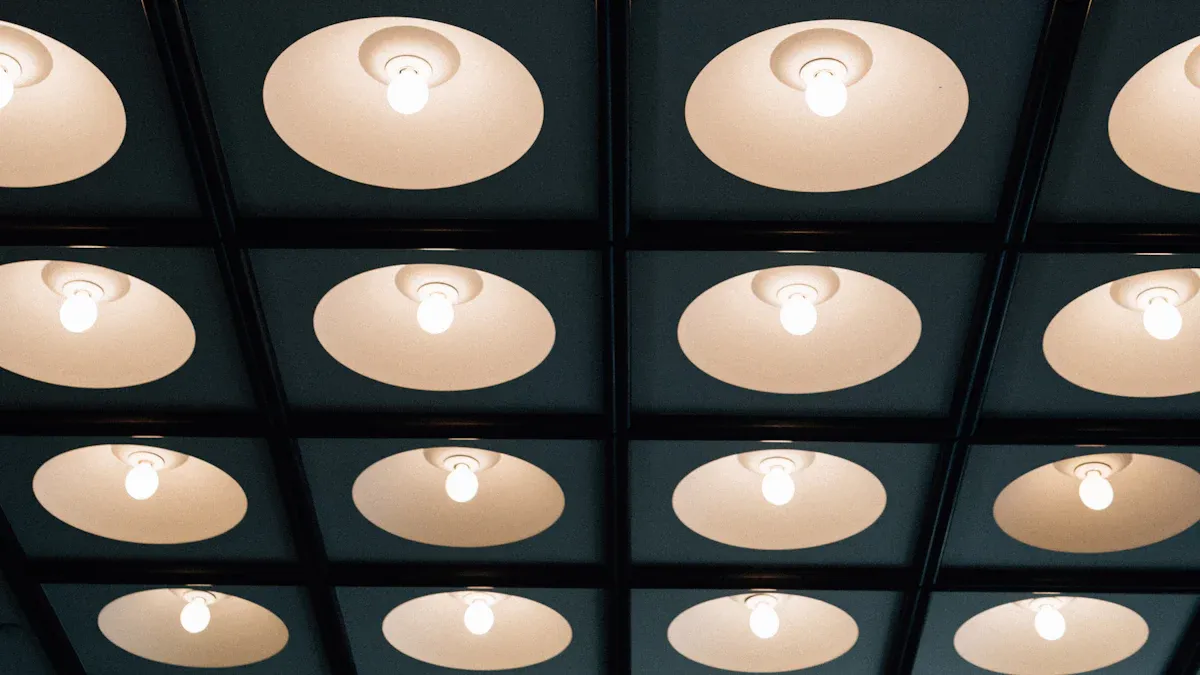
When you choose recessed lighting, you need to know the main types. Each type fits different rooms and needs. The right choice helps you get the best light and style for your home.
Housing Types
You will find two main housing types for recessed can lighting in 2025. The housing is the part that holds the fixture in your ceiling. Your project will decide which one you need.
Type of Housing | Description | Best Application |
|---|---|---|
New Construction Housing | Needs access to the whole ceiling cavity for installation. | Best for new construction projects. |
Remodel Housing | Fits through pre-existing holes, no need to access studs or joists. | Great for remodeling existing rooms. |
If you build a new home or add a room, new construction housing works best. For updates to an old ceiling, remodel housing lets you add fixtures without major work. Canless recessed lighting is also popular now. This type does not need a big can or housing. It fits in tight spaces and works well for modern homes.
Bulb Types
The type of bulb you pick changes how your recessed can lighting works. Each bulb type has a different lifespan and energy use.
Bulb Type | Lifespan (approx.) | Characteristics |
|---|---|---|
LED | 15,000 - 50,000 hrs | Energy-efficient, long-lasting, dimmable, smart options |
Halogen | 2,000 - 4,000 hrs | Brighter than incandescent, warm light, shorter life |
CFL | 7,000 - 15,000 hrs | Energy-saving, longer than halogen, slow to warm up |
Incandescent | 1,000 hrs | Warm glow, cheap, least efficient, shortest life |
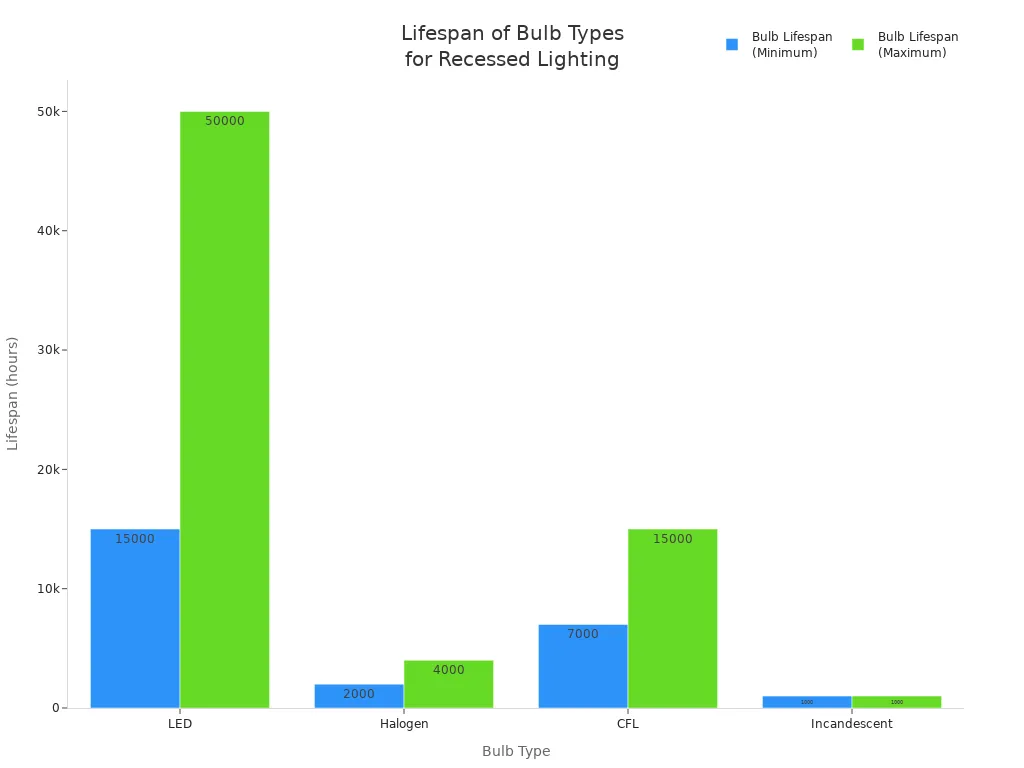
LED bulbs work best for most homes. They last longer and save energy. You can also find smart LED bulbs that let you change color and brightness with your phone. Halogen and CFL bulbs are less common now. Incandescent bulbs are the least efficient and need more changes.
Tip: Use LED bulbs in your fixtures to save money and reduce how often you change light bulbs.
Trim Styles
Trim is the visible part of recessed can lighting. It changes how the light looks and feels in your room. You can pick from many trim styles to match your needs.
Trim Style | Design Effects | Applications |
|---|---|---|
Baffle Trim | Soft, diffused light, less glare, warm ambiance | Living rooms, bedrooms, dining, hallways, kitchens |
Reflector Trim | Bright, focused light, directs light downward | Kitchens, workspaces, retail areas |
Eyeball Trim | Adjustable direction, highlights features | Galleries, living rooms, accent lighting |
Gimbal Trim | Adjustable, modern look, flexible lighting | Any room needing dynamic lighting |
Baffle trims help you create a cozy space. Reflector trims work well for kitchens or work areas. Eyeball and gimbal trims let you point the light where you want. These trims suit modern homes and give you more control.
Sizes
The size of your recessed can lighting affects how much light you get. You can pick from several sizes. Each size fits a different room or purpose.
Room Type | Recommended Size | Impact on Light Distribution |
|---|---|---|
Living Rooms | 4 to 5 inches | Soft, ambient light. Large rooms may need 6-inch fixtures. |
Kitchens | 6 inches | Bright, focused light for tasks. Good for counters and stoves. |
Bathrooms | 4 to 5 inches | Bright enough for tasks, not too harsh. Good above mirrors. |
Bedrooms | 4 inches | Gentle light for relaxing. Good over beds. |
Hallways | 4 inches | Even light for narrow spaces. |
Size | Application | Benefits |
|---|---|---|
4 inches | Small spaces, hallways, closets | Subtle, accent lighting |
5 inches | Living rooms, kitchens | Broader light, higher wattage bulbs |
6 inches | Kitchens, task lighting | Bright, elegant, covers large areas |
Note: Use 4-inch fixtures for accent lighting or small rooms. Choose 6-inch fixtures for kitchens or large spaces.
Color Temperature
Color temperature changes the mood of your room. You can pick from warm to cool light. The right color temperature makes your space feel just right.
Color Temperature | Kelvin Range | Ambiance Effect |
|---|---|---|
Warm White | 2700K – 3000K | Cozy, inviting, like standard recessed lighting |
Soft White | 3000K – 4000K | Bright, warm, good for kitchens and offices |
Bright White/Cool White | 4100K – 5000K | Crisp, clear, best for workspaces |
Daylight | 5000K – 6500K | Very cool, mimics daylight, great for large kitchens |
For living rooms, use warm white for a cozy feel. Kitchens and bathrooms work better with soft white or cool white. Daylight bulbs suit large, modern kitchens or work areas.
2025 Trends
Recessed lighting in 2025 brings new features and styles. You will see more smart and energy-saving options. Modern fixtures use less power and last longer. You can control your lights with your phone or voice.
Trend Category | Description |
|---|---|
Energy Efficiency and Sustainability | LED technology and eco-friendly materials lower your energy use. |
Smart Technology Integration | IoT and AI let you automate and control lighting easily. |
Innovative Designs | Custom shapes and colors let you show your style. |
Breakthroughs in Lighting Technology | Tunable white LEDs and new lenses improve light quality and mood. |
Canless recessed lighting is a top trend. It fits in tight spaces and gives a sleek, modern look. Many fixtures now offer tunable white light. You can change the color temperature for any mood or task.
Tip: Try smart recessed can lighting for easy control and better energy savings.
How Types Suit Different Rooms
You can use different types of recessed lights for each room:
Kitchen: Use LED fixtures in the 3000K–4000K range. Focus on counters and islands for task lighting.
Living Room: Pick LED fixtures in the 2700K–3000K range. Spread them out for even, cozy light.
Bathroom: Choose cooler bulbs (3500K–4000K) for grooming. Dimmable fixtures help set the right mood.
Recessed can lighting gives you many choices. You can match the fixture, trim, and bulb to your room and style. Modern homes use canless recessed lighting for a clean look. Standard recessed lighting still works well for many spaces. Always plan your layout and pick the right types of recessed lighting for the best results.
Choosing Recessed Lighting
When you plan for recessed lighting, you want to make smart choices. Good planning helps you get the right brightness, style, and energy savings. You should focus on six main things: trim, bulb, temperature, wiring, layout, and placement. Drawing your room and taking measurements will help you see what works best.
Assessing Room and Purpose
Start by looking at your installation area. Each room has its own needs. You want to match the lighting to the room’s purpose. For example, kitchens need bright task lighting, while bedrooms need softer light for relaxing.
Check the size and shape of your room.
Think about what you do in each space. Do you read, cook, or relax there?
Pick lights that fit your space and ceiling type.
Use insulation-contact (IC) rated fixtures if you have insulation near the ceiling.
Choose LED kits for energy savings and long life.
Decide if you want baffle trim for soft light or eyeball trim to highlight art or features.
You should also look at your furniture and room design. Make sure the lighting will not create shadows or dark spots. Try to light the whole room evenly.
Tip: Always measure your ceiling height and draw your room before you buy fixtures. This helps you avoid mistakes during installation.
Layout and Placement
A good layout gives you even brightness and makes your home feel modern. You want to layer your lighting for the best effect. This means using different types of lights together.
Use recessed lighting for general or ambient light.
Add task lighting over counters, desks, or reading spots.
Use accent lighting to show off art, plants, or special features.
Place fixtures at different heights for a balanced look.
In open spaces, mix recessed lights with other fixtures like pendants or chandeliers. This helps every area get the right amount of brightness. Start with a central light, then space other lights evenly around it.
Sizing and Spacing
The size and spacing of your fixtures change how your room looks and feels. You want enough brightness without making the room too bright or too dark.
Ceiling Height | Spacing Between Lights |
|---|---|
8-foot | 4 feet |
10-foot | 5 feet |
For an 8-foot ceiling, space lights about 4 feet apart.
For a 10-foot ceiling, use 5 feet between each light.
In large rooms, use bigger fixtures or more lights for even brightness.
In small rooms, use smaller fixtures and less spacing.
You should always aim for a room with no dark corners or harsh shadows. Even spacing helps you get smooth, comfortable light.
Wiring and Compatibility
Before you start installation, check your wiring and fixture compatibility. This is very important in older homes.
Measure your old fixtures before buying new kits.
Some old housings do not fit modern LED kits.
Retrofitting can lower your electrical load, so check your circuits.
Make sure all kits are UL-listed and follow the National Electrical Code.
Always follow local rules for safe installation.
If you are not sure about wiring, ask a licensed electrician for help. Safe wiring keeps your home safe and your lights working well.
Energy Efficiency
Modern recessed lighting uses less power and saves you money. LED fixtures give you high brightness with low energy use. Over five years, you can save hundreds of dollars by switching to energy-efficient lights.
Lighting Type | Power (W) | 5-Year Savings ($) | Payback Period (years) |
|---|---|---|---|
T8 Fluorescent | 36 | 288 | 4.01 |
10W LED Tube | 10 | N/A | 3.86 |
22W/4-pin LED Tube | 22 | N/A | 4.58 |
8W/2-pin LED | 8 | N/A | 3.48 |
9W LED | 9 | N/A | 4.27 |
Choose LED fixtures for the best energy savings. These lights last longer and give you steady brightness. You also help the planet by using less electricity.
Note: Smart LED recessed lighting lets you control brightness and color temperature with your phone or voice. This gives you more comfort and saves even more energy.
By thinking about trim, bulb, temperature, wiring, layout, and placement, you can create a modern, bright, and energy-efficient home. Careful planning makes your installation easier and your results better.
Recessed Lighting Installation
Tools and Materials
You need the right tools and materials to install recessed lighting. Get everything ready before you begin:
Electrical tester (non-contact voltage detector)
Drill with a hole saw
Screwdriver set
Wire stripper and cutter
Tape measure
Pencil or chalk
Stud finder
Ladder
Drywall saw
Utility knife
Recessed light fixtures (IC-rated for insulated ceilings)
LED bulbs
Electrical cables (14/2 NM cable)
Junction box
Wire nuts
Electrical tape
Safety Tips
Safety is very important when you install lights. Follow these tips to stay safe:
Turn off the power at the breaker before you start.
Use a voltage tester to check the wires.
Wear gloves, safety glasses, and a dust mask.
Follow wiring rules and use good materials.
Do not use damaged or exposed wires.
Keep a flashlight and first-aid kit close by.
Tip: If you are not sure about wiring, ask an electrician for help.
Installing Recessed Lighting
You can use these steps to put in recessed lighting at home:
Plan your layout and mark where the lights will go.
Use a stud finder so you do not hit joists.
Drill holes with a hole saw or cut with a drywall saw.
Turn off the power and check with a voltage tester.
Run cables from the power source to each hole.
Connect wires with wire nuts and electrical tape.
Put the recessed light housings and trims in the ceiling.
Add bulbs and test the lights.
Patch the drywall if you need to.
This guide helps you space your lights evenly and keep things neat. Always check your work before you turn the power back on.
Professional vs DIY
You can pick between hiring a pro or doing it yourself. A pro charges $125 to $300 for each light and works fast. It takes about two and a half hours for each light. Doing it yourself costs about $50 for each light, but takes more time. Pros follow safety rules and finish faster. DIY saves money but needs more time and care. If the job is hard, hire an electrician to avoid mistakes and stay safe.
Note: Use this guide to help you choose the best way for your skills and budget.
Design Considerations
Ambiance and Layering
You can change how a room feels by using different lights. Layered lighting means you use ambient, task, and accent lights together. This gives you even light and makes the room look nice. Mixing these lights helps your space feel useful and welcoming. Where you put recessed lighting changes the mood. You can show off cool parts of the room or make it feel cozy by moving the lights and picking their size. LED bulbs help you save energy and let you change the mood easily.
Use ambient, task, and accent lights for good balance.
Move the lights to show off features or set the mood.
Pick the right size and spot for each light.
Avoiding Over-Installation
Putting in too many lights can be bad for safety and looks. If you add too many recessed lights, it can get too hot, block air, and cause electrical problems. Always follow safe rules when you install lights.
Risk Type | Details |
|---|---|
Heat-Related Concerns | Air can’t move, too much insulation, not enough space |
Safe Installation Requirements | Leave at least 3 inches between lights, make sure air can move, keep away from joists, move insulation back |
Electrical Safety Factors | Use the right wires, make tight connections, don’t use too much power, pick dimmers that work with your lights |
Try to use fewer lights. This keeps your room neat and helps it look nice.
Common Issues and Solutions
You might have some problems with recessed lighting. Knowing how to fix them keeps your lights safe and looking good.
Trim sags: Change springs that are stretched out.
Lights go off: Check if they are too hot or if the bulb uses too much power.
Lights flicker: Make connections tighter or get a new dimmer switch.
Light is uneven: Use the right bulb and move the lights.
Buzzing noise: Make connections tighter or change a bad transformer.
Lights won’t turn on: Check bulbs and make sure all wires are tight.
Check your lights often and fix problems fast to keep your room looking good.
Enhancing Aesthetics
Recessed lighting can make modern rooms look better. You can use these lights for a simple, clean style. Many people pick trimless lights for a fancy finish. Smart tech lets you pick different moods for any time. Energy-saving designs help the planet and make your home look nice.
Aspect | Description |
|---|---|
Clean, Minimalist Design | Recessed lights give a smooth look that fits modern rooms. |
These lights save power and are good for green homes. | |
Smart Technology Integration | You can set up different moods for any event. |
Trimless Options | No trim means a simple, fancy look. |
You can make your room look better by planning your lights and picking simple fixtures. This way, your space will be stylish and comfy.
Recessed lighting can make your home look brighter and newer. Planning helps you get the style and use you want. Check this table for the main features:
Feature | Benefit |
|---|---|
Energy Efficiency | You save money and use less power |
Smart Controls | Control lights with your phone or voice |
Custom Designs | Fit any room style you like |
For the best results, ask a lighting expert for advice or try smart lighting. Good recessed lighting can help your home feel bigger and worth more.
FAQ
How do you choose the right size for recessed lighting?
First, measure your room and ceiling height. Use 4-inch lights in small rooms. Pick 6-inch lights for kitchens or big rooms. Space the lights so there are no dark spots. Always read the manufacturer's instructions for the best results.
Can you install recessed lighting in a bathroom?
Yes, you can put recessed lighting in bathrooms. Use fixtures made for damp or wet places. Choose bulbs with cool color for grooming. Make sure the lights are sealed well to stop water damage.
What is canless recessed lighting?
Canless recessed lighting does not need a regular can. You put these fixtures right into the ceiling. They fit in small spaces and look modern. Many canless lights use LED technology to save energy.
Do smart recessed lights work with voice assistants?
Most smart recessed lights work with voice assistants like Alexa or Google Assistant. You can change the brightness and color with your voice or phone. Check if the lights work with your system before you buy.
How do you avoid shadows with recessed lighting?
Plan your layout before you start. Space the lights evenly on the ceiling. Use adjustable trims to point light where you need it. Add task or accent lights for more brightness. Test the spots before you finish the installation.
See Also
Understanding Recessed Lighting: Styles, Setup, And Design Tips
Enhancing Recessed Ceilings: Effective Lighting For Architectural Beauty
Advantages Of LED Outdoor Lighting: Varieties And Installation Tips
Professional Advice For Designing Effective Flood Lighting
Thorough Overview Of LED Street Lighting Technologies And Benefits