Street Electric Pole Integration: Combining Lighting with Power Distribution Infrastructure

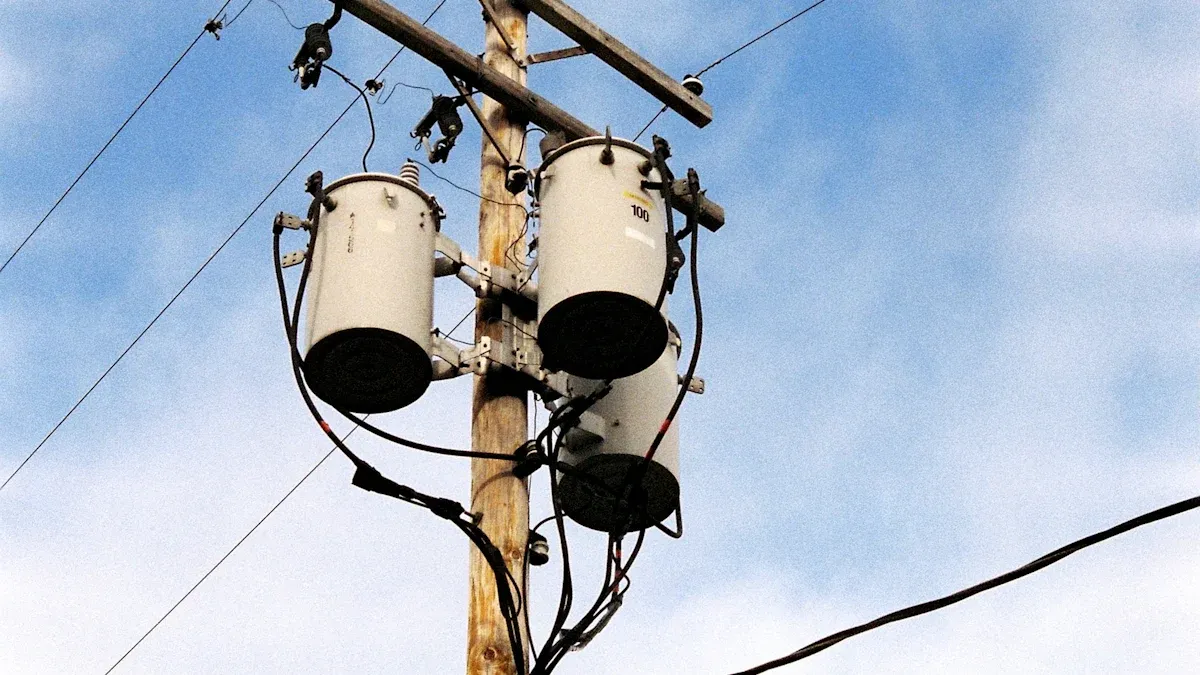
You see street electric pole integration changing how cities work. Lighting now does more than just light up roads. Smart led solar street lights use solar power and live monitoring. This helps lower energy use and makes lighting smarter. Advanced lighting systems help keep people safe. Motion sensors make lights brighter and help stop crime. Lighting and power distribution together help city planning. They also help you save money. The table below shows how lighting technology helps with energy saving and safety for your Home, About Us, Product, and Led Light needs.
Feature/Benefit | Description |
|---|---|
Energy Efficiency | Smart poles use solar power and IoT to lower energy use and waste. |
Cost-Effectiveness | Using renewable energy sources means lower costs over time. |
Enhanced Security | Automated cameras and emergency alerts make cities safer. |
Multifunctional Benefits | Lighting, safety, and communication work together for smarter cities. |
Sustainability | Supports green goals by cutting carbon and using clean energy. |
Smart led solar street lights make public places safer with lights that get brighter when needed.
Lighting integration lets cities watch systems in real time, which saves money and makes things work better.
Key Takeaways
Smart LED solar street lights use solar power and sensors. They help save energy and lower costs.
Better lighting makes public spaces safer. This helps lower crime rates a lot.
Modular designs let cities upgrade street poles easily. Cities can add new technology when they need it.
Smart street poles help with better connectivity and data collection. This helps smart cities grow and improve.
Regular maintenance and planning are very important. They help smart lighting systems work well and last long.
Benefits of Street Electric Pole Integration
Energy Efficiency & Cost Savings
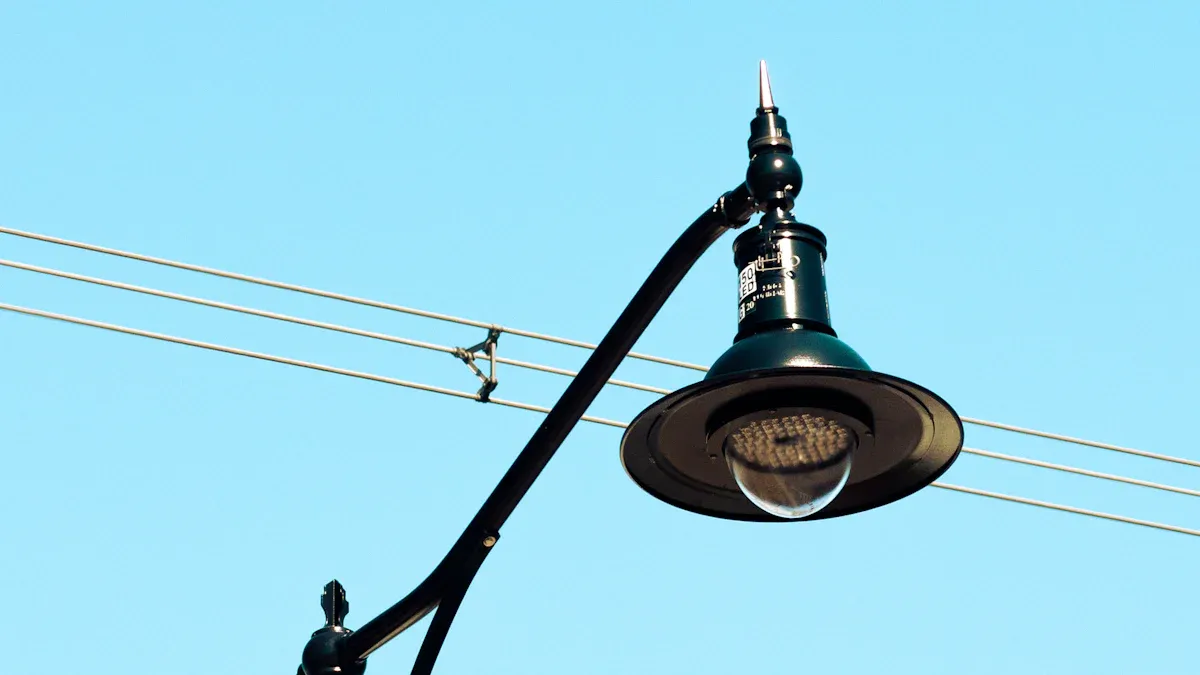
Street electric pole integration helps cities use less energy. Smart led solar street lights use solar power and sensors to save energy. These lights do not need digging or extra wires, so they cost less to put in. After you install them, you do not pay for electricity. Maintenance is cheap because the smart system checks itself and tells you if it needs fixing. Many cities get grants to help pay for these lights, so it is easier to start using them.
Here is a table that shows how old lighting and smart led solar lighting are different:
Aspect | Traditional Lighting | Smart LED Solar Lighting |
|---|---|---|
Energy Costs | High | Eliminated |
Maintenance Expenses | Significant | Minimal |
Initial Investment | Lower | Higher upfront |
Long-term Cost-effectiveness | Low | High |
You can save a lot of money on energy over time. Smart lighting also makes people safer and helps the environment. These systems use less energy, so cities can meet green goals and make less pollution.
Tip: Solar-powered street lights work by themselves. You do not need to dig or lay wires, so they are good for cities with fewer resources.
Safety & Public Space Enhancement
Street electric pole integration makes public places safer and nicer. Smart lighting helps you see better at night, so you can walk or drive safely. Studies show that better lighting lowers crime. For example, a study in the UK showed crime dropped by 21% when new lights were used. In New York City, temporary street lights made nighttime crime go down by 36%.
Study/Source | Findings | Impact on Crime |
|---|---|---|
PSE&G and NPSC Project | Enhanced LED lighting in high-risk areas | Opportunity to assess impact on violent crime |
Xu et al. (2018) | Higher street light density reduces crime victimization | Positive correlation with reduced crime |
Chalfin et al. (2019) | Temporary streetlights in public housing | 36% reduction in nighttime outdoor index crime |
Bright streets help people find their way and make traffic better. Good lighting shows paths and makes neighborhoods more fun at night. It also helps stop accidents and helps people find places like hospitals or schools. Solar light poles also help the environment, so public spaces stay safe and healthy.
Note: Smart street light poles help emergency teams. They let cities send alerts and watch what is happening in real time. These poles can warn people and check the weather, so cities are ready for emergencies.
Connectivity & Data Collection
Smart street electric pole integration gives your city better connections. Smart poles often have 5g micro base stations and wi-fi spots. These things help more people get internet and make smart cities work better. You get faster internet and can do more online.
Smart poles use sensors and cameras to collect data. For example, Midwest Energy & Communications uses cameras to map where things are and plan better. These cameras take pictures all around, so cities can find electric poles fast.
Here is a table that shows how different technologies help smart cities:
Technology Type | Contribution to Smart City Ecosystem |
|---|---|
Smart Street Lighting | Provides illumination and energy efficiency. |
5G Micro Base Stations | Enhances connectivity and supports IoT applications. |
Intelligent Surveillance | Improves security and safety in urban areas. |
Meteorological Sensors | Collects environmental data for better urban planning. |
Wi-Fi Hotspots | Offers internet access to citizens, boosting digital engagement. |
Digital Information Displays | Shares real-time information with the public, enhancing communication. |
Meteorological sensors collect weather data for city planning. Traffic monitors help cities see where cars get stuck. Environment detectors check air quality and other things. Smart street poles with screens show weather, traffic, and emergency news. This helps people know what is happening and act fast.
Callout: Smart street electric pole integration gives cities stronger networks. You get better internet, more data for planning, and safer places. These things help your city work better and smarter.
Light Pole Infrastructure & Smart Technology

Modular Design & Durability
Modular design is changing street light poles. You can add new smart features easily. You do not need to replace the whole pole. You can upgrade lighting, sensors, or charging stations. Cities can grow and change fast with modular systems.
Materials are important for making poles last. You want poles that work in any weather. Here is a table that shows materials and their strengths:
Material | Advantages | Disadvantages |
|---|---|---|
Aluminum | Lightweight, corrosion-resistant, aesthetic flexibility | Less robust, susceptible to dents and scratches |
Steel | Strong, durable, withstands impacts | Requires protective coatings, higher maintenance costs |
Fiberglass | Lightweight, corrosion-resistant, safe in electrical areas | Limited strength compared to steel |
Concrete | Exceptional durability, stability, thermal mass benefits | Heavy, challenging to install |
Modular design gives you more choices. You can make lighting projects bigger or smaller. Maintenance is easier and faster. Adding smart technology is simple. This helps you keep up with new ideas in city planning.
Modular poles let you pick features for your city.
You can add sensors, cameras, or chargers when you need them.
Maintenance is quicker and costs less.
Smart LED Solar Street Lights
Smart led solar street lights have many good points. They use solar panels and batteries to stay on. Even if the power goes out, they still work. You get bright lights and save money on energy.
Feature | Smart LED Solar Street Lights | Traditional Lighting Solutions |
|---|---|---|
Maintenance Needs | Low (cleaning panels, battery replacement) | High (bulbs, ballasts, wiring repairs) |
Lifespan | 100,000+ hours (LEDs), 5-10 years (batteries) | Shorter lifespan (varies by type) |
Environmental Impact | Minimal (recyclable materials, reduced carbon emissions) | Higher (grid dependence, more waste) |
Performance During Outages | Remains illuminated (battery backup) | No illumination during outages |
ROI | Better due to lower O&M expenses | Lower due to higher maintenance costs |
Smart solar lights help cities use clean energy. They do not need fossil fuels. You lower pollution and help the planet. These lights work in all kinds of weather. They keep streets bright and safe.
Solar lamps light up without using grid electricity.
Good panels and batteries keep lights on during blackouts.
You help your city use less fossil fuel.
Smart lights also help control light pollution. They shine light where it is needed. This keeps animals and people safe.
Charging Stations & IoT Features
Street electric pole integration lets you add charging stations. You can charge electric cars and IoT devices. In Florida, cities use concrete poles for EV charging. These poles last a long time and can handle heavy use.
Street light poles with chargers do more than give power. You get smart features like wi-fi, cameras, and sensors. These things help you connect and keep places safe.
You can put chargers on sidewalks or roads using old poles.
Smart poles have 5g and wi-fi for better internet.
Small antennas help mobile networks work better.
Wi-fi spots give people internet at home or outside.
Solar-powered poles keep smart features working if the grid fails.
Adding these features helps cities give better services. You make public places safer and help tourists. Smart poles help cities grow and stay connected.
Tip: Smart street light poles with 5g and wi-fi help build strong networks. You support smart devices, make services better, and attract more visitors to your city.
Implementation Challenges & Solutions
Installation & Maintenance
There are many problems when you put in smart street light poles. You need to plan well before you start. Good planning helps you stop mistakes. Workers must wear safety gear. They should follow safety rules. If you do not follow steps, poles can break. You must check each step as you go.
Make a plan before starting the project.
Wear safety gear and follow all safety rules.
Inspect every pole after you finish installing it.
Smart lighting systems make fixing things easier. You do not spend much on repairs. Smart poles last longer than old ones. The table below shows how fixing smart LED street lights is different from fixing old lights.
Aspect | LED Street Lights | Traditional Lighting |
|---|---|---|
Cost of Maintenance | Lower because they use less energy and last longer | Higher because you change bulbs more often |
Lifespan | 50,000 to 100,000 hours | 10,000 to 20,000 hours |
Frequency of Bulb Replacements | Not often because bulbs last longer | More often because bulbs do not last as long |
Reliability and Durability | Very strong; they can handle bumps | Not as strong; they break more easily |
Smart poles have sensors that tell you when something is wrong. You save time and money because you do not replace bulbs often. Checking your lights often keeps them working well.
Infrastructure Compatibility
Sometimes new smart systems do not fit with old poles. Old poles may need to be changed or fixed. Planning helps you solve these problems. You should look at each place before you upgrade. Cities have trouble adding smart LED systems to old street electric pole integration projects. You need to see if poles can hold new things like 5g and wi-fi.
Smart upgrades need strong network connections. You must check if your system can use smart sensors, solar panels, and chargers. Good planning helps you finish faster and spend less money.
Best Practices for Cities
Cities can use best practices to make smart lighting work well. Use smart technology to watch how much light is used. Change lighting levels when needed. Modular designs let you add things like 5g, wi-fi, and solar panels as your city gets bigger. Always hire licensed electricians for wiring. Regular checks keep street light poles safe and looking good.
Best Practice | Description |
|---|---|
Smart Technology Integration | Use sensors to watch patterns and change lighting. Collect data to help plan. |
Modular Design | Pick poles you can change and upgrade easily. |
Safety in Electrical Connections | Hire licensed electricians and make sure everything is grounded. |
Regular Maintenance | Check poles often and test outlets to keep things safe. |
Good lighting helps keep public places safe.
Street poles can hold cameras and emergency call boxes.
Regular checks make sure your smart system works well.
Cities can work with companies to pay for smart projects. Governments give grants. Companies bring skills. Both share risks and jobs. Rules help cities use energy-saving lights, but hard rules can slow things down. You should work with utility companies and use 3D maps to meet standards.
Tip: Check your lights often and work with utility companies. This helps you stop problems and finish smart street electric pole integration projects on time.
Street electric pole integration helps cities work better. It makes lighting smarter and safer. Lights use less energy and save money. Cities like Nairobi, Lagos, and Los Angeles show good results. Nairobi pays 35% less for bills. Their lights stay on for 8 to 12 hours. Lagos uses 25% less diesel fuel. They cut CO₂ by 12,000 tons each year. Los Angeles saves 63% on energy. Street crime goes down by 10 to 15%.
You can make lights brighter and save money. This also helps the planet. Experts say you should use IoT to control lights from far away. Change lights when you need to in real time. Ask people in your city to help with lighting plans. Check and fix lights often to keep them working.
Pick smart lighting to help your city grow. You will make your city brighter and cleaner for everyone.
FAQ
What is street electric pole integration?
Street electric pole integration puts lights and power on one pole. This helps cities use less energy. It also makes streets safer. You can add smart features to these poles. Cities use them for lights, cameras, sensors, and chargers.
How do smart LED solar street lights save energy?
Smart LED solar street lights get power from the sun. They do not need electricity from wires. Sensors turn lights on only when needed. This saves energy and helps you spend less money.
Can you add charging stations to existing street poles?
You can put charging stations on many street poles. Modular designs let you add chargers for electric cars or devices. This helps people charge vehicles and supports clean energy.
What smart features can you install on light poles?
You can add Wi-Fi hotspots, cameras, motion sensors, and screens. These features help keep people safe and share news. Smart poles help people connect and make cities work better.
See Also
Effective Integration Techniques for Commercial Lighting Systems
Advantages and Maintenance Tips for LED Parking Lot Lights
Guide to Installing Light Pole Posts Efficiently
Best Practices for Safe and Durable Street Light Installation