Street Light Maintenance

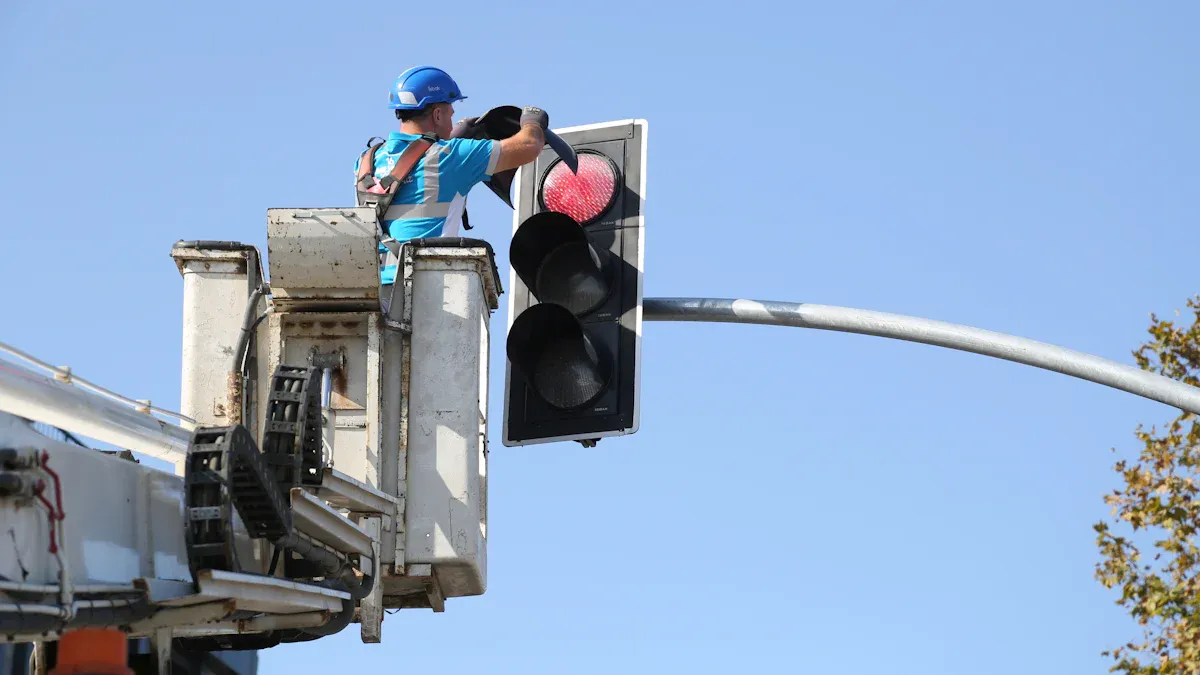
You depend on street light maintenance to keep your city safe and bright at night. Well-maintained lights help you see better, avoid accidents, and feel secure. Cities often work with local power districts under lease agreements to handle this important task. Take a look at how much cities spend each year:
Type of Lighting | Annual Maintenance Cost |
|---|---|
LED systems | $20–$50 per fixture |
Solar streetlights | ~$50 per year |
Traditional systems | $100–$200 per fixture |
Switching to Led Light fixtures can save you money since they last longer and need less work. You can find more details about your local program on city Home, About Us, or Product pages.
Key Takeaways
Regular street light maintenance makes streets safer. It helps people see better at night. It also lowers crime and stops accidents from happening.
Using LED streetlights helps cities save a lot of money. They use less energy and need less fixing. This is good for the city’s budget and the environment.
It is important for the community to help. People can tell the city when lights are broken. This helps the city fix problems fast and keeps everyone safe.
Doing regular checks and cleaning helps streetlights last longer. It also means fewer expensive repairs are needed.
Using technology like IoT systems helps watch streetlights easily. It lets workers fix problems faster and keeps lights working well.
Why Street Light Maintenance Matters
Safety and Visibility
You need street lighting maintenance to keep your area safe. Good lights help you see at night. This helps you avoid danger when walking or driving. Streetlights that work well lower crime and accidents. Here are the main safety risks if cities do not fix streetlights:
Safety Risk | Description |
|---|---|
Increased Crime Rates | Dark streets can cause more crime. Studies show crime drops by 36% with better lighting. |
Vulnerability to Theft and Assaults | Bad lighting makes it easier for thieves and attackers. |
Traffic Accidents | Poor lighting at crossings causes more crashes. Collisions happen more often. |
Legal Liability | Cities can get in trouble if accidents happen in dark places. |
Higher Emergency Response Costs | More accidents mean emergency services cost more. |
Negative Public Perception | Long outages make people upset. They trust city services less. |
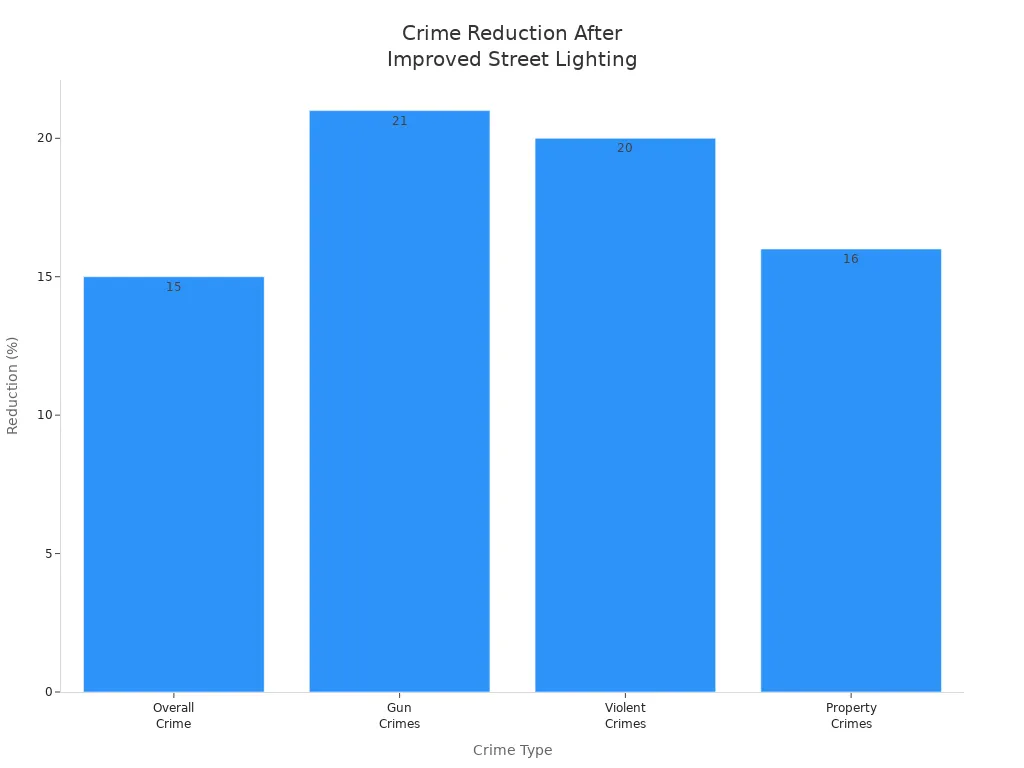
Street lighting maintenance helps lower crime. In Philadelphia, new streetlights made crime drop by 15%. Gun crimes went down by 21%. Violent crimes dropped by 20%. New York City saw a 36% drop in nighttime crime after fixing lights. Here is a chart that shows how crime went down after better street lighting:
Street lighting maintenance also stops accidents. Better lights can cut deadly crashes by half. Fewer people get hurt walking. Nighttime crashes happen less often. These facts show why working streetlights are important for your community.
Energy and Cost Efficiency
You help your city save money and energy by supporting street lighting maintenance. Cities spend less on power and repairs with good lights. LED streetlights use much less energy than old bulbs. They last longer and break less often. Here is how different lights compare:
Lighting Type | Energy Consumption | Energy Savings |
|---|---|---|
Traditional Streetlights | High | N/A |
LED Streetlights | Low | 40-60% more efficient than traditional lighting technologies |
LEDs make less heat, so they waste less energy. Home LEDs use at least 75% less energy than old bulbs. When cities use LEDs, they save energy and money.
Cities save lots of money with good street lighting maintenance. For example:
Example Township saves over $200,000 each year by using less energy and fixing lights less.
Los Angeles saved millions each year by using 63% less energy.
New York City saves about $14 million every year on energy and repairs.
Street lighting maintenance helps cities spend less and protect the environment.
Community Impact
You feel safer in places with good streetlights. Street lighting maintenance makes people happier with city services. People in bright areas worry less about crime. A survey found people think crime happens more in dark places.
Study Location | Year | Crime Reduction | Type of Crime |
|---|---|---|---|
UK | 2015 | 21% | Property crimes (burglary, vehicle theft) |
New York City | 2019 | 36% | Nighttime violent crime |
Routine Activity Theory says better lighting makes people go outside more. When more people are out, crime happens less. Street lighting maintenance helps keep communities safe and happy.
Tip: You can help your city by telling them about broken streetlights. Your help keeps your area safe and bright.
Streetlight maintenance gives many good things. You get safer streets, lower costs, and a better community. That is why street lighting maintenance is very important for every city.
Benefit of Street Lighting Maintenance
Longer Lifespan of Streetlights
You want streetlights to last a long time. Regular street lighting maintenance helps make this happen. Cleaning and checking streetlights stops dirt from building up. This keeps the lights bright. Checking wires helps stop sudden problems. If you follow a plan, you can find small issues early. This stops them from becoming big problems.
LED streetlights can last 50,000 hours. With good care, they can last 100,000 hours.
This means each light can work for 10 to 20 years.
Without regular street lighting maintenance, lights may break early and cost more to replace.
You save money and use fewer resources when lights last longer.
Reliable Performance
You need streetlights to work every night. Street lighting maintenance helps them work well. When you check lights often, you find damage fast. You can fix it before it gets worse. Cleaning and changing bulbs keeps lights bright. Checking wires makes sure everything is safe and works right.
Tip: Cities with good street lighting maintenance have 30% fewer equipment failures. They can also save up to 25% on repairs.
You see fewer outages and feel safer when your city cares for its lights.
Hazard Prevention
Street lighting maintenance helps stop safety problems. Good lights help you avoid accidents in dark places. Fixing broken parts keeps streets safer. You also stop electrical problems that make streets less safe.
Common hazards you can stop include:
Accidents from bad lighting
Safety risks from broken parts
Less visibility from electrical problems
Street lighting maintenance has clear benefits. You get safer roads, fewer repairs, and a city that works better for everyone.
Common Streetlight Issues
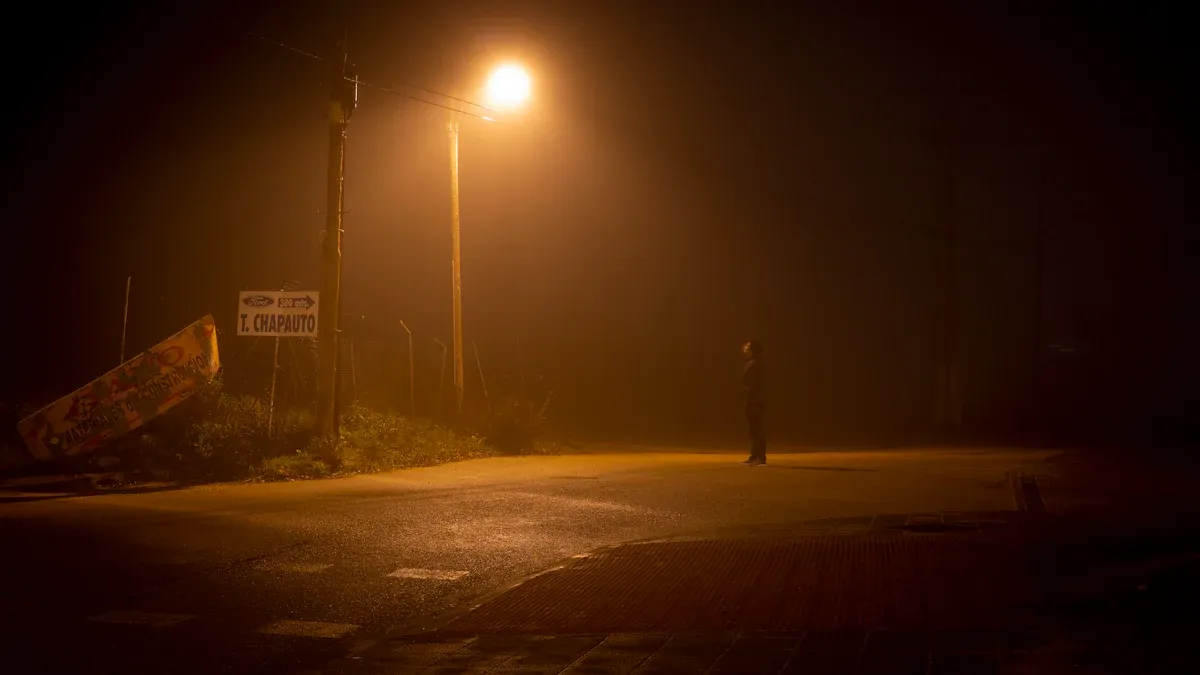
Lamp Failure and Dimming
You may notice that streetlights sometimes get dim or stop working. Lamp failure is one of the most common problems. Old bulbs lose brightness over time. LED streetlights can also dim if the LED chips are poor quality. When lights get dim, you see less at night. This can make roads and sidewalks less safe. Regular checks help spot these problems early.
Electrical Faults
Electrical faults can cause streetlights to flicker, shut down, or not turn on at all. You might see lights that blink or stay off for long periods. Many things can cause these faults:
Issues with LED drivers can make lights flicker or stop working.
Poor quality LED chips can lead to quick light decay.
Weak surge protection can let power spikes damage the system.
Low IP/IK ratings may let water or dust harm the lights.
Overheating and bad thermal management can cause failures.
You help your city by reporting these problems when you see them.
Physical Damage
Streetlights face harsh weather, car accidents, and even vandalism. You might see broken poles, cracked lenses, or bent fixtures. Strong winds and storms can knock down lights. Cars can hit poles and cause damage. Vandalism, like graffiti or broken glass, also affects how well streetlights work. Physical damage can make lights unsafe or stop them from working at all.
Note: Quick repairs keep your streets safe and prevent more costly fixes later.
Emergency Situations
Sometimes, streetlights fail during emergencies like storms or power outages. Smart street lighting networks help cities respond faster. These systems can:
Detect threats quickly.
Share information with city teams during emergencies.
Help coordinate repairs and keep people safe.
If you notice a sudden outage, report it right away. Fast action helps restore lighting and keeps your community safe.
Street Light Maintenance Steps
Inspection Procedures
You help keep your city safe by supporting streetlight inspections. City workers check each part of the streetlight to find problems early. They look at luminaries to see if they have the right certification. Workers check the ballast and wattage to make sure they are correct. They also look at the photo electric controller for good sensitivity and voltage. Workers inspect conduits to see if they are clean and capped. They make sure conduits are in the right spot above the base.
Streetlight poles need extra care. Workers look for rust, dents, and loose parts. They check brackets, arms, and welds for damage. They make sure hand hole covers and base nuts are tight. Sometimes, workers listen for strange sounds or watch for movement in the pole. These signs can mean there is a problem. These steps help find small issues early. This keeps streetlights working longer and stops expensive repairs.
Routine inspections check how well fixtures work. Workers look at electrical connections and the pole’s structure. If a light flickers or dims, it needs quick attention. By checking for wear, rust, or damage, you help keep streetlights bright and safe.
Cleaning and Re-lamping
You help your city shine by supporting cleaning and re-lamping. Clean streetlights give off more light and use less energy. Workers clean LED lenses and housings with 70% isopropyl alcohol or mild dish soap. They do not use pressure washing from the ground because it does not work well. Keeping fixtures clean helps lights stay bright and efficient.
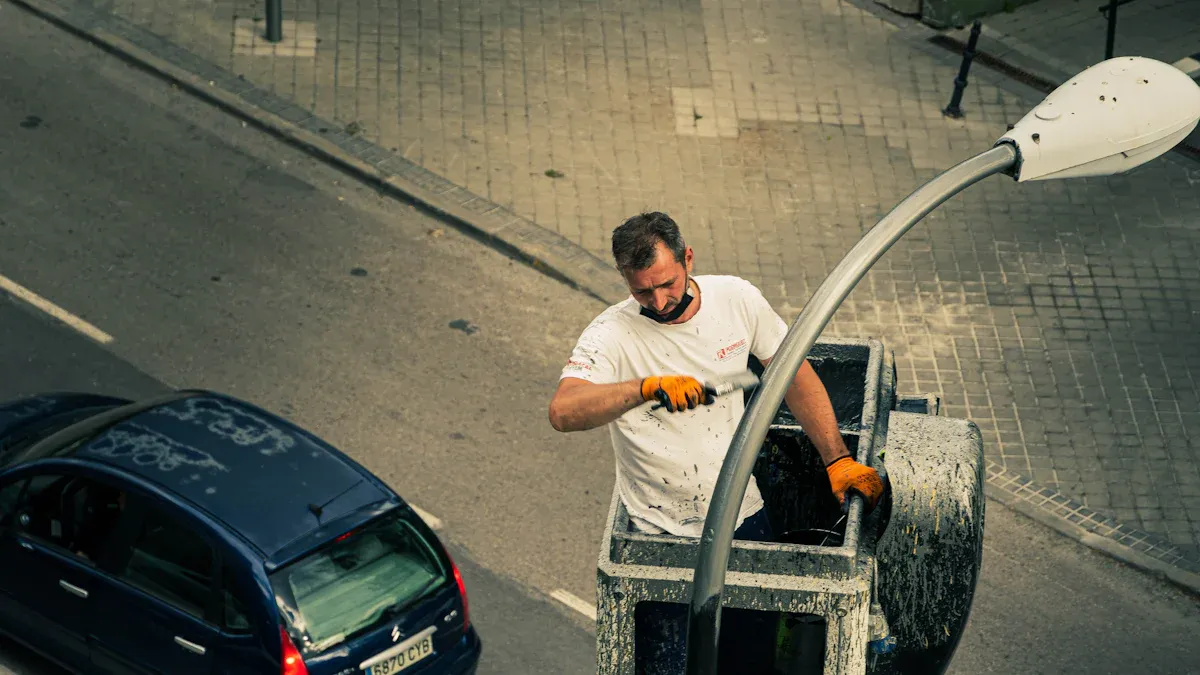
Re-lamping is important for street lighting maintenance. Workers replace high-pressure sodium bulbs every few years. This stops sudden failures. When changing bulbs, workers may close roads or control traffic. This is needed in busy areas. Bucket trucks help workers reach tall lamp posts safely.
Solar streetlights need extra care. Workers clean solar panels and trim trees nearby. This helps panels get enough sunlight. Routine inspections help find problems early. Repairs can happen before lights go out.
Best Practice | Description |
|---|---|
Regular Maintenance | Change HPS bulbs every few years to stop outages. |
Cleaning Methods for LEDs | Use 70% isopropyl alcohol or mild soap for cleaning. |
Keeping Fixtures Clean | Wipe LED lenses and housings often. |
Solar Panel Maintenance | Clean panels and trim trees for more sunlight. |
Use of Bucket Trucks | Use bucket trucks to reach tall lamp posts. |
Traffic Control | Close roads or control traffic for safety during work. |
Repairs and Replacement
You count on quick repairs and replacements to keep streets safe. When a streetlight fails, workers fix it fast. Hazardous defects like exposed wires or fallen poles need fixing in 24 hours. Serious problems, like broken lights in busy places, should be fixed in seven days. Other defects may take up to 28 working days, depending on how urgent they are.
Type of Defect | Response Time |
|---|---|
Hazardous defects | Within 24 hours |
Serious defects | Within 7 days |
Other defects | Within 28 working days |
During repairs, workers check power distribution and replace photocells. They fix circuits and may replace damaged poles or lenses. Fast repairs stop accidents and keep your community safe. By supporting street lighting maintenance, you help lower outages and keep the city running well.
Tip: Quick repairs save money and stop bigger problems later.
Reporting and Response
You help your city by reporting broken or dim streetlights. Most cities make it easy for you to report outages. You can call a hotline, use a city website, or scan a tag on the lamp post. When you report a problem, workers check all the lights in that area to make sure they work.
In some cities, like Chicago, the Department of Transportation manages many streetlights. They respond to reports from residents. If someone else reports the same problem soon, the city marks it as a duplicate. They fix it during the repair process. After repairs, the status changes to "Completed."
In other places, contractors or utility companies fix streetlights. You might wait up to six weeks for some repairs. Reporting problems helps the city track and fix lights faster. Your help with street lighting maintenance keeps your neighborhood safe and bright.
Note: Always report streetlight problems when you see them. Your quick action helps everyone in your community.
Proactive Streetlight Maintenance Strategies
Preventive Maintenance
You help your city stay bright and safe by supporting preventive maintenance. A good plan keeps street light maintenance on track and stops problems before they start. The table below shows the main parts of a good plan:
Key Element | Description |
|---|---|
Assess the Existing Lighting System | Take inventory of all fixtures and controls. |
Develop a Maintenance Schedule | Set how often each part gets checked or fixed. |
Estimate Resources and Budget | Plan for materials, tools, and labor costs. |
Use Facilities Management Software | Track equipment and tasks with software. |
Regular Inspections | Check lights often for safety and performance. |
Cleaning | Keep fixtures clean for better brightness. |
Prompt Issue Resolution | Fix problems quickly to keep streets safe. |
Regular care helps streetlights last longer. It also saves energy and money because small problems get fixed early. Scheduled re-lamping is another smart step. Workers change all the lamps in one area at the same time. This lowers labor costs and makes the job faster. Group relamping during quiet hours means less trouble for people. Studies show group relamping costs less than spot relamping. When more lamps work, streets are safer for everyone.
Technology and Monitoring
Technology can make street light maintenance easier and smarter. Many cities use IoT systems for solar street lights and solar-powered streetlights. These systems let workers check lights from far away and find problems quickly. Smart streetlights have sensors that watch air quality, noise, traffic, and people walking. IoT helps fix problems faster and keeps lights working longer. You get better lighting and lower costs when cities use these tools. Smart streetlights also help control traffic and make travel better.
Tip: Remote monitoring helps cities fix outages quickly and keep streets safe.
Community Involvement
You are important in keeping your city bright. Community reporting platforms let you tell the city about broken lights. These maps help crews find problems faster and save money because they do not need to send out scouts. After you report a problem, the city can pick who should fix it. City engineers say these systems help build trust and give power to residents:
"The map provides higher accuracy from a reporting perspective. Crews are going to be able to identify where they need to go more easily to assess the problem."
"By designing effective citizen reporting systems and robust feedback loops, cities can tap into the collective intelligence of their communities, empower residents, and build trust in urban management."
You help your city stay safe and work better when you report problems and give feedback.
You help your city stay safe when you support street light maintenance. Taking care of lights makes streets brighter and saves money. It also makes people in your community happier. When you give feedback, cities can make better lighting plans. Your ideas help add new safety features. City leaders and people work together for good results. Public participation makes programs better. Here is how people help:
Evidence | Description |
|---|---|
Community Engagement | Residents share ideas and needs for better solutions. |
Equity in Communication | Cities listen to everyone for fair planning. |
Safety and Technology Needs | People ask for cameras and sensors to make streets safer. |
Learn about local rules and join community projects. This helps keep your streets bright.
FAQ
How often should streetlights get checked?
You should expect city workers to check streetlights at least once or twice a year. Some cities check them more often in busy areas. Regular checks help find problems early.
Who do you contact to report a broken streetlight?
You can call your city’s public works department or use the city website. Many cities also let you scan a QR code on the lamp post to report issues quickly.
What causes streetlights to flicker?
You may see flickering from electrical faults, loose wires, or old bulbs. Sometimes, weather or water damage can also cause this problem. Reporting flickering helps workers fix it fast.
Can you help maintain streetlights in your neighborhood?
You help by reporting outages, dim lights, or damage. You do not need to fix the lights yourself. Your reports help the city keep streets safe and bright.
See Also
Advantages, Setup, And Care For LED Parking Lot Lights
Guide To Installing Street Light Poles Safely And Effectively
Effective Lighting Solutions For Retail Spaces And Stores
LED Lighting Solutions For Enhanced Parking Lot Visibility
Understanding Street Light Brightness, Color, And Community Effects