Traffic Signal Light Bulbs: Technology Evolution and Safety Standards Explained

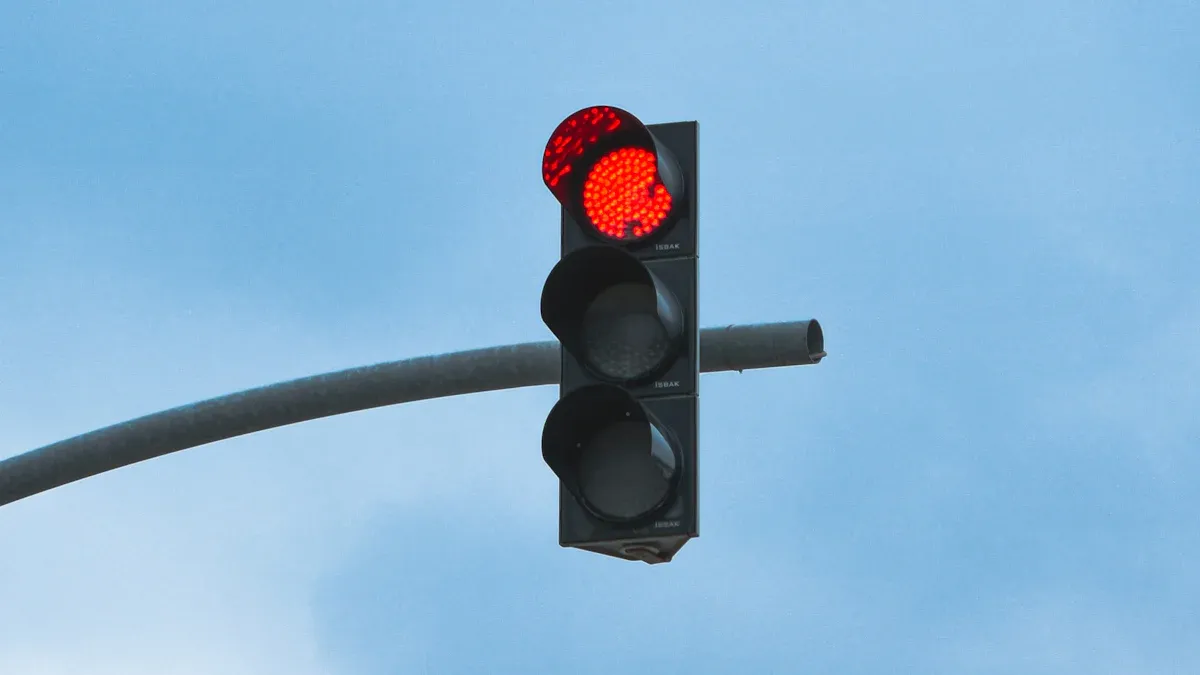
You see traffic signal light bulbs every day, guiding you and others to keep road safety in check. These lights started as gas lamps and now use smart LED systems. Safety matters because clear signals help prevent crashes and confusion. Road safety improves when you trust each signal. Learn how technology, Home, About Us, and Product information all connect to make your streets safer.
Key Takeaways
Traffic signal light bulbs started as gas lamps. Now, they use smart LED systems. This change makes roads safer and helps stop accidents.
LED bulbs can work for more than 50,000 hours. They help cities save money on repairs. They also use less energy than old bulbs.
Smart traffic lights have sensors and AI. These tools help change signals by watching traffic in real time. This means cars wait less and traffic moves better.
It is important to check and fix traffic signals often. This keeps people safe. It also makes sure signals can be seen and work in any weather.
More cities are using adaptive lighting and energy-saving technology. This helps make roads safer. It also helps the environment.
Evolution of Traffic Signal Light Bulbs
From Gas Lamps to Incandescent Bulbs
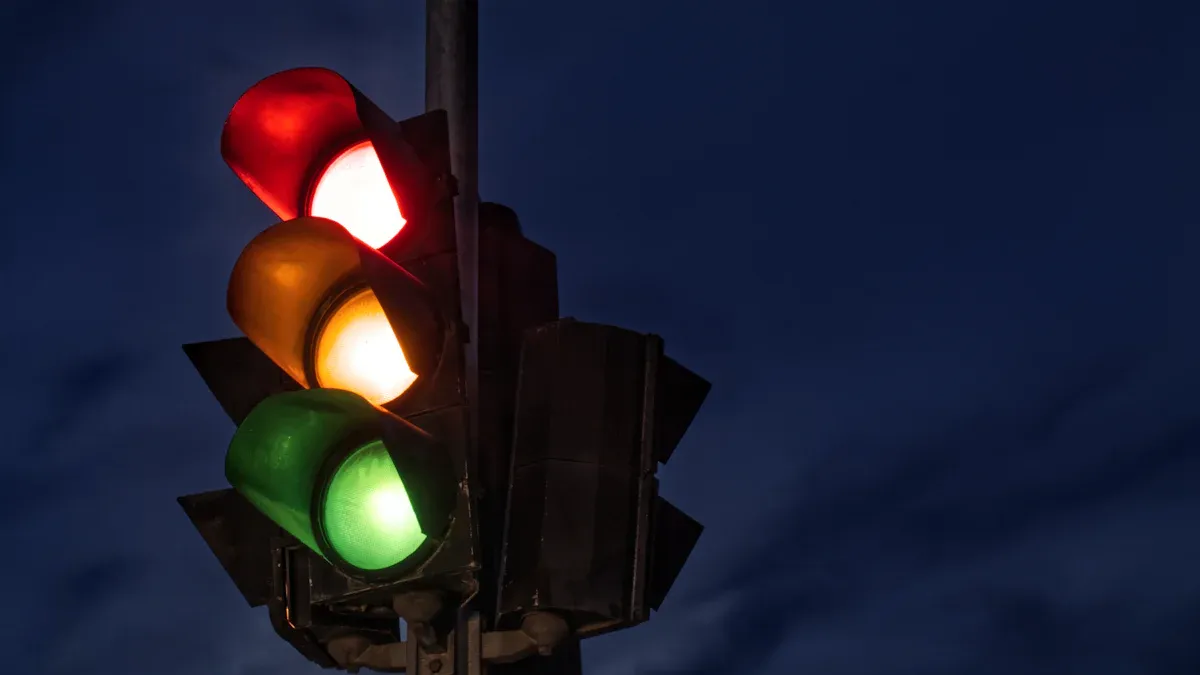
Long ago, traffic signals used gas lamps. These lamps helped control cars at busy streets. Gas lamps did not last very long. In 1869, a gas leak caused an explosion. A policeman got hurt while working the signal. Using gas was risky and needed careful safety steps. Workers checked for leaks and had emergency plans. They fixed the lamps often to keep them safe.
In 1920, William Potts made a new traffic light. It had four sides and three colors. The colors were red, amber, and green. You still see these colors today.
Year | Event Description | Location |
|---|---|---|
1920 | First four-way, three-colored traffic light invented | Detroit, Michigan |
Traffic signal light bulbs are not like regular bulbs. These bulbs must handle shaking, rain, and lots of use. They need to be bright for drivers and people walking. Regular bulbs cannot do this job.
Halogen and Fluorescent Bulbs in Traffic Lights
Halogen and fluorescent bulbs came after incandescent bulbs. Halogen bulbs shine brighter and last longer. Fluorescent bulbs save energy and help people see better. These bulbs made traffic safer. But they still needed fixing often. Bad weather and shaking could break them faster. These bulbs helped lower accidents. Cities kept looking for even better bulbs.
LED Technology and Its Impact
LEDs changed traffic lights a lot. LEDs use solid-state light sources. They last over 50,000 hours. You do not need to change them for many years. You only clean the lens every two years. This saves money and keeps signals working well.
LED bulbs last about ten years.
Incandescent bulbs last just one year.
LED bulbs need almost no fixing.
Incandescent bulbs need changing every year. This stops traffic and costs more.
Switching to LED bulbs saves $50 per signal each year. Fewer trucks and workers block roads for repairs. Traffic moves better and cities save money.
Smart Traffic Lights and AI Integration
Smart traffic lights use new technology. They change signals based on real traffic. Sensors, cameras, and radar collect data. Signals change timing to help cars move faster. You wait less and see less traffic.
Feature | Smart Traffic Lights | Traditional LED Signals |
|---|---|---|
Control | Adaptive, real-time data | Fixed timing |
Energy Efficiency | Reduces energy use by over 80% | Less efficient |
Visibility | High brightness in bad weather | Standard visibility |
Data Collection | Radar/cameras for real-time data | No real-time data |
Signal Adjustment | Adjusts duration based on traffic | Pre-set timings only |
Cities like Singapore, Pittsburgh, and Los Angeles use smart signals. These systems help traffic move faster. Sometimes you wait up to 40% less. AI signals can lower fuel use by 20%. This helps the air and makes roads safer.
Singapore uses AI to manage traffic and keep people safe.
Pittsburgh and Los Angeles have up to 40% shorter waits with smart signals.
Special computer programs help traffic move better at busy streets.
AI signals can cut fuel use by 20%. This lowers pollution and helps the planet.
Traffic signal light bulbs have changed a lot over time. They started as gas lamps and now use smart systems. Each change made roads safer and traffic signals work better.
Safety Standards and Improvements
Regulatory Bodies and Key Standards
Traffic signals help keep roads safe and organized. Many groups make rules for how signals should work. The Institute of Transportation Engineers (ITE) gives advice on how traffic signal light bulbs should perform. The American National Standards Institute (ANSI) sets rules for traffic equipment across the country. The National Electrical Manufacturers Association (NEMA) checks that electrical parts in signals meet tough standards. These groups work together to protect everyone on the road. They care about both car and pedestrian signals. Their rules help cities manage traffic and stop confusion at busy places.
Performance and Visibility Requirements
Traffic signal light bulbs must be bright, strong, and easy to see. You need to see signals in all kinds of weather. Bright lights help drivers and people walking react fast. Strong bulbs last through rain, snow, and shaking from cars. Good visibility is important for safety, especially at night or in fog.
LED technology changed how you see traffic signals. LED bulbs are brighter and use less energy than old bulbs. They last longer, so you see fewer dark signals. LEDs also help cities save money on repairs and bills. But LED signals do not make heat. In snowy weather, snow and ice can cover the lens and block the light. Old bulbs melt snow, but LEDs do not. This can make it hard to see signals and cause accidents. Cities now check signals more often in winter to keep them clear.
Tip: Slow down and look carefully at intersections during snowstorms. Snow can block even the brightest LED signals.
Testing, Certification, and Maintenance
You trust traffic signals to work every day. Regular checks and repairs keep them working well. Safety rules say cities must inspect each flashing light when they put it in and at least once a year. They test lamp voltage when installing and every year after. Cities also look for dirt, damage, and good visibility every month. These steps help stop problems and keep traffic moving.
Inspect each flashing light unit when installed and every year.
Test lamp voltage at installation and every year.
Check for dirt, damage, and visibility every month.
These checks help keep you safe and make sure traffic systems work right.
Safety Improvements with LED Traffic Signal Light Bulbs
LED technology has made traffic signals safer. You see brighter lights that last longer and use less energy. Cities fix signals less often, so you wait less. LED signals help lower accidents because they are easier to see.
Studies show that using LED traffic signal light bulbs lowers crash rates. The table below shows how accidents dropped after using LEDs:
Study Description | Reduction in Crashes | Statistical Significance |
|---|---|---|
DRL-equipped vehicles vs. standard vehicles (1983-84) | 7% fewer daytime multiple-vehicle crashes | Not specified |
Government fleet in Canada | 15% reduction in daytime two-vehicle crashes | Not specified |
Canadian legislation evaluation | 5% reduction in daytime angle and opposing collisions | Statistically significant |
You get these safety benefits every day. LED technology helps cities control traffic better and keeps you safer. Both car and pedestrian signals now use LEDs for better results. Traffic management keeps getting better as more cities upgrade their systems.
The Future of Traffic Light Technology
Intelligent and Adaptive Traffic Signals
Traffic light systems are changing quickly. Smart traffic lights use artificial intelligence to help roads stay safe. These systems use sensors and cameras to collect data. They study how cars move and change signals to stop traffic jams. Machine learning helps give green lights to busy lanes or emergency vehicles. This means you wait less and cross streets more safely. The table below shows new smart technology for traffic signals:
Advancement Type | Key Features | Impact on Traffic Management |
|---|---|---|
Supervised Machine Learning | Priority-based adaptive controls, genetic algorithms | Improved traffic efficiency, reduced delays |
Deep Learning | 2D-CNN vehicle classification | Better real-time decisions |
Reinforcement Learning | IntelliLight, FRAP, PressLight, robust DQN frameworks | 72% less travel time, fewer delays |
Hybrid Approaches | Combines machine learning and reinforcement learning | Scalable, effective solutions |
AI helps cities lower traffic jams.
Smart traffic signals use IoT and machine learning to spot long lines fast.
These new systems make intersections safer and work better.
Trends in Safety and Energy Efficiency
Traffic light systems now focus on safety and saving energy. Adaptive lighting uses sensors to change brightness and timing. Lights get brighter during storms so you can see them. Some manufacturers use recycled materials for led traffic lights. This helps the environment. Energy-saving processes and safe materials lower pollution from led traffic signal solutions. New lamp poles have smart technology and super-efficient led lights. They change brightness in real time. This saves energy and helps traffic lights last longer.
Tip: Cities use special timing to keep traffic moving and stop crashes.
Ongoing Innovations in Traffic Signal Light Bulbs
You get benefits from new traffic light technology. Traffic signal solutions use artificial intelligence and machine learning to handle busy streets. Vehicle-to-Infrastructure communication lets traffic lights send information to drivers. This makes roads safer. Led technology helps lights last longer and use less energy. This is important for crowded cities. Adaptive signal control changes signals based on real-time traffic. This helps cars move better. Hybrid lighting systems use both incandescent and led bulbs for high visibility. These systems fix problems with dim lights and help drivers follow signals. You see safer, brighter, and more reliable traffic lights every day.
You see safer streets because cities use better traffic signal light bulbs and follow important safety rules. LED bulbs last a long time and use less energy. This makes roads work better and keeps them safe. Pedestrian signal solutions help you cross busy streets safely. Cities teach people about traffic safety to lower accidents. Public awareness campaigns help people learn and make roads safer. Pedestrian signal solutions make signals easier to see at night and in bad weather. Smart systems can change signals for emergency vehicles. Pedestrian signal solutions protect you and others every day. Experts say cities should use adaptive controls and real-time checks for the best results.
FAQ
What makes a traffic light different from other lights?
You see a traffic light at intersections. It uses special bulbs and strong lenses. These lights must work in all weather. They help you and others follow transportation rules. Traffic light systems use signals to control traffic and keep everyone safe.
How do traffic light systems know when to change signals?
Sensors and timers help traffic light systems. Some systems use cameras or radar. These tools watch traffic at intersections. The system sends signals to control the flow. You get green, yellow, or red signals based on traffic needs.
Why do cities upgrade to LED traffic light signals?
Cities want safer intersections and better transportation. LED traffic light signals last longer and use less energy. You see brighter signals. These systems need less fixing. Upgrades help cities control traffic and save money.
Who sets the rules for traffic light signals?
Groups like the Institute of Transportation Engineers and the American National Standards Institute set rules. They help cities control traffic at intersections. These organizations make sure transportation systems use safe signals for everyone.
What should you do if a traffic light signal stops working?
You must treat the intersection like a four-way stop. Wait your turn. Watch for other transportation users. Move with care. Report the problem to local transportation systems. This helps keep traffic safe until the signal works again.
See Also
Modern LED Highway Lighting: Enhancing Safety And Efficiency
Trends And Innovations In The Evolution Of LED Street Lights
A Comprehensive Overview Of LED Street Lighting Technology