Understanding the Pros and Cons of Type B and Type A LED Bulbs

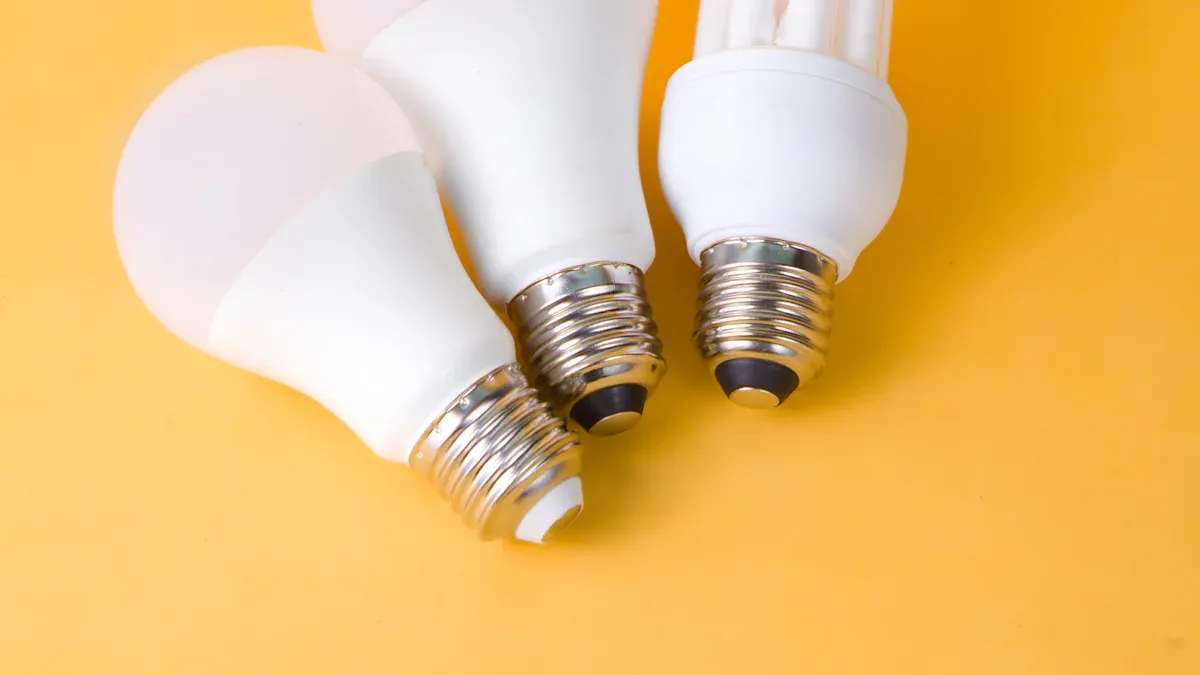
You might ask what makes Type B LED Bulbs different from Type A. Type A bulbs are more popular because you can install them quickly without needing to change any wires. Many people choose these bulbs because they save time and money. However, Type B bulbs require you to wire them directly, which provides better energy savings. But you must be more careful when installing them. Always check your fixture and read the Product details to ensure safety for your Led Light project. To learn more About Us and discover what works best for your Home, visit our website.
Key Takeaways
Type A LED bulbs are simple to put in. They fit most fixtures and you do not need to change wires. Type B LED bulbs save more energy. But you must change the wiring and install them carefully. Type A bulbs are good if you want a fast upgrade. Type B bulbs are better if you want to save energy for a long time. Safety is very important when you put in Type B bulbs. You should think about getting an electrician to help. Make sure your fixture works with the bulb. Follow the steps so you do not make mistakes.
Quick Comparison of Type A and Type B LED Bulbs
Main Differences
There are some big differences between type a led bulbs and type b led bulbs. The table below shows how they are not the same in easy words:
Aspect | Type A LED Bulbs | Type B LED Bulbs |
|---|---|---|
Ballast Compatibility | Works with most existing ballasts; no removal needed | Ballast must be removed or bypassed |
Wiring | No rewiring; plug-and-play | Requires rewiring; direct to mains voltage |
Voltage Requirements | Uses voltage from the ballast | Connects directly to line voltage |
Installation | Simple; no electrical changes | Needs a qualified electrician |
Energy Efficiency | Lower, because ballast uses power | Higher, no ballast losses |
Maintenance | Ballast can still fail | Less maintenance, no ballast to fail |
Socket Requirements | Uses current sockets | May need new non-shunted sockets |
Type a bulbs let you keep your old ballast and sockets. You just put them in and they work. Type b led bulbs need you to take out the ballast and hook up wires right to the power. This gives you better energy savings, but you have to be careful and follow safety rules.
Pros and Cons Overview
Here is a fast look at the good and bad sides for each type. This can help you pick which one is best for you.
Type A LED Bulbs
Pros:
Easy to put in
No need to change wires
Works with most lights
Cons:
Ballast might break later
Not as energy saving
Pros:
Saves more energy
Fewer things to fix
Lasts longer
Cons:
Needs an electrician to put in
More steps to install
Can be unsafe if done wrong
When you look at the good and bad sides, you see type b led bulbs save more energy and need less fixing. You must make sure you put them in the right way. Type a bulbs are good if you want something fast and simple.
Type A LED Bulbs
What Are Type A LED Bulbs?
Type a led bulbs are a special kind of LED light. You can use them in fixtures that already have fluorescent ballasts. These bulbs are sometimes called "plug-and-play" because you do not need to change any wires or parts. You just take out the old fluorescent tube and put in the new LED tube. This makes them easy to use in homes, schools, and offices.
Here is a table that shows how type a led bulbs compare to other types:
Type of LED Tube | Key Feature |
|---|---|
Type A | Works with existing fluorescent ballasts |
Type B | Operates without a fluorescent ballast |
Type C | Requires an external driver |
Type A+B | Can operate with or without a ballast |
How They Work
Type a led bulbs work by using the power from the existing ballast in your light fixture. You do not need to change the wiring. The bulb connects to the same sockets as the old tube. The ballast sends electricity to the bulb, and the bulb lights up. You can install these bulbs quickly because they fit just like the old ones. If the ballast works, the bulb will work too. If the ballast stops working, you need to replace it for the bulb to keep working.
Installation Requirements for Type A LED Bulbs
You need to follow some simple installation requirements when you use type a led bulbs. Here is a step-by-step list to help you:
Gather your tools and check that your bulbs match your fixture.
Turn off the power to the light fixture for safety.
Read the instructions from the bulb’s manufacturer.
Remove the old fluorescent tube.
Put the new LED bulb into the socket and make sure it fits well.
Turn the power back on and test the light.
You do not need to change any wires or remove the ballast. This makes installation fast and safe for most people.
Pros and Cons of Type A
You should know the pros and cons before you choose type a led bulbs. Here is a table that shows the main points:
Pros of LED Bulbs | Cons of LED Bulbs |
|---|---|
Low energy consumption | Higher energy consumption |
Environmentally friendly | Not as environmentally friendly |
Longer lifespan | Shorter lifespan |
Made from polycarbonate, more durable | Made from glass, more prone to breaking |
Higher upfront cost, lower maintenance | Lower upfront cost, higher maintenance |
Available in multiple colors, shapes, etc. | Can only produce a warm, yellow light |
Lower wattage allows more per circuit | Traditional bulb shapes with limited finishes |
Need careful planning to avoid overloads |
Type a led bulbs are easy to install and work with most fixtures. You do not need an electrician. You save time and money. However, you must keep the ballast working. If the ballast fails, the bulb will not work. Some old ballasts may cause problems like flickering or dim lights. Here is another table that shows common issues:
Issue | Description |
|---|---|
Inefficiencies | Using older ballasts can lower energy savings and shorten bulb lifespan. |
Voltage/Current | Old ballasts may not give the right voltage, causing flickering or dim light. |
Points of Failure | Keeping the ballast adds more parts that can break. |
Best Use Cases
You should use type a led bulbs when you want a quick and easy upgrade. These bulbs work best in places where you do not want to change wiring or hire an electrician. You can use them in schools, offices, stores, and homes. If you have many fixtures and want to save time, type a is a good choice. You should check your ballast to make sure it works well with the bulb. If you want the highest energy savings and do not mind more work, you might want to look at type b led bulbs instead.
Tip: Always check the installation requirements before you buy new bulbs. This helps you avoid problems and keeps your lights working safely.
Type B LED Bulbs
What Are Type B LED Bulbs?
Type b led bulbs are a special kind of LED tube that work without a ballast. You must connect these bulbs directly to the power supply. This design makes them different from type a led bulbs, which use the old ballast in your fixture. Type b bulbs need you to change the wiring in your light fixture before you install them. You get better energy savings because the ballast does not use extra power.
Here is a table that shows how type b led bulbs compare to type a led bulbs:
Feature | Type A LED Bulbs | Type B LED Bulbs |
|---|---|---|
Design | Direct replacements for fluorescent tubes | Operate without a ballast, require rewiring |
Installation | Simple plug-and-play, no rewiring needed | Requires rewiring to bypass the ballast |
Energy Efficiency | Less energy-efficient due to ballast consumption | Greater energy savings and longer lifespan |
Ideal Use Case | Quick upgrade without disruption | New installations or when rewiring is feasible |
How They Work
Type b led bulbs connect straight to the line voltage in your building. You must remove the old ballast and wire the bulb directly to the power. The bulb gets electricity from the main supply, so it does not need any extra parts. This setup helps you save more energy because there is no ballast using power. You get a longer bulb lifespan and fewer things that can break.
Installation Requirements for Type B LED Bulbs
You must follow careful steps when you install type b led bulbs. The process is more complex than plug-and-play bulbs. You need to bypass the ballast and wire the fixture for direct power. Here is how you do it:
Turn off the power at the breaker panel and make sure the fixture is safe to work on.
Remove the old fluorescent tubes and take off the ballast cover.
Disconnect the wires from the ballast and take the ballast out.
Connect the line voltage wires directly to the lamp holder pins. Make sure the connections are tight and secure.
Put the ballast cover back on and install the new LED tubes. Turn the power back on and test the lights.
Tip: Always use the right wire size and connectors. Insulate all connections well. Label the fixture to show that you have bypassed the ballast.
You must follow safety rules during installation. Make sure the power is off before you start. Use proper tools and check your work. If you are not sure, ask a qualified electrician for help.
Pros and Cons of Type B LED Bulbs
You should know the pros and cons before you choose type b led bulbs. These bulbs give you strong energy savings and last longer. You do not need to worry about the ballast breaking. You get fewer maintenance problems. However, you must handle the wiring with care. The installation is harder and can be risky if you do not follow safety steps.
Here is a list of the main pros and cons:
Pros:
You get better energy savings because there is no ballast.
The bulbs last longer and need less fixing.
You do not need to replace ballasts in the future.
Cons:
You must rewire the fixture, which takes more time.
The installation can be unsafe if you do not follow the right steps.
You may need to change the sockets for some fixtures.
Note: Direct wiring can cause electric shock if you touch live wires during installation. There is no standard wiring for all fixtures, so mistakes can happen. If you put a fluorescent lamp in a fixture that has been rewired for type b, it can be dangerous.
Best Use Cases
Type b led bulbs work best in places where you want strong energy savings and do not mind rewiring. You see these bulbs in offices, retail stores, and warehouses. They give bright light and last a long time. You do not need to fix them often, which helps in large spaces.
Here is a table that shows common use cases:
Use Case | Description |
|---|---|
Offices | Type b led bulbs are used for general lighting in office spaces, providing efficient illumination. |
Retail Stores | These bulbs enhance product visibility and create a welcoming atmosphere in retail environments. |
Warehouses | Their long lifespan and low maintenance make them ideal for large spaces requiring consistent lighting. |
You should pick type b if you want the best energy savings and do not mind a more complex installation. These bulbs are good for new buildings or when you plan to upgrade many fixtures at once. Always think about safety and make sure you follow the right steps.
Head-to-Head Comparison
Performance and Efficiency
You want your lighting to work well and save power. Type A LED bulbs use the old ballast, so they do not reach the highest energy efficiency. The ballast uses extra electricity, which lowers your savings. Type B LED bulbs connect straight to the power supply. This setup gives you better energy efficiency because no power gets wasted in the ballast. You will notice brighter light and lower bills. If you want the most energy efficient option, direct wiring with type B LED bulbs is the best choice.
Safety and Risks
Safety matters when you change your lights. Type A LED bulbs are safer for most people because you do not touch the wires. You just swap the bulbs. Type B LED bulbs need you to rewire the fixture. You must turn off the power and follow each step carefully. If you skip a step, you risk electric shock. Always ask a licensed electrician for help if you feel unsure. Remember, proper installation keeps you and your home safe.
Tip: Always check the instructions before you start. Safety first!
Cost Considerations
You want to save money, but you also want good lighting. Type A LED bulbs cost less to install because you do not need an electrician. You just buy the bulbs and put them in. Type B LED bulbs cost more at first because you pay for rewiring and sometimes new sockets. Over time, type B LED bulbs save you more money because they use less power and last longer. You spend less on repairs and replacements.
Fixture Compatibility
Choosing the right bulb means checking your fixtures. Type A LED bulbs fit in most traditional lamps, like CFL and linear fluorescent fixtures. You do not need to change the wiring. Type B LED bulbs need fixtures that can be rewired to supply line voltage. You can find them in SEP, DEP, or Universal configurations. Here is a table to help you see the difference:
LED Type | Notes | |
|---|---|---|
Type A | Traditional lamps (CFL, Linear fluorescent) | No rewiring needed |
Type B | Requires rewiring to supply line voltage | Available in SEP, DEP, or Universal configurations |
Note: Always check your fixture before you buy new bulbs. This step helps you avoid problems and keeps your lighting project safe.
Choosing Between Type A and Type B
Key Factors to Consider
You need to think about several things before you pick your LED bulbs. Start by looking at your fixture. If your fixture has a working ballast, you can use Type A bulbs for a quick upgrade. If you want better energy savings and do not mind rewiring, type b led bulbs might be the right choice. Safety matters, so check if you feel comfortable with electrical work. You should also look at your budget. Type A bulbs cost less to install, but Type B bulbs save more money over time. Ask yourself how much time you want to spend on installation and maintenance.
Tip: Always read the product instructions before you buy or install any LED bulb.
Decision Checklist
Use this checklist to help you decide which bulb fits your needs:
Check your fixture for a working ballast.
Decide if you want a fast installation or long-term savings.
Think about your skill level with electrical work.
Set your budget for bulbs and installation.
Review the manufacturer’s instructions for each bulb type.
Ask yourself when to choose a professional for installation.
If you answer these questions, you will find the best option for your space.
Common Mistakes to Avoid
Many people make mistakes when they switch to LED bulbs. You can avoid problems if you know what to watch for. Here is a table that shows the most common mistakes and how they affect your lighting project:
Mistake | Description |
|---|---|
Compatibility Check | Failing to check if the ballast works with type A tubes can lead to flickering or humming. |
Wiring Issues | Incorrect rewiring for type B bulbs can cause sparks or fires. |
Following Instructions | Not adhering to manufacturer instructions can compromise safety and insurance coverage. |
You should always check your fixture and follow the instructions. If you skip these steps, you risk safety and waste money. Take your time and double-check your work.
You can find the main differences between type a and type B LED bulbs in this table:
Type of LED | Pros | Cons |
|---|---|---|
Type A | Easy to put in, works with many fixtures | Needs more fixing, uses more power |
Type B | Saves more power, needs less fixing | Harder to install, costs more at first |
If you want a fast change, pick type a led bulbs. If you want to save more energy, pick type B. Always remember these safety rules: Keep your work area clean and away from kids. Check your lights for damage or if they get too hot. Do not cover the LED lens or pull on wires.
For the best results, ask an electrician to help with rewiring. Put your lights in the right spot. Good installation makes your bulbs last longer.
FAQ
What happens if you install a Type B LED bulb without removing the ballast?
You risk damaging the bulb or causing a safety hazard. Type B bulbs need direct wiring. Always remove the ballast before you install a Type B LED bulb.
Can you use Type A LED bulbs in any fixture?
You can use Type A bulbs in most fixtures with a compatible ballast. Always check the bulb and ballast compatibility before you install. Some older ballasts may not work well with new LED bulbs.
Do Type B LED bulbs save more energy than Type A?
Yes, Type B bulbs save more energy. They connect directly to the power source and do not use a ballast. This setup reduces wasted electricity and lowers your energy bills.
Is it safe to install Type B LED bulbs yourself?
You should ask a licensed electrician for help. Installing Type B bulbs requires rewiring. Mistakes can cause electric shock or fire. Safety comes first.
How do you know which LED bulb type you need?
Check your fixture and read the product label. If you want easy installation, choose Type A. If you want more energy savings and can rewire, choose Type B. Always follow the manufacturer’s instructions.
See Also
How to Choose Ideal LED Bulbs for Various Fixtures
Exploring GE LED Bulbs: Advantages and Choosing Guidelines
Your Comprehensive Guide to LED Bulbs and Their Advantages
Understanding LED Bulbs: Features, Advantages, and Selection Advice